- Article
- Source: Campus Sanofi
- Aug 8, 2025
ITP and Platelet Counts
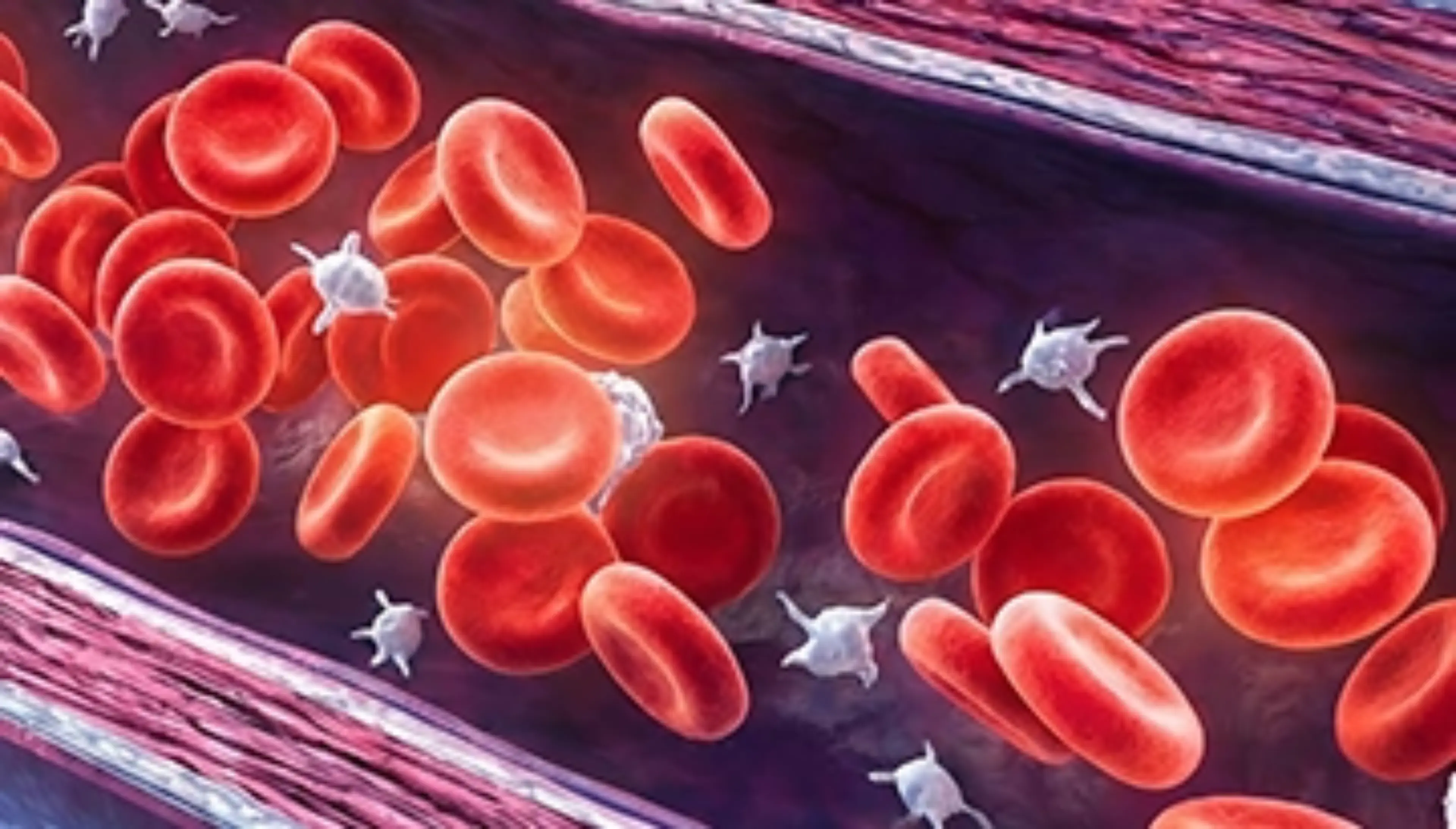
Thrombocytopenia, defined as low platelet count in the blood, is a disorder with different possible causes that increases bleeding risk in affected individuals. Immune thrombocytopenia (ITP), previously known as idiopathic thrombocytopenic purpura, is one such type of thrombocytopenia now known to be caused by complex immune dysregulation.1,2
Autoantibodies against platelet antigens in ITP contribute to low platelet counts, impaired production, and reduced platelet survival rates.2 While platelet counts are used to diagnose and grade the severity of the condition, management of immune thrombocytopenia goes beyond increasing platelet levels. Other factors such as the patient’s quality of life and potential treatment toxicities also need to be taken into account.1,3
How does ITP affect platelet function?
Currently, ITP remains a diagnosis of exclusion of other possible causes of thrombocytopenia. The pathophysiology of ITP involves complex immune dysregulation that is heterogeneous and varies from patient to patient.3 Studies show that the bodies of people with ITP produce antibodies against platelet glycoproteins. This leads to platelet destruction and impaired platelet production.2
The low platelet levels in ITP patients are associated with symptoms such as petechiae, purpura, and an increased risk of bleeding events.2 Immune thrombocytopenia is also associated with enlarged platelets.4,5
Platelet count and ITP severity
ITP is typically diagnosed at platelet levels of less than 100x109 platelets per litre of blood, when all other causes of thrombocytopenia have been excluded as part of a differential diagnosis.2,3
Platelet count range for immune thrombocytopenia6-8

While platelet thresholds are used to guide management decisions, they are not the sole measure to determine the management strategy for immune thrombocytopenia. Other factors, such as symptoms and prior response to treatment, are also taken into account.1,3
Platelet levels are often used to evaluate risk of bleeding1:
- Platelet count above 50x109 per litre of blood: generally asymptomatic
- Platelet counts between 20 and 50x109 per litre of blood: mild skin manifestations such as petechiae, purpura, or ecchymosis
- Platelet counts of less than 10x109 per litre of blood: high risk of serious bleeding
Platelet count vs platelet function in ITP
Platelet levels are used to assess bleeding risk and severity; however, they do not define the risk of bleeding in isolation.1,3 It is possible for two people with similar low platelet counts to have differing bleeding symptoms.9
A study recently showed that platelet biomarkers are associated with bleeding severity, independent of platelet counts. Platelet activation and function are being researched as factors that can affect predisposition to bleeding in ITP.9
ITP management: thinking beyond low platelet count
Maintaining platelet counts at levels high enough to minimise chances of bleeding is a primary goal of ITP management, but it is not the only goal.10
Factors such as the patient’s quality of life and balancing treatment toxicity with risk of bleeding are also involved in selecting an effective management strategy. For instance, guidelines recommend keeping asymptomatic patients under observation, even if they have low platelet counts.10
Due to the heterogeneity of immune thrombocytopenia, it is important to develop individualised treatment plans for patients depending on their particular risk factors. Platelets are only one factor in this decision-making process.11
References
1. Gauer RL, Whitaker DJ. Thrombocytopenia: Evaluation and management. Am Fam Physician. 2022;106(3):288-298. https://www.aafp.org/pubs/afp/issues/2022/0900/thrombocytopenia.html 2. McCrae K. Immune thrombocytopenia: no longer “idiopathic.” Cleve Clin J Med. 2011;78(6):358-373. 3. Neunert C, Terrell DR, Arnold DM, et al. American Society of Hematology 2019 guidelines for immune thrombocytopenia. Blood Adv. 2019;3(23):3829-3866. 4. Handtke S, Thiele T. Large and small platelets—(When) do they differ? J Thromb Haemost. 2020;18(6):1256-1267. 5. Gauer RL, Braun MM. Thrombocytopenia. Am Fam Physician. 2012;85(6):612-622. https://www.aafp.org/pubs/afp/issues/2012/0315/p612.html 6. Rovó A, Cantoni N, Samii K, et al. Real-world impact of primary immune thrombocytopenia and treatment with thrombopoietin receptor agonists on quality of life based on patient-reported experience: results from a questionnaire conducted in Switzerland, Austria, and Belgium. PLoS One. 2022;17(4):e0267342. 7. Cooper N, Ghanima W. Immune thrombocytopenia. N Engl J Med. 2019;381(10):945-955. 8. Arnold DM, Cuker A. Diagnostic approach to thrombocytopenia in adults. In: Leung LKL, ed. UpToDate. Wolters Kluwer. Updated March 13, 2023. Accessed June 11, 2023. https://www.uptodate.com/contents/diagnostic-approach-to-thrombocytopenia-in-adults 9. Frelinger AL III, Grace RF, Gerrits AJ, et al. Platelet function tests, independent of platelet count, are associated with bleeding severity in ITP. Blood. 2015;126(7):873-879. 10. Mititelu A, Onisâi MC, Roșca A, Vlădăreanu AM. Current understanding of immune thrombocytopenia: a review of pathogenesis and treatment options. Int J Mol Sci. 2024;25(4):2163. 11. Madkhali MA. Recent advances in the management of immune thrombocytopenic purpura (ITP): a comprehensive review. Medicine (Baltimore). 2024;103(3):e36936.
MAT-GLB-2500852-v2.0-05/2026