- Article
- Source: Campus Sanofi
- Jun 22, 2026
Latest guideline updates in autoimmune T1D screening and monitoring

Key Takeaways
Why new type 1 diabetes guideline matter: Overcoming screening barriers
T1D management is undergoing a major shift.5 The condition often presents with life-threatening complications such as diabetic ketoacidosis (DKA) and has a profound impact on morbidity and longevity.4 To address this, the focus is moving toward early detection and presymptomatic intervention, enabling a more predictive approach to autoimmune T1D.5
Evidence shows that screening programs with long-term follow-up are associated with lower rates of DKA at diagnosis, improved short-term clinical outcomes, and reduced family/caregiver psychological burden.1 Early screening also allows families time to prepare, supports smoother transitions at diagnosis, and opens opportunities for clinical trial enrollment and access to therapies aimed at delaying progression if children are detected with multiple IAb.2,6,7
However, updated guidance and protocols are needed to fully integrate screening into routine practice.8 This article focuses on recent guideline updates in screening and monitoring, with the aim of addressing and overcoming key barriers to screening adoption.
2024-2026 T1D guideline updates: Key changes for HCPs
The recent updates from ISPAD, ADA, and International Consensus Report provide a comprehensive set of clinical recommendations for children, adolescents, and adults living with diabetes worldwide.1-3
ISPAD 2024 guidelines: New T1D screening and monitoring recommendations
Staging of autoimmune T1D
ISPAD introduces sub-stages for stage 2 and 3 and a stage 4 for long-standing autoimmune T1D.1
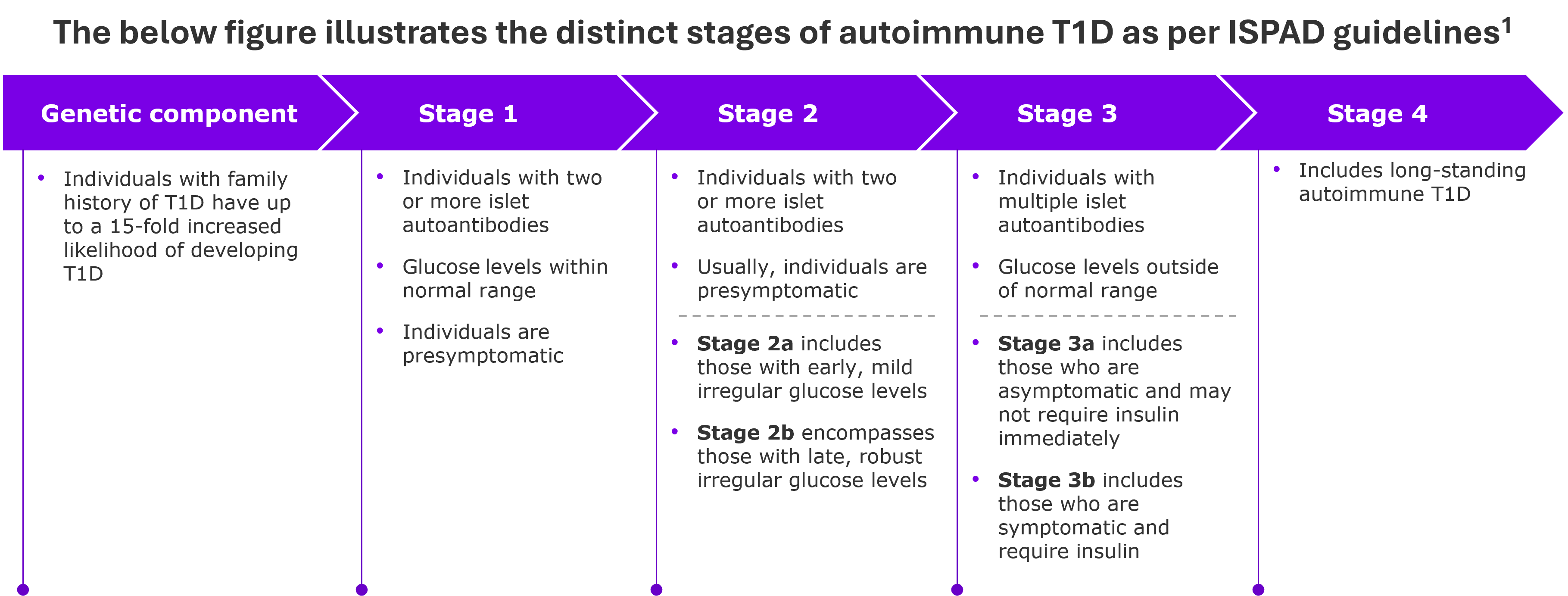
Who should be screened?
ISPAD supports general population screening to identify children and young adults with, or at increased likelihood of developing autoimmune T1D, using IAb or combined genetic and IAb approaches.1 ISPAD also recommends screening in children with a genetic component that increases their likelihood of autoimmune T1D.1
Screening modality
Guideline currently recommends two strategies for autoimmune T1D screening:1
- IAb screening in children with increased likelihood of autoimmune T1D (family history)
- IAb screening in the general population
IAb screening is done to detect antibodies against insulin, glutamic acid decarboxylase (GAD), insulinoma-associated protein 2 (IA-2), and zinc transporter 8 (ZnT8).1
Guideline recommendations for monitoring
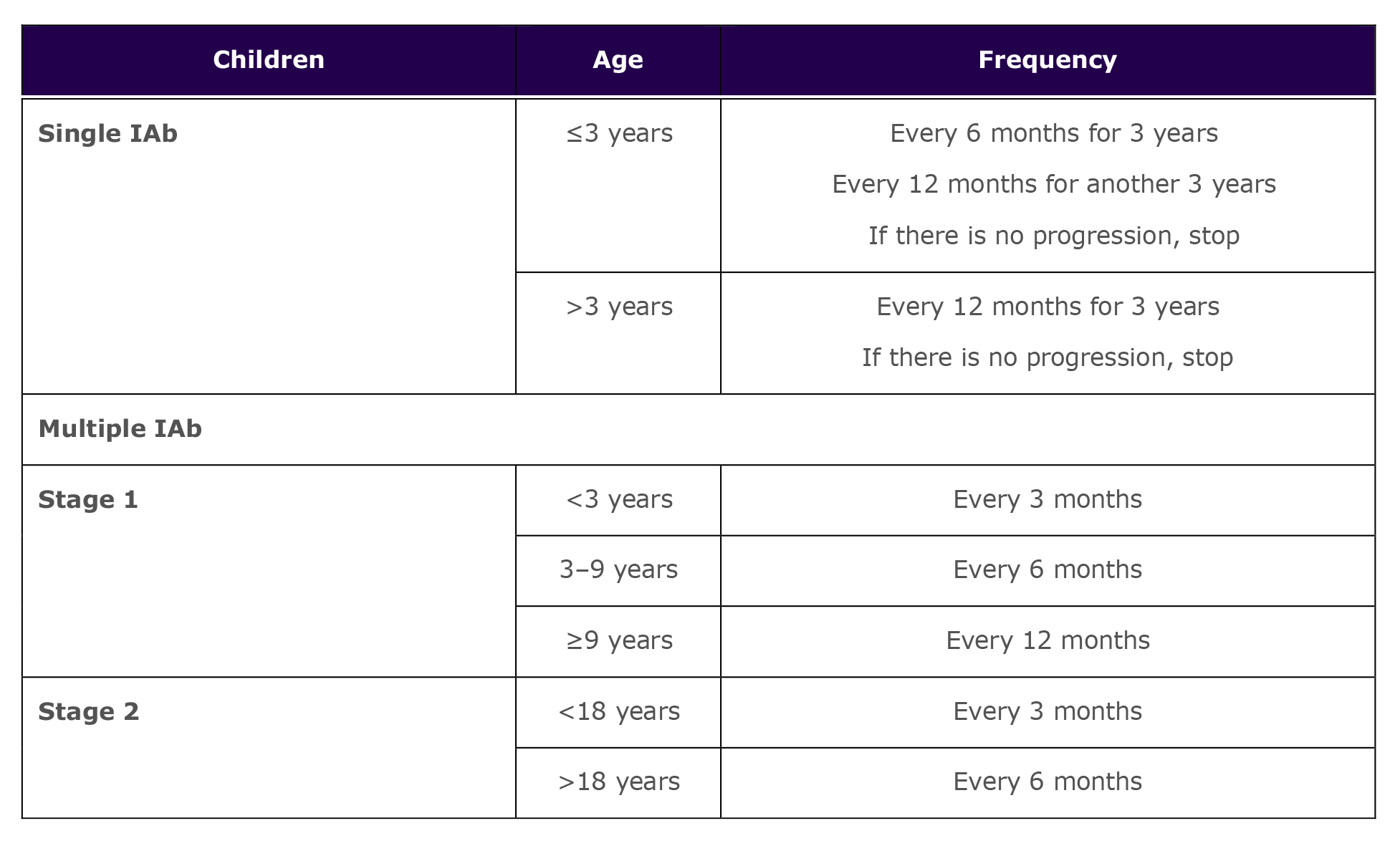
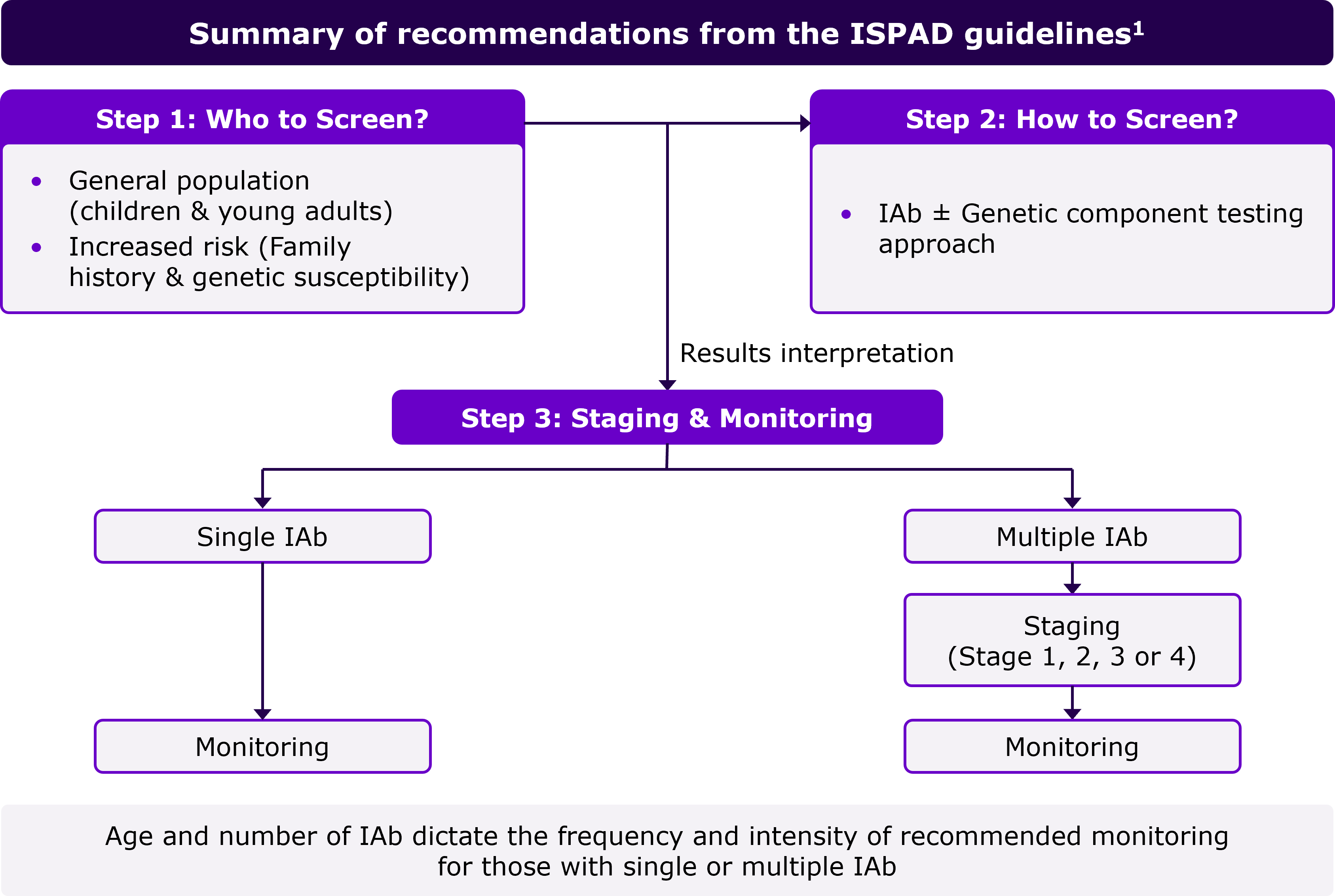
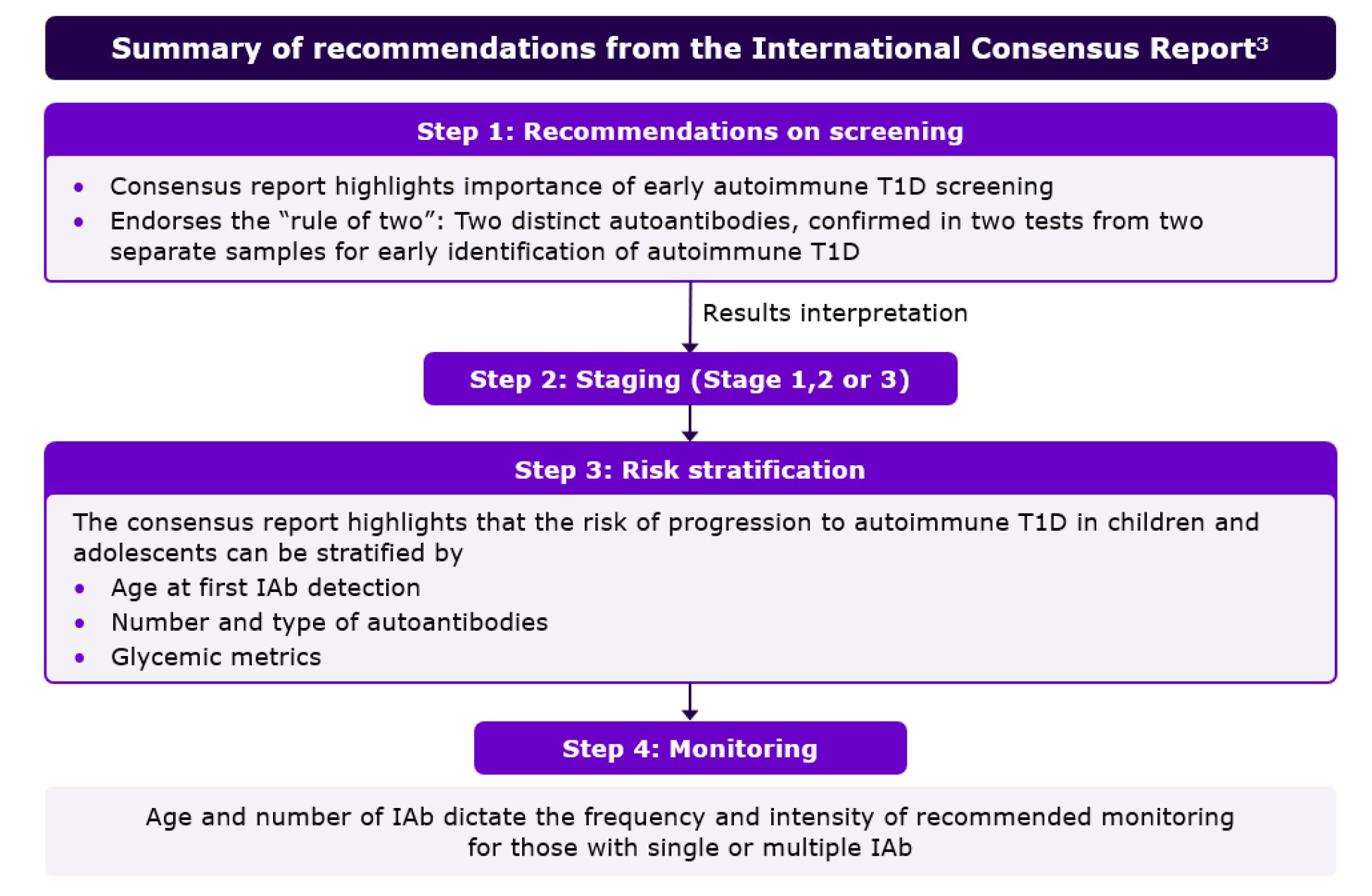
Age and number of IAb dictate the frequency and intensity of recommended monitoring for those with single or multiple IAb.1
ISPAD recommendations on monitoring children with autoimmune T1D1
ADA 2026 guidelines: What's new in autoimmune T1D screening and staging
Staging of autoimmune T1D
The ADA guidelines incorporate glycated hemoglobin (HbA1c) criteria (5.7–6.4% [39–47 mmol/mol] or a ≥10% increase in HbA1c) as part of the diagnostic framework for irregular glucose levels in stage 2.2
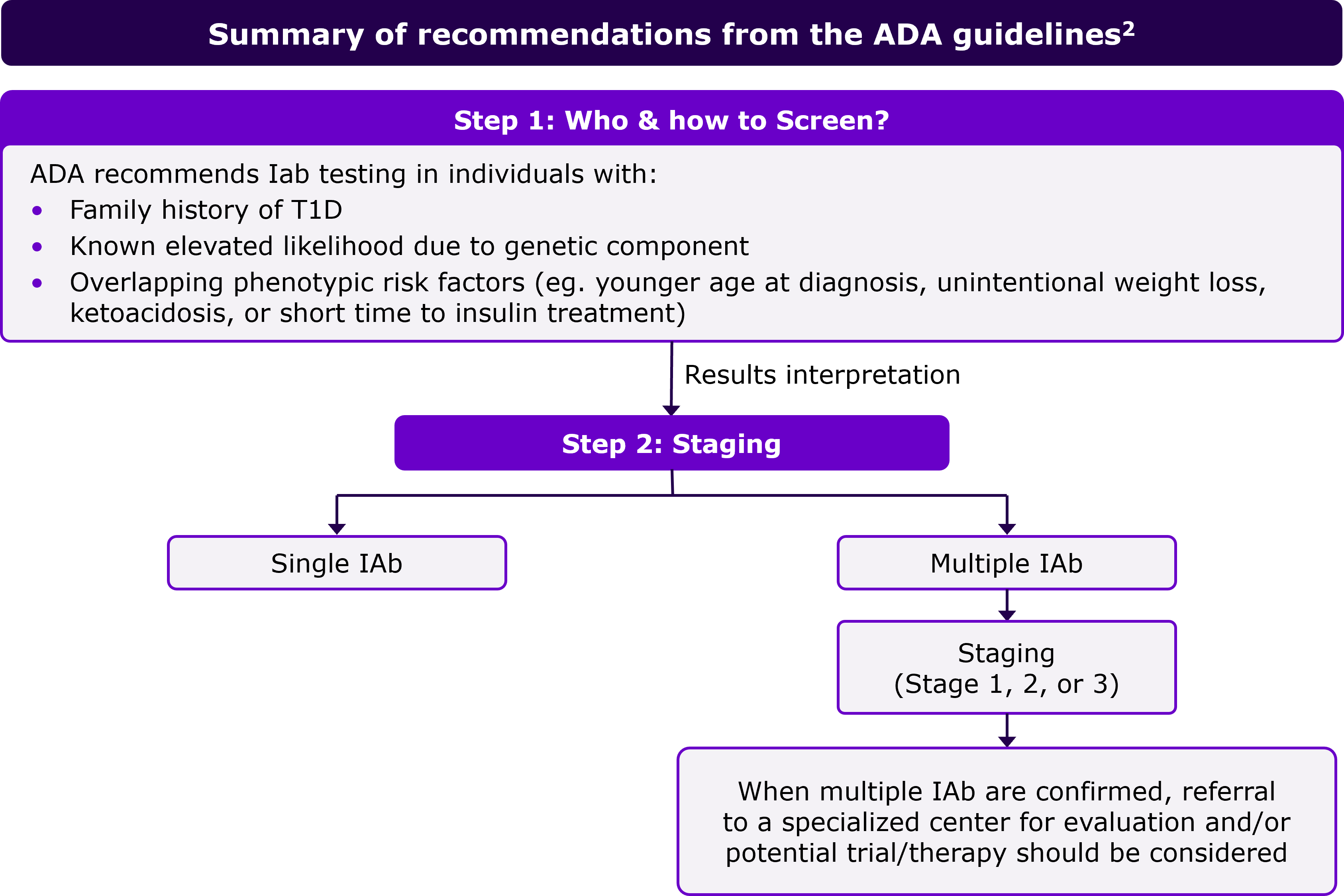
Recommendations on screening2
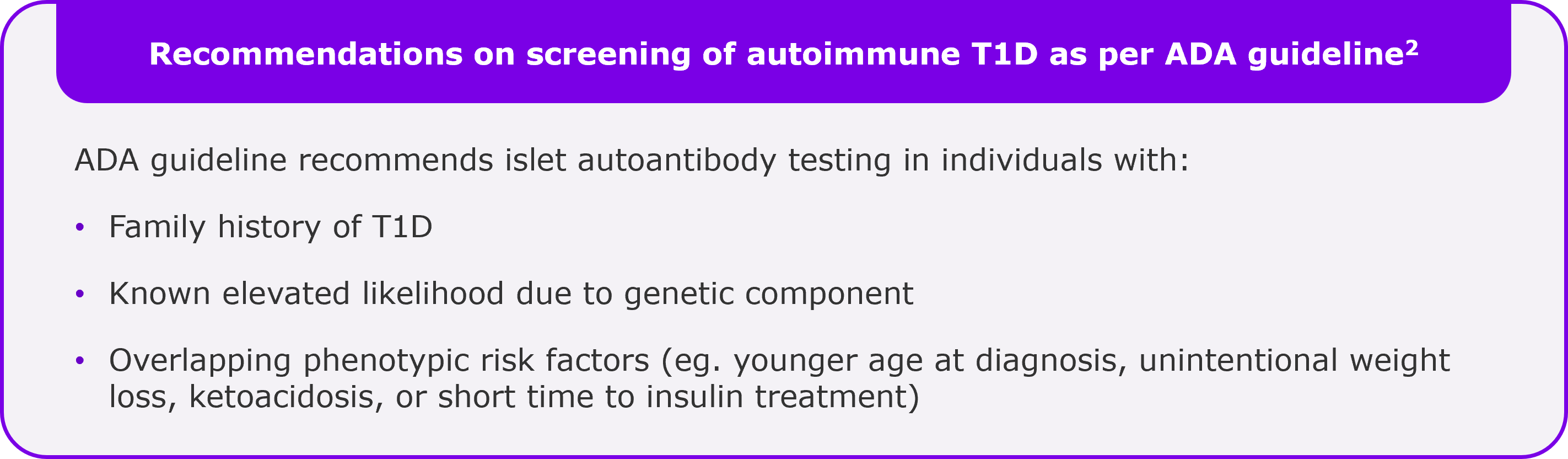
When multiple IAb are confirmed, referral to a specialized center for evaluation and/or potential trial/therapy should be considered.2
Key updates on screening and monitoring from International Consensus Report 2024
Staging of autoimmune T1D
In addition to the core stages (stage 1-3), the International Consensus Report introduces a pre-stage 1 autoimmune T1D (this stage indicates individuals who are with higher chance of developing autoimmune T1D).3
Recommendations on screening of autoimmune T1D
- Highlights early T1D screening to reduce DKA and allow access to progression-delaying therapies3
- Notes that widespread screening identifies individuals who are at higher chance of or living with early-stage autoimmune T1D needing ongoing monitoring3
Confirmation of multiple IAb status
‘The rule of twos’ and IAb persistence3
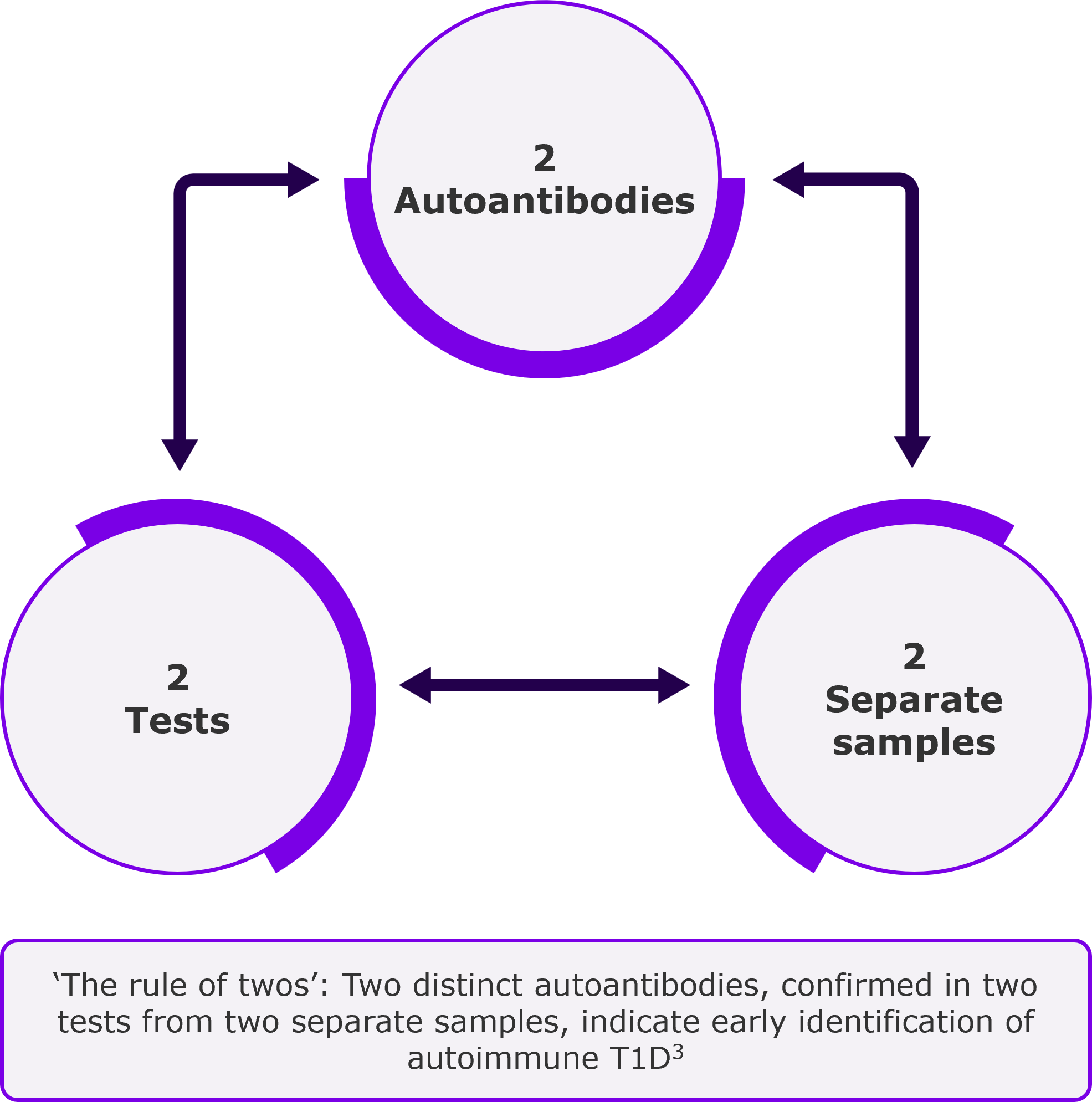
The ‘rule of twos’, endorsed by International Consensus Report, guides early autoimmune T1D identification by requiring persistent positivity for two distinct autoantibodies, confirmed in two tests with two separate samples, to reliably indicate early autoimmune activity.3
Predicting progression to stage 3 autoimmune T1D in individuals with diabetes-related autoantibodies is challenging. In children and adolescents, persistent positivity for multiple IAb confirms early-stage (stage 1 or 2) and indicates a higher chance of progression compared to single IAb status; therefore, confirmation of multiple IAb should follow the “rule of twos.”3
Risk stratification
The risk of progression to autoimmune T1D in children and adolescents can be stratified based on several factors.3
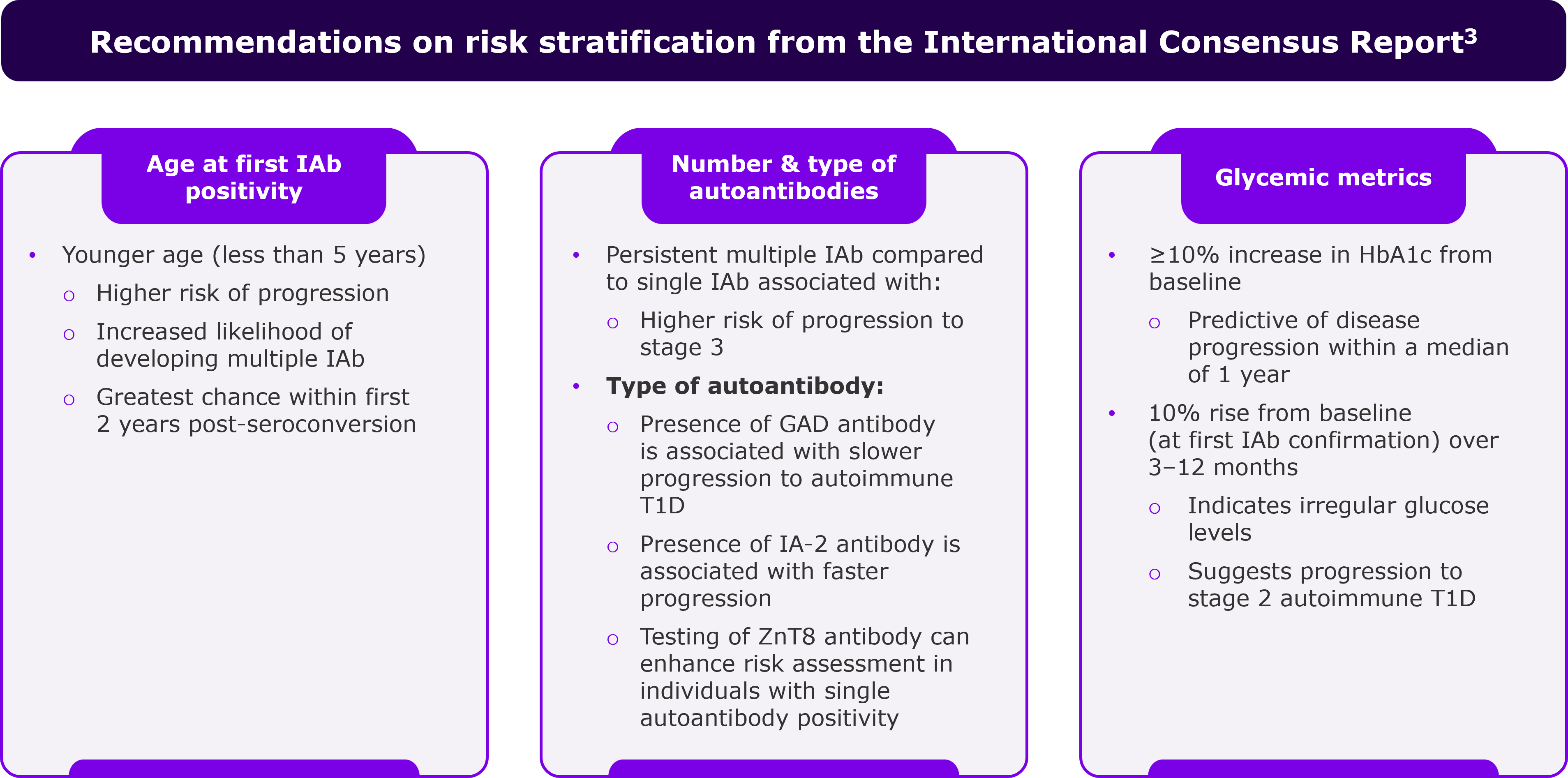
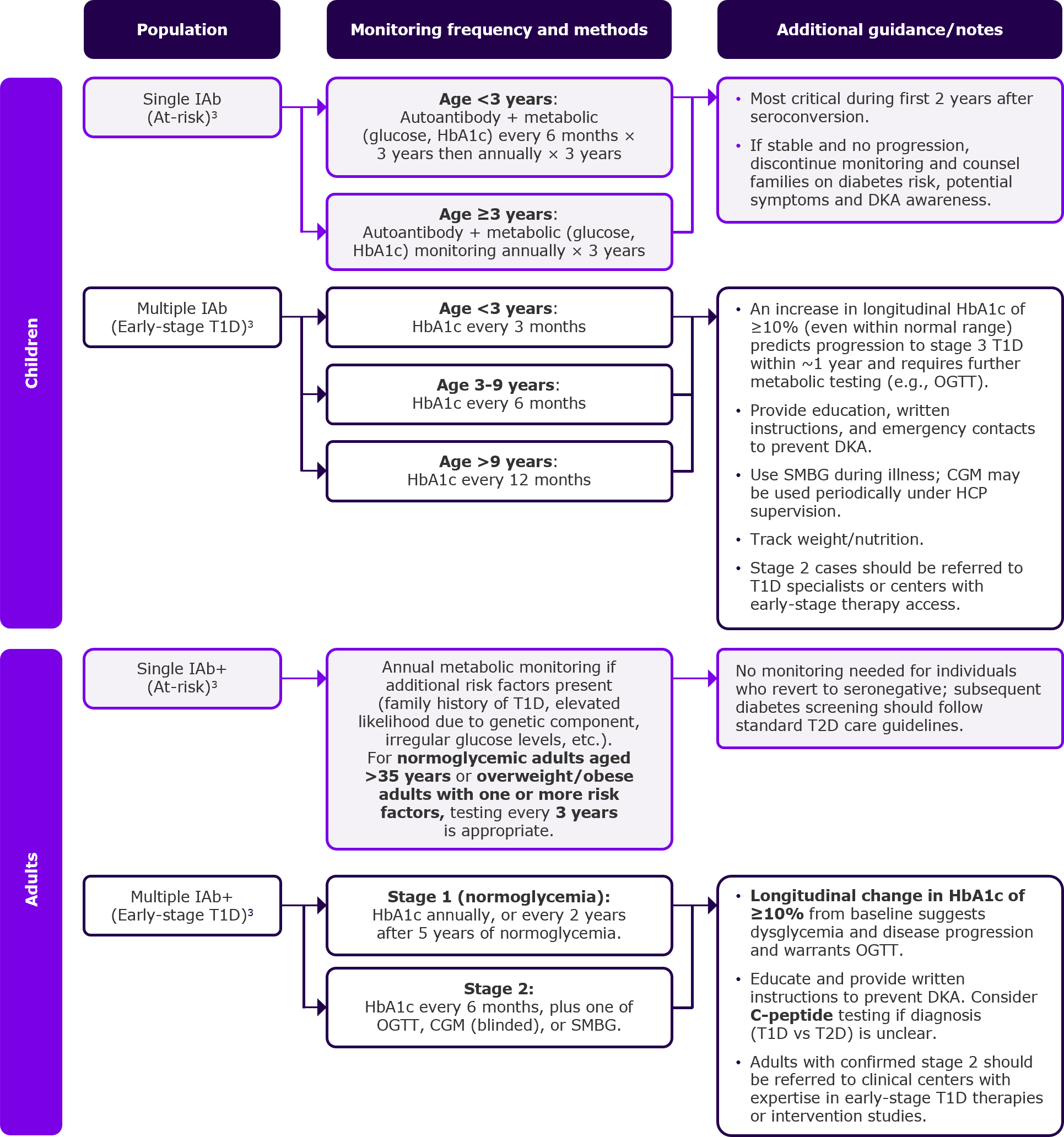
Autoimmune type 1 diabetes monitoring guideline recommendations as per International Consensus Report
International Consensus Report recommendations on monitoring3
Summary of recommendations
Conclusion
Early detection of autoimmune T1D opens a window for presymptomatic intervention and reduces life-threatening complications and hospitalizations.1,5 Recent updates from ISPAD, ADA, and the International Consensus Report overcome barriers to screening by providing clearer recommendations on staging, screening criteria, and monitoring, supporting general population screening, confirmation of autoimmune T1D using the “rule of twos,” and age- and stage-based monitoring to enable timely intervention and research participation.1-3
References
- Haller MJ, Bell KJ, Besser REJ, Casteels K, Couper JJ, Craig ME, et al. ISPAD clinical practice consensus guidelines 2024: Screening, staging, and strategies to preserve beta-cell function in children and adolescents with type 1 diabetes. Horm Res Paediatr. 2024;97(6):529–545. doi: 10.1159/000543035. PMID: 39662065.
- American Diabetes Association Professional Practice Committee for Diabetes. 2. Diagnosis and Classification of Diabetes: Standards of Care in Diabetes-2026. Diabetes Care. 2026;49(Suppl 1):S27–S49. doi: https://doi.org/10.2337/dc26-S002.
- Phillip M, Achenbach P, Addala A, Albanese-O'Neill A, Battelino T, Bell KJ, et al. Consensus guidance for monitoring individuals with islet AAB-positive pre-stage 3 type 1 diabetes. Diabetes Care. 2024;47(8):1276–1298. doi: 10.2337/dci24-0042.
- Sims EK, Besser REJ, Dayan C, Geno Rasmussen C, Greenbaum C, Griffin KJ, et al. NIDDK type 1 diabetes TrialNet study Group. Screening for type 1 diabetes in the general population: A status report and perspective. Diabetes. 2022;71(4):610–623. doi: 10.2337/dbi20-0054. PMID: 35316839.
- Cavalli E, Nicoletti GRP, Nicoletti F. A historical and epistemological review of type 1 diabetes mellitus. J Clin Med. 2025;14(14):4923. doi: 10.3390/jcm14144923. PMID: 40725617.
- Simmons KM, Sims EK. Screening and prevention of type 1 diabetes: Where are we? J Clin Endocrinol Metab. 2023;108(12):3067–3079. doi: 10.1210/clinem/dgad328. PMID: 37290044.
- Insel RA, Dunne JL, Atkinson MA, Chiang JL, Dabelea D, Gottlieb PA, et al. Staging presymptomatic type 1 diabetes: A scientific statement of JDRF, the Endocrine Society, and the American Diabetes Association. Diabetes Care. 2015;38(10):1964–1974. doi: 10.2337/dc15-1419. PMID: 26404926.
- Leichter SB, Felton JL, Geno Rasmussen C, Rizzuto P, Bellini N, Ebekozien O, et al. Establishing Screening Programs for Presymptomatic Type 1 Diabetes: Practical Guidance for Diabetes Care Providers. J Clin Endocrinol Metab. 2025;110(8):2371–2382. doi: 10.1210/clinem/dgaf194. PMID: 40171881.
MAT-GLB-2507092-2.0-08/2026