- Article
- Source: Campus Sanofi
- Jun 22, 2026
Genetic Risk for Autoimmune Type 1 Diabetes: Why Screening Should Extend Beyond First-Degree Relatives

Key Takeaways
Understanding the genetic architecture of autoimmune T1D
Autoimmune T1D is a progressive condition in which the immune system systematically destroys insulin-producing beta cells in the pancreas.2,11
This destruction occurs through distinct stages, beginning with genetic predisposition and environmental triggers, progressing to presymptomatic autoantibody development, and culminating in clinical symptoms requiring insulin therapy.2,12
Stages of autoimmune T1D2,12
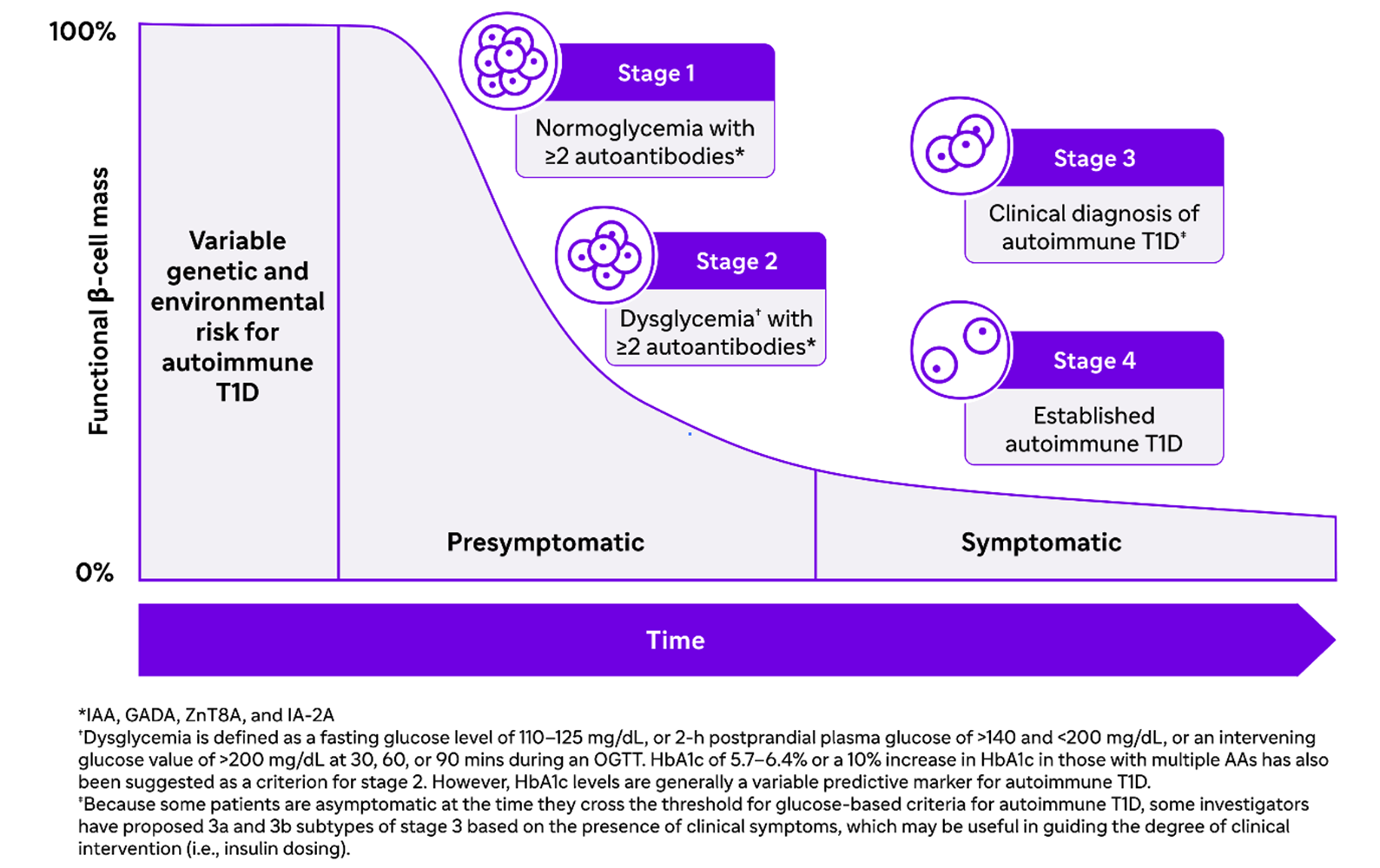
The genetic component of autoimmune T1D risk has been well-established, with human leukocyte antigen (HLA) markers serving as primary indicators of susceptibility.2
However, the traditional focus on first-degree relatives of patients with autoimmune T1D (parents, siblings, and children) may inadvertently overlook second-degree relatives at elevated risk.2,5
Risk in first-degree relatives: Well-established but incomplete
First-degree relatives of patients with autoimmune T1D face an 8-15-fold higher risk of disease compared with the general population.1,2
Risk of T1D in children of parents with autoimmune T1D3
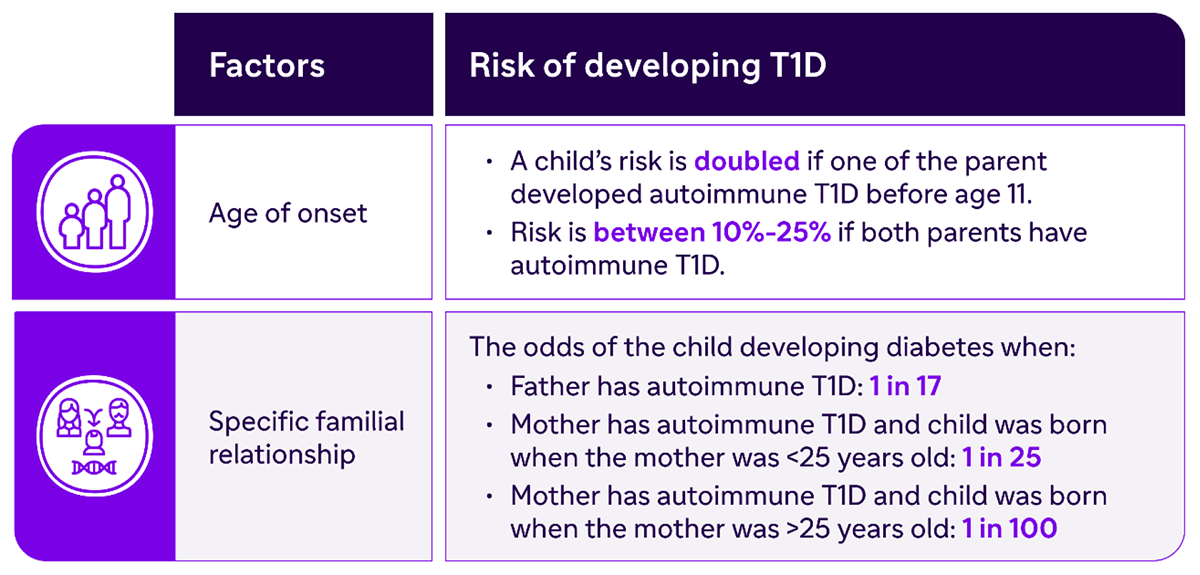
Despite this well-established familial correlation, approximately 90% of new autoimmune T1D diagnoses occur in individuals with no known family history.2

Second-degree relatives: An underrecognized high-risk population
Second-degree relatives of patients with autoimmune T1D face a 2-fold higher risk of disease compared with the general population.5

This expanded risk profile reflects the complex genetic nature of autoimmune T1D susceptibility, and assessing family history beyond immediate relatives provides valuable information for risk assessment.1,5,11
Clinical rationale for expanded screening
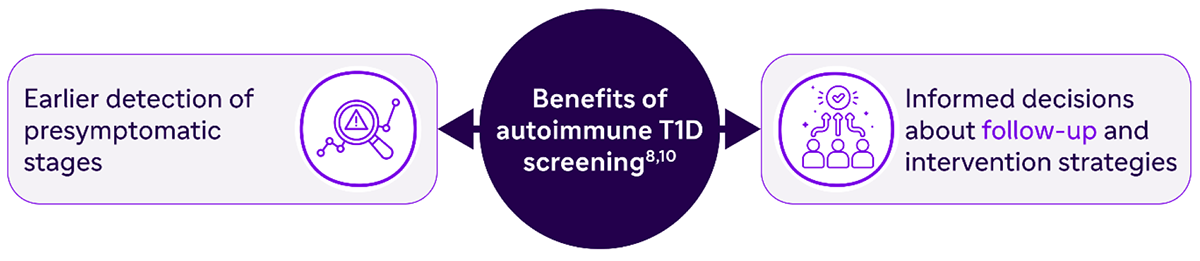
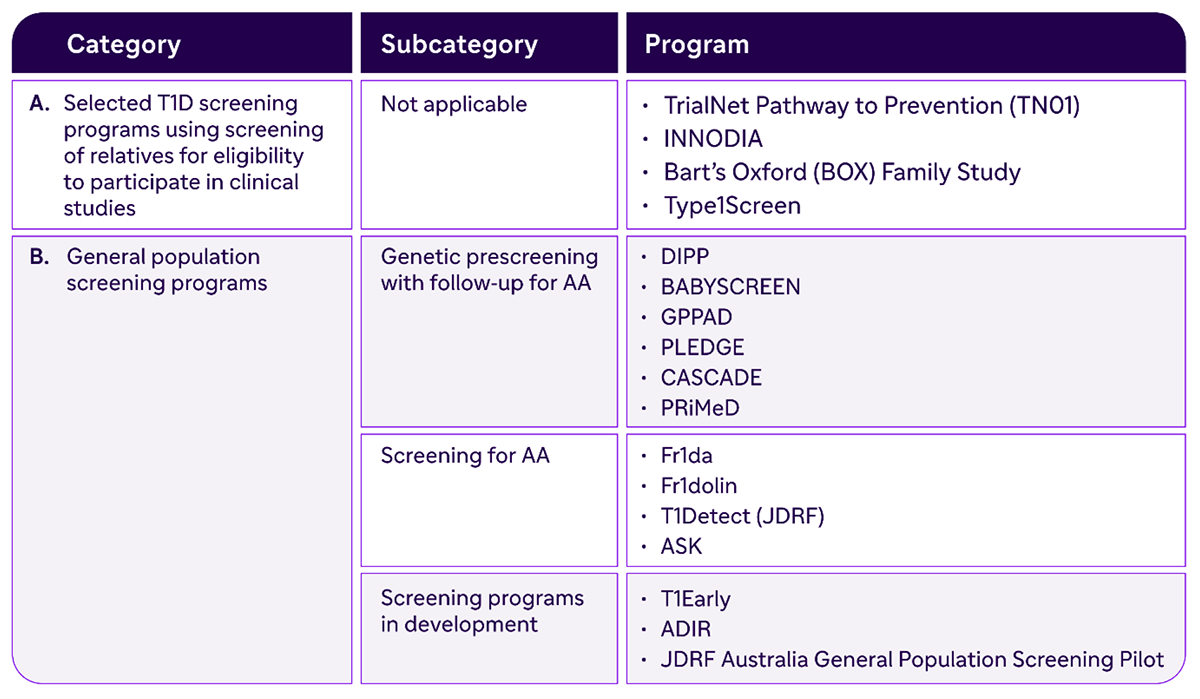
Screening programs with broader inclusion criteria have demonstrated remarkable success in preventing diabetic ketoacidosis (DKA) at diagnosis.8
Autoimmune T1D ongoing screening programs2
Benefits of diagnosing presymptomatic early-stage autoimmune T1D13
Outcomes of Fr1da population-based screening study (128 children previously diagnosed with presymptomatic early-stage T1D between 2015–2022) vs DiMelli study (736 age-matched children diagnosed with incident T1D between 2009–2018):
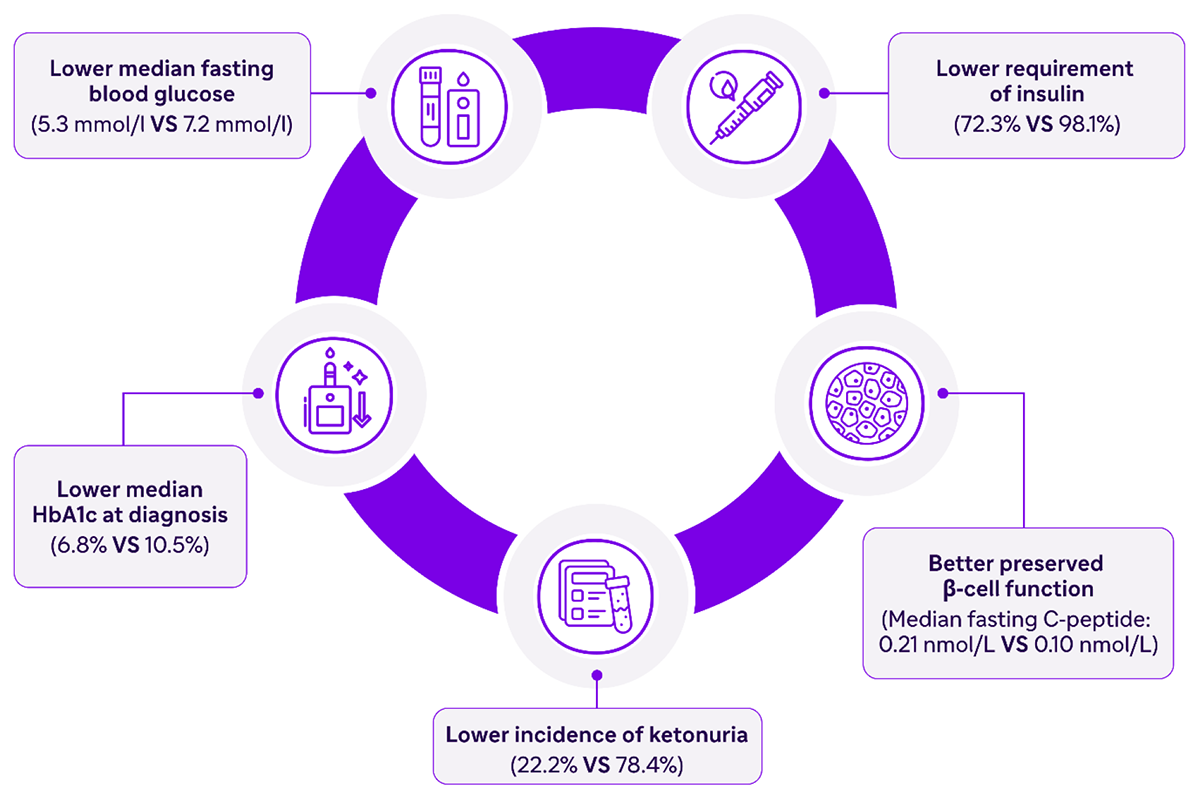
- DKA represents a serious and potentially life-threatening complication that occurs in up to 70% of individuals diagnosed with symptomatic autoimmune T1D.14
- The Fr1da study reported a low prevalence of DKA (only 2.5%) presented at stage 3 following prior early-stage diagnosis, which would reduce the burden associated with increased costs to the patient and their family and the healthcare system.13,15
The psychological and social benefits of early detection
Early diagnosis provides families and caregivers with structured time for preparation. Studies consistently show:9,10
- Reduced parent and caregiver anxiety at clinical diagnosis
- Improved psychological adaptation to the diagnosis
- Enhanced confidence in self-management
- Lowered risk of trauma associated with emergency presentation
Patient and caregiver education during presymptomatic stages also supports an easier transition to insulin therapy and more durable self-management behaviors.
Expanded screening in clinical practice
HCPs play a pivotal role in implementing expanded screening approaches; however, implementation should align with established guidelines and available resources.10
- Expanded screening begins with a comprehensive family history that includes second-degree relatives, supported by standardized screening questionnaires to identify individuals who may benefit from autoantibody testing.7
- Screening involves measuring multiple islet autoantibodies (IAA, GADA, IA-2A, and ZnT8A), with ≥2 autoantibodies indicating presymptomatic autoimmune T1D requiring structured monitoring and family education.6,7
- Effective implementation depends on clear communication about benefits, limitations, psychosocial considerations, and follow-up pathways for individuals who screen positive.7
- Screening strategies must be tailored to local infrastructure, insurance considerations, and access to specialized diabetes care to ensure appropriate monitoring and continuity of care.10,16
The path forward: Transforming autoimmune T1D care
- Growing evidence and evolving international guidelines increasingly support expanded screening for autoimmune T1D, highlighting the importance of broader risk assessment.7,16
- Expanding screening to include second-degree relatives and incorporating comprehensive risk assessment strategies can help identify more at-risk individuals, prevent severe complications, and improve long-term outcomes.5
Why does broader screening matter in autoimmune T1D?
The genetic risk for autoimmune T1D extends well beyond first-degree relatives,2,5 creating opportunities for early intervention and better outcomes through expanded screening approaches.8 HCPs who embrace this broader perspective can make a meaningful difference in the lives of patients and families affected by this challenging condition,7,8,16 transforming the trajectory of autoimmune T1D from reactive crisis management to proactive, preventive care.
Abbreviations
AAs, autoantibodies; ADIR, Antibody Detection Israeli Research; ASK, Autoimmunity Screening for Kids; CASCADE, Combined Antibody Screening for Celiac and Diabetes Evaluation; DIPP, Diabetes Prediction and Prevention; DKA, diabetic ketoacidosis; GADA, glutamic acid decarboxylase antibodies; GPPAD, Global Platform for the Prevention of Autoimmune Diabetes; HbA1c, glycated hemoglobin; HCP, healthcare professional; HLA, human leukocyte antigen; IAA, insulin autoantibodies; IA-2A, insulinoma-associated antigen-2 antibody; JDRF, Juvenile Diabetes Research Foundation; OGTT, oral glucose tolerance test; PLEDGE, Population Level Estimation of T1D Risk Genes; PRiMeD, Precision Individualized Medicine for Diabetes; T1D, type 1 diabetes; ZnT8A, zinc transporter 8 antibodies.
References
- Allen LA, Taylor PN, Gillespie KM, Oram RA, Dayan CM. Maternal type 1 diabetes and relative protection against offspring transmission. Lancet Diabetes Endocrinol. 2023;11(10):755-767. doi:10.1016/s2213-8587(23)00190-0
- Sims EK, Besser REJ, Dayan C, et al. Screening for type 1 diabetes in the general population: A status report and perspective. Diabetes. 2022;71(4):610-623. doi:10.2337/dbi20-0054
- American Diabetes Association. Genetics of diabetes. Accessed March 30, 2026. Available at: https://diabetes.org/about-diabetes/genetics-diabetes
- Karges B, Prinz N, Placzek K, et al. A comparison of familial and sporadic type 1 diabetes among young patients. Diabetes Care. 2021;44(5):1116-1124. doi:10.2337/dc20-1829
- Parkkola A, Härkönen T, Ryhänen SJ, Ilonen J, Knip M. Extended family history of type 1 diabetes and phenotype and genotype of newly diagnosed children. Diabetes Care. 2013;36(2):348-54. doi:10.2337/dc12-0445
- American Diabetes Association. 2. Diagnosis and classification of diabetes: Standards of care in diabetes–2024. Diabetes Care. 2024;47(Suppl 1):S20-S42. doi:10.2337/dc24-S002
- Phillip M, Achenbach P, Addala A, et al. Consensus guidance for monitoring individuals with islet autoantibody-positive pre-stage 3 type 1 diabetes. Diabetes Care. 2024;47(8):1276-1298. doi:10.2337/dci24-0042
- Quinn LM, Rashid R, Narendran P, Shukla D. Screening children for presymptomatic type 1 diabetes. Br J Gen Pract. 2023;73(726):36-39. doi:10.3399/bjgp23X731709
- ADA. 5. Facilitating positive health behaviors and well-being to improve health outcomes: Standards of care in diabetes-2025. Diabetes Care. 2025;48(1 Suppl 1):S86-S127. doi:10.2337/dc25-S005
- Moore DJ, Leibel NI, Polonsky W, Rodriguez H. Recommendations for screening and monitoring the stages of type 1 diabetes in the immune therapy era. Int J Gen Med. 2024;17:3003-3014. doi:10.2147/ijgm.S438009
- DiMeglio LA, Evans-Molina C, Oram RA. Type 1 diabetes. Lancet. 2018;391(10138):2449-2462. doi:10.1016/s0140-6736(18)31320-5
- Insel RA, Dunne JL, Atkinson MA, et al. Staging presymptomatic type 1 diabetes: A scientific statement of JDRF, the Endocrine Society, and the American Diabetes Association. Diabetes Care. 2015;38(10):1964-74. doi:10.2337/dc15-1419
- Hummel S, Carl J, Friedl N, et al. Children diagnosed with presymptomatic type 1 diabetes through public health screening have milder diabetes at clinical manifestation. Diabetologia. 2023;66(9):1633-1642. doi:10.1007/s00125-023-05953-0
- Wolfsdorf JI, Glaser N, Agus M, et al. ISPAD Clinical Practice Consensus Guidelines 2018: Diabetic ketoacidosis and the hyperglycemic hyperosmolar state. Pediatr Diabetes. 2018;19 Suppl 27:155-177. doi:10.1111/pedi.12701
- Ziegler AG, Kick K, Bonifacio E, et al. Yield of a public health screening of children for islet autoantibodies in Bavaria, Germany. JAMA. 2020;323(4):339-351. doi:10.1001/jama.2019.21565
- Besser REJ, Bell KJ, Couper JJ, et al. ISPAD Clinical Practice Consensus Guidelines 2022: Stages of type 1 diabetes in children and adolescents. Pediatr Diabetes. 2022;23(8):1175-1187. doi:10.1111/pedi.13410
MAT-GLB-2601360-1.0-08/2026