- Article
- Source: Campus Sanofi
- 5 Oct 2026
Praluent® (alirocumab): A PCSK9i That Ticks All the Boxes: Discover key data from the ODYSSEY OUTCOMES trial
Intensive and sustained LDL-C reduction?1 It’s Praluent® of course
Managing LDL-C in post-ACS patients may remain one of cardiology's most persistent challenges — with evidence showing the majority of very high-risk patients are not reaching the ESC/EAS guideline recommended goals on statins alone.6,7
Explore the key data from the ODYSSEY OUTCOMES* trial (N=18,924), which evaluated alirocumab (Praluent®) after acute coronary syndrome. Across the trial, PRALUENT® delivered intensive and sustained LDL-C reduction1, resulting in a significant decrease in major adverse cardiovascular events (MACE)2. In a post hoc analysis§, PRALUENT® also demonstrated its ability to help patients reach LDL-C goals, with 95% of ACS patients achieving LDL-C target levels.6
Key data highlights covered:
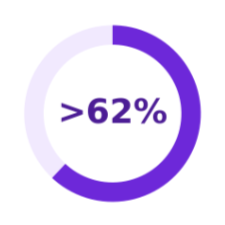
LDL-C reduction relative to placebo at 4 months‡‡ - sustained at >54% over 4 years1
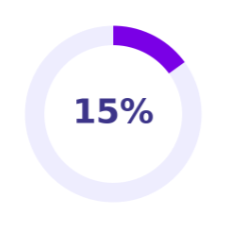
Risk reduction in MACE 1,2
(HR 0.85; 95% CI 0.78–0.93;
P=0.0003; ARR 2.0% at 4
years††)

Long-term safety profile3‡
Patient satisfaction:
Beyond efficacy, the self-administration device was designed with the patient in mind: a hidden needle, a button-free autoinjector, and a dose delivered in ≤20 seconds. 2,4 The ease of usability is also supported by real-world data from the ODYSSEY APRISE† and SYDNEY device study**, indicating patients felt satisfied and confident self-injecting at home.
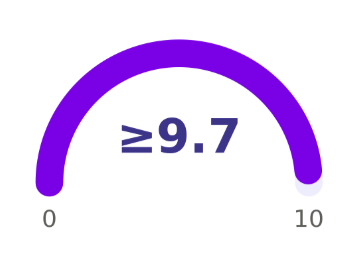
Patient satisfaction score across
all assessments, indicating
patients felt satisfied and
confident self-injecting at home4
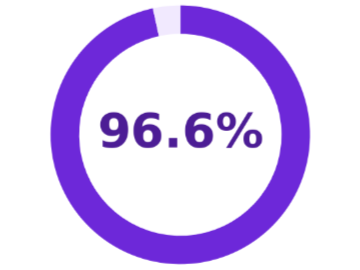
Patient adherence over a mean
72.4-week treatment duration5
PRALUENT® offers flexible dosing to meet individual patient needs — the usual starting dose for PRALUENT® is 75 mg administered subcutaneously once every 2 weeks. Patients requiring larger LDL-C reduction (>60%) may be started on 150 mg once every 2 weeks, or 300 mg once every 4 weeks (monthly), administered subcutaneously.2
If you have any questions or would like further information about Praluent®, please contact Sanofi's customer care team at SanofiCares@sanofi.com.
Important safety information:
The most common adverse reactions, at recommended doses, are local injection site reactions (6.1%), upper respiratory tract signs and symptoms (2.0%), and pruritus (1.1%). Most common adverse reactions leading to treatment discontinuation in patients treated with alirocumab were local injection site reactions.2
For more information on Praluent® adverse events please see SmPC.
Praluent®
Find more information on Indication, Administration and Mechanism of Action and watch videos about Praluent®.

*The ODYSSEY OUTCOMES trial was a multicenter, randomised, double-blind, placebo-controlled trial involving 18,924 patients who had an acute coronary syndrome 1 to 12 months earlier, had a low-density lipoprotein (LDL) cholesterol level of at least 70 mg per deciliter (1.8 mmol per liter), a non−high-density lipoprotein cholesterol level of at least 100 mg per deciliter (2.6 mmol per liter), or an apolipoprotein B level of at least 80 mg per deciliter, and were receiving statin therapy at a high-intensity dose or at the maximum tolerated dose. Patients were randomly assigned to receive alirocumab subcutaneously at a dose of 75 mg (9462 patients) or matching placebo (9462 patients) every 2 weeks. The dose of alirocumab was adjusted under blinded conditions to target an LDL cholesterol level of 25 to 50 mg per deciliter (0.6 to 1.3 mmol per liter). The primary endpoint, which was met, (MACE) was a composite of death from coronary heart disease, nonfatal myocardial infarction, fatal or nonfatal ischemic stroke, or unstable angina requiring hospitalisation. The median duration of follow-up was 2 .8 years. A composite primary end-point event occurred in 903 patients (9.5%) in the alirocumab group and in 1052 patients (11.1%) in the placebo group (hazard ratio, 0.85; 95% confidence interval [CI], 0.78 to 0.93; P<0.001).1
**The SYDNEY Device Study was a multicentre, randomised, open-label, 16-week study in the United States. For their first dose, 69 adult patients with hypercholesterolaemia despite receiving statin with or without other lipid-lowering therapy randomly received supervised, self-administered PRALUENT 300 mg via 1 × 300 mg injection with the SYDNEY device (n=35) or 2 × 150 mg injections with the currently approved AI (n=34). All continuing patients subsequently received unsupervised, self-administered PRALUENT 300 mg Q4W using the SYDNEY device at weeks 4, 8, and 12. The primary endpoint was PTC rate of 0.5% (n=1) (95% CI, 0.0%, 3.2%) during unsupervised injections. One PTC was reported during unsupervised injections (0.5%; 1 of 196 injections) and was classified as patient-related rather than device-related. No PTCs were reported during supervised injections. Patients reported a ≥9.7/10 satisfaction score with the SYDNEY device. Patients also reported a 9.9/10 score for ease of use with the AI (n=34) and 9.8/10 with the SYDNEY device (n=33).4
†A prospective, single-arm, Phase 3b open-label study assessing the safety and efficacy of alirocumab in a real-life setting in patients with severe hypercholesterolaemia (HeFH or very high LDL-C) inadequately controlled with maximally tolerated statin ± other lipid-lowering therapies, conducted across Europe and Canada (n=994). Patients received alirocumab 75 mg or 150 mg Q2W for a minimum of 3 months up to 30 months, with dose adjustment at physician’s discretion. Mean (SD) treatment duration was 72.4 (42.5) weeks. The primary endpoint was safety parameters throughout the study, including treatment-emergent adverse events (TEAEs), TEAEs of special interest, laboratory data, product complaints, and vital signs.5
‡A pre-specified subgroup analysis of ODYSSEY OUTCOMES evaluated the efficacy and safety of PRALUENT in 8,242 patients eligible for >3 years follow-up (6,651 for 3–4 years; 1,574 for 4–5 years), comprising 24,610 patient-years of observation. Of 8,242 patients, 8,228 received at least one dose of PRALUENT. The safety of PRALUENT was similar to placebo, except for an excess of local injection site reactions.3
§A post hoc assessment using data from the ODYSSEY OUTCOMES trial. ODYSSEY OUTCOMES enrolled 18,924 adult patients with an ACS event within 12 months of enrolment and LDL-C ≥1.8 mmol/L, non-HDL-C ≥2.6 mmol/L, or ApoB ≥80 mg/dL despite intensive or maximally tolerated statin treatment. Patients were randomized to receive PRALUENT® or placebo and the proportion of patients achieving the updated LDL-C goal of <1.4 mmol/L on at least one post-baseline measurement is presented.6 Post-baseline measurements were taken at 1, 2, 4, 8, 12, 16, 20, and 24 months after randomization and then at 6-month intervals until the common study end date.8 ACS patients at very high CV-risk according to 2019 ESC/EAS guidelines, with an LDL-C goal of <1.4 mmol/L and a reduction of ≥50% from baseline.7
††Observed cumulative incidence of events over 4 years.1
‡‡62.7% LDL-C reduction compared to placebo at 4 months in ODYSSEY OUTCOMES trial.1
- Schwartz GG, Steg PG, Szarek M, et al. Alirocumab and cardiovascular outcomes after acute coronary syndrome. N Engl J Med. 2018;379(22):2097–2107.
- Praluent® (Alirocumab) Summary of Product Characteristics. Sanofi.
- Goodman SG, Steg PG, Poulouin Y, et al. Long-Term Efficacy, Safety, and Tolerability of Alirocumab in 8,242 Patients Eligible for 3 to 5 Years of Placebo-Controlled Observation in the ODYSSEY OUTCOMES Trial. J Am Heart Assoc. 2023;12(18):e029216. doi:10.1161/JAHA.122.029216.
- Frias JP, Koren MJ, Loizeau V, et al. The SYDNEY device study: a multicentre, randomized open-label usability study of a 2-mL alirocumab autoinjector device. Clin Ther. 2020;42(1):94-107.e5.
- Banach M, Lopez-Sendon JL, Averna M, et al. Treatment adherence and e ort of concurrent statin intensity on the efficacy and safety of alirocumab in a real-life setting: results from ODYSSEY APPRISE. Arch Med Sci. 2021;18(2):285–292.
- Landmesser U, McGinniss J, Steg PG, et al. Achievement of ESC/EAS LDL-C treatment goals after an acute coronary syndrome with statin and alirocumab. Eur J Prev Cardiol. 2022;29(14):1842–1851.
- Mach F, Baigent C, Catapano AL, et al. ESC/EAS guidelines for the management of dyslipidaemias: lipid modification to reduce cardiovascular risk. Eur Heart J. 2020;41(1):111–188.
- Schwartz GG, Bessac L, Berdan LG, et al. Effect of alirocumab, a monoclonal antibody to PCSK9, on long-term cardiovascular outcomes following acute coronary syndromes: rationale and design of the ODYSSEY outcomes trial. Am Heart J. 2014;168(5):682–9.
ACS = acute coronary syndrome; AI = autoinjector; ApoB = apolipoprotein B; ARR = absolute risk reduction; ASCVD = atherosclerotic cardiovascular disease; CCB = Clinical Commissioning Board; CI = confidence interval; CV = cardiovascular; EAS = European Atherosclerosis Society; ESC = European Society of Cardiology; FH = familial hypercholesterolaemia; HDL-C = high-density lipoprotein cholesterol; HeFH = heterozygous familial hypercholesterolaemia; HR = hazard ratio; ICB = Integrated Care Board; ISI = Important Safety Information; LDL = low-density lipoprotein; LDL-C = low-density lipoprotein cholesterol; LLT = lipid-lowering therapy; MACE = major adverse cardiovascular event; NHS = National Health Service; NICE = National Institute for Health and Care Excellence; non-HDL-C = non-high-density lipoprotein cholesterol; PCSK9 = proprotein convertase subtilisin/kexin type 9; PCSK9i = proprotein convertase subtilisin/kexin type 9 inhibitor; PI = Prescribing Information; PTC = product technical complaints; Q2W = every 2 weeks; Q4W = every 4 weeks; SD = standard deviation; TEAEs = treatment-emergent adverse events
MAT-XU-2603723 (v.1.0) Date of prep: October 2026