
Fatigue & Cognitive Impacts of ITP
Learn more


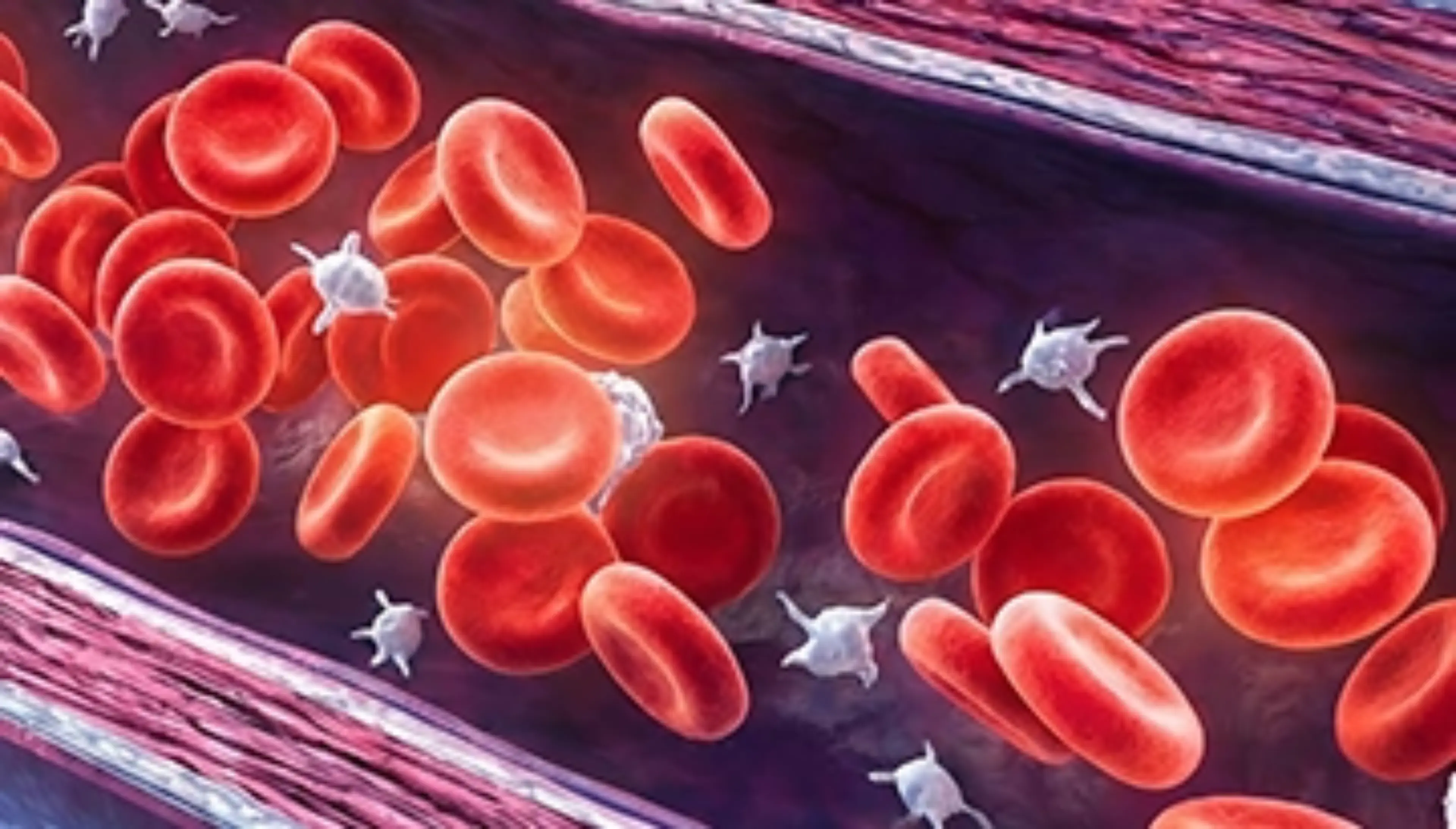


Low platelet counts are one facet of ITP, but when we look at it from another angle, we see the multiple dimensions of ITP. Immune thrombocytopenia (ITP) is a condition of complex immune dysregulation that reduces platelet counts—causing bleeding, bruising, fatigue, and other health-related quality-of-life (HRQoL) issues—while increasing inflammation and the risk of thromboembolic events (TEs).1-5

Patients reported significant quality of life (QoL) challenges related to their immune thrombocytopenia (ITP).1

For immune thrombocytopenia (ITP) patients, several scales are available to measure and track fatigue and its impact on quality of life. These tools can help patients and healthcare providers gauge symptoms and adjust their ITP treatment accordingly.1-4

Complex immune dysregulation can lead to autoimmunity and inflammation.1-6

Immune thrombocytopenia, or immune thrombocytopenic purpura (ITP), treatment in adults needs to be individualised for each patient based on various factors such as the duration of the disease, age, general health, and importantly, patient preference.1,2