- Article
- Source: Campus Sanofi
- Jul 14, 2026
Managing dyslipidemia in your ASCVD patients according to the new guidelines
Key Highlights
- The 2025 Focused Update of the ESC/EAS dyslipidaemia guidelines maintains existing LDL-C targets for VHR patients and endorses additional tools to support CV risk estimation1
- The introduction of a new ‘extreme risk’ category with a lower LDL-C goal (<1.0 mmol/L [<40 mg/dL]) reinforces the need for intense LDL-C lowering in these patients1
- This need is further emphasised by the ‘Strike Early and Strong’ approach recommended during index hospitalisation for ACS1,2
- The simplified approach to lipid management with earlier initiation of non-statin therapy such as a PCSK9 monoclonal antibody emphasises the importance of early and intense lipid-lowering therapy to optimise patient outcomes1
According to ESC/EAS dyslipidaemia guidelines, all ASCVD patients are at very high or extreme CV risk1
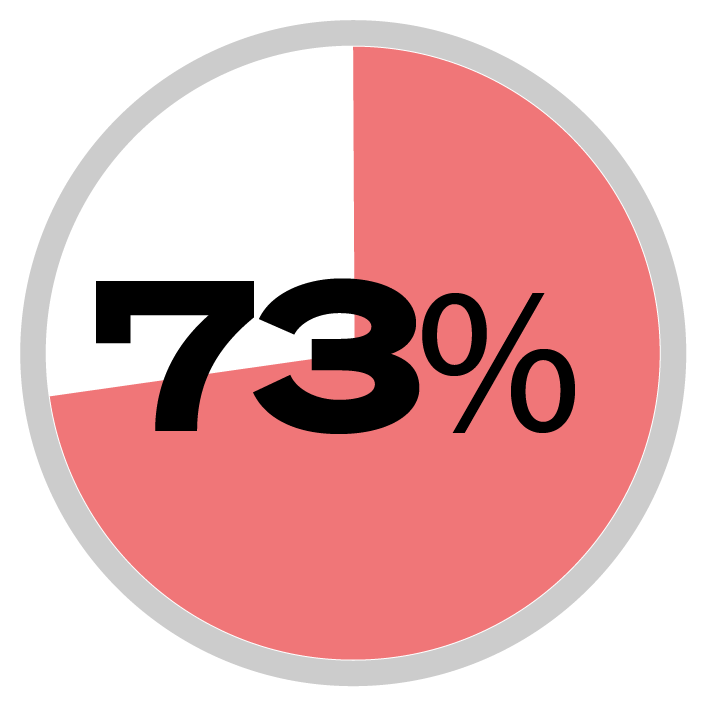
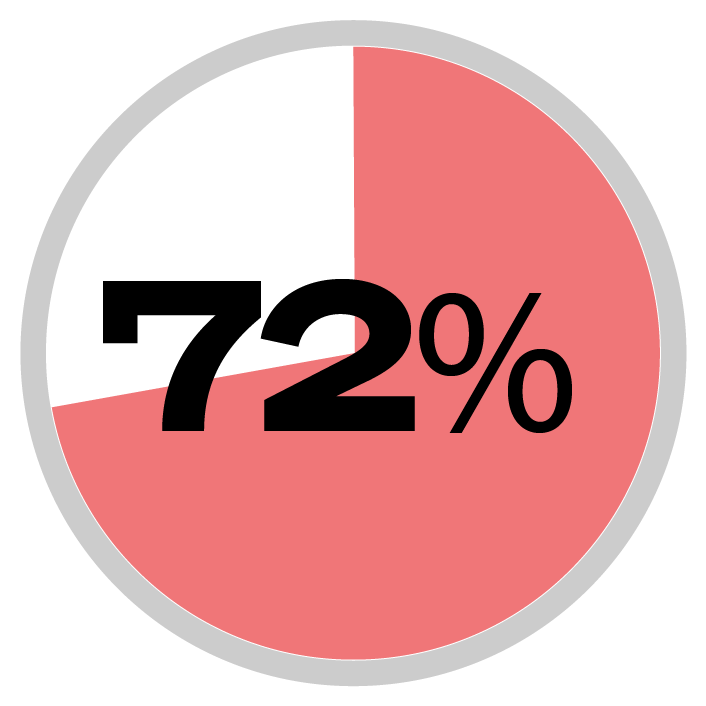
Many LDL-C-related CV events can be avoided with timely and optimised care, but according to real-world studies, over 70% of ASCVD patients did not reach the ESC/EAS-recommended <1.4 mmol/L (<55 mg/dL) goal for very high-CV-risk patients.3,4
Survey Series:
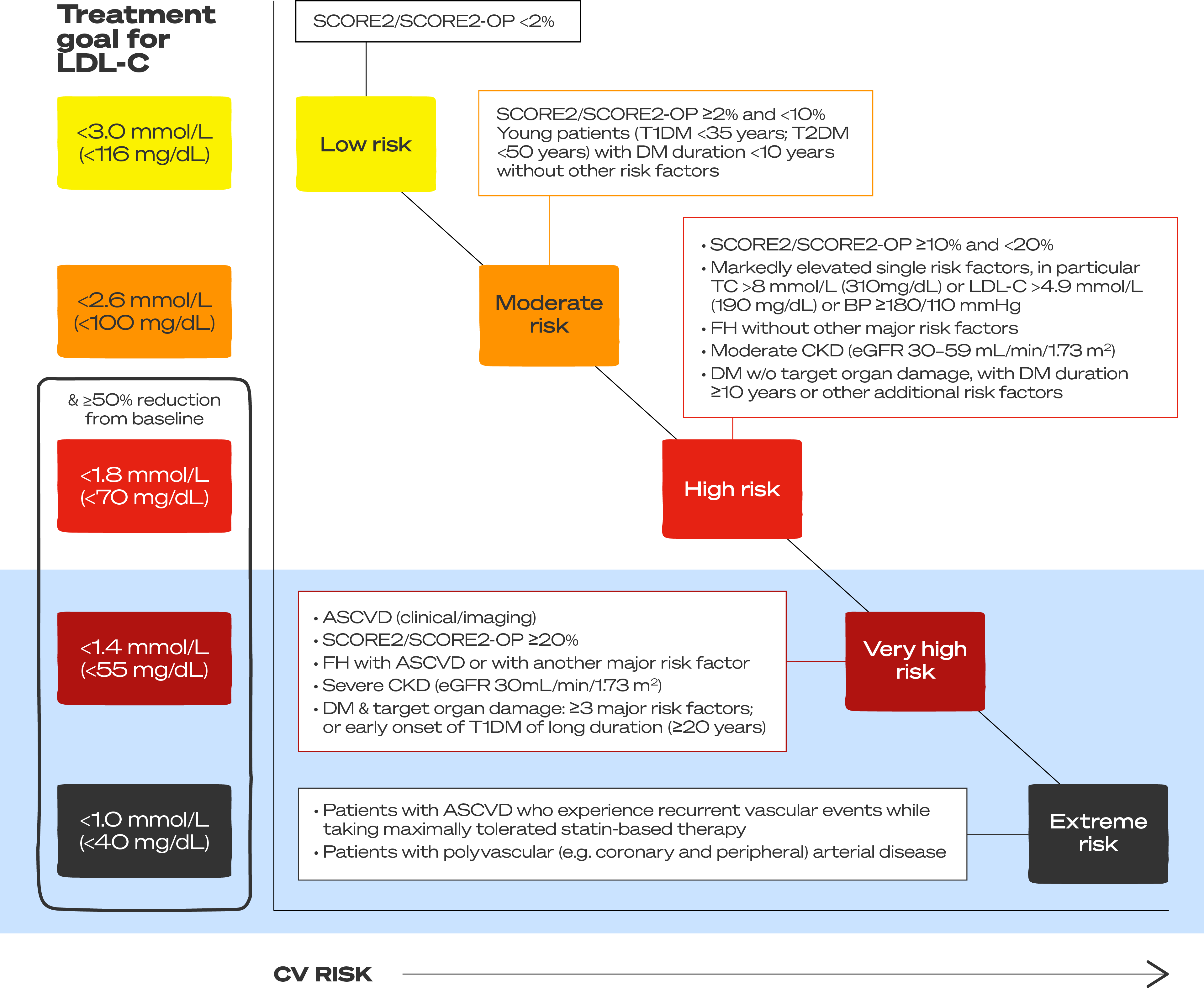
The 2025 Focused Update continues to set different LDL-C goals based on CV risk group, introducing a new ‘extreme risk’ category with the lowest LDL-C goal1
ESC/EAS guideline-recommended LDL-C treatment goals across categories of CV risk1
Who are the very high- and extreme-risk patients?

- Non-smoker, normotensive, reports occasional chest discomfort on exertion
- Cardiac CT showed a CAC score of 450
- Despite treatment with atorvastatin 40 mg daily, his lipids remain elevated
Total cholesterol: 4.2 mmol/L (162 mg/dL)
Non-HDL-C: 2.9 mmol/L (112 mg/dL)
LDL-C: 2.4 mmol/L (93 mg/dL)
HDL-C: 1.3 mmol/L (50 mg/dL)
Triglycerides: 1.0 mmol/L (89 mg/dL)

- Smoker for 30 years (one pack per day), diagnosed with T2DM at 45
- She is normotensive, with normal renal function and a BMI of 28 kg/m²
- She presents to her endocrinologist for adjustment of glucose-lowering treatment
- Her HbA1c is at 7.6% and she takes metformin and liraglutide
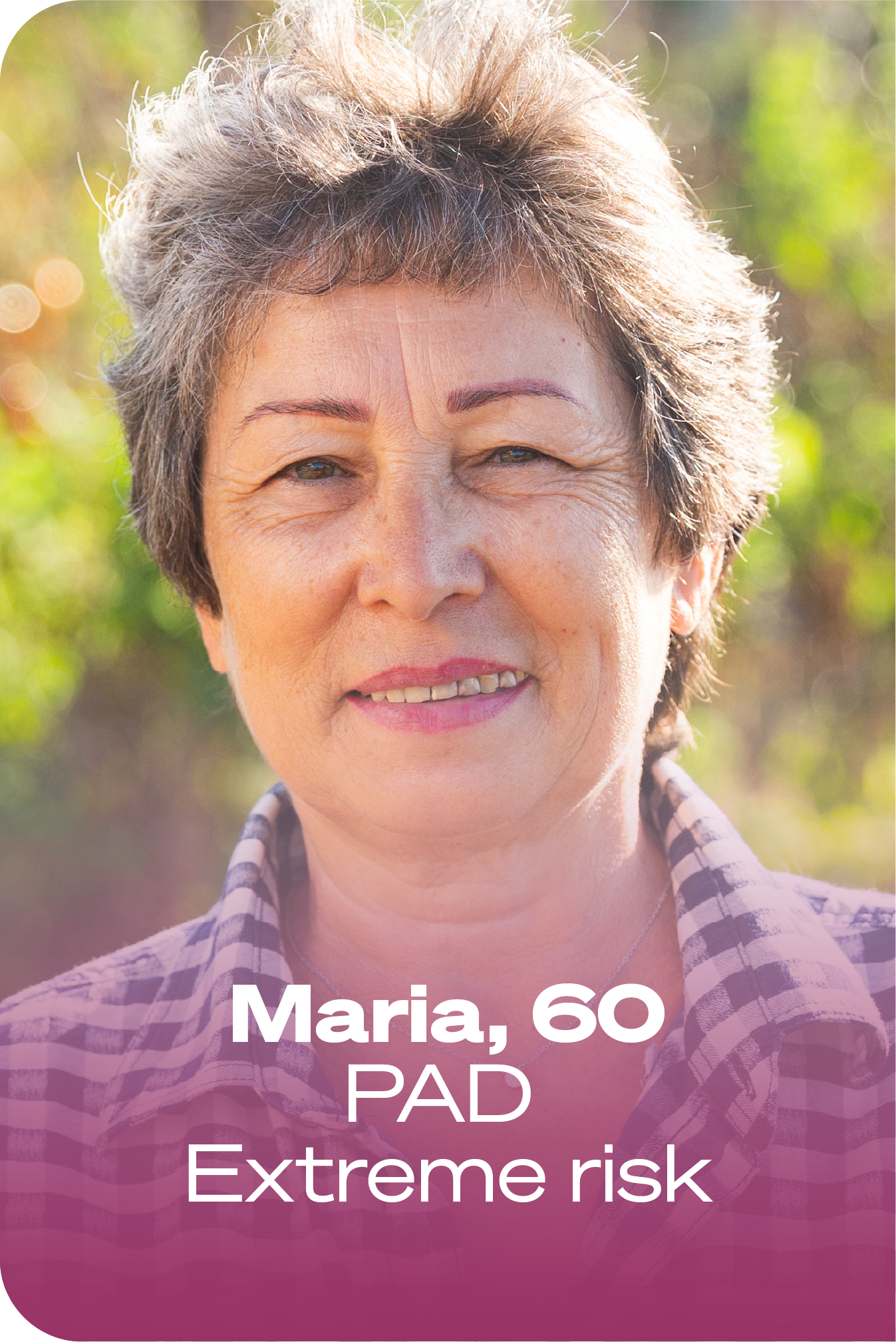
- She reports calf pain on exertion. Her ankle–brachial index is 0.55 and Doppler ultrasound demonstrates bilateral obstructive disease of femoral arteries
- Despite treatment with rosuvastatin 20 mg daily, her lipids remain elevated
Total cholesterol: 4.7 mmol/L (181 mg/dL)
Non-HDL-C: 3.5 mmol/L (135 mg/dL)
LDL-C: 2.5 mmol/L (97 mg/dL)
HDL-C: 1.2 mmol/L (46 mg/dL)
Triglycerides: 2.1 mmol/L (186 mg/dL)

- Smoker for 30 years (one pack per day), normotensive, reports calf pain on exertion
- Her ankle–brachial index is 0.75 and Doppler ultrasound demonstrates bilateral obstructive disease of femoral arteries
- Further ultrasound reveals a 60% stenosis of the left carotid artery and focal atherosclerotic plaques in the proximal abdominal aorta
- Despite treatment with rosuvastatin 20 mg daily, her lipids remain elevated
Total cholesterol: 4.7 mmol/L (181 mg/dL)
Non-HDL-C: 3.5 mmol/L (135 mg/dL)
LDL-C: 2.5 mmol/L (97 mg/dL)
HDL-C: 1.2 mmol/L (46 mg/dL)
Triglycerides: 2.1 mmol/L (186 mg/dL)

- Non-smoker, diagnosed with T2DM at 45
- He is normotensive, with a BMI of 27 kg/m²
- He presents to his endocrinologist for adjustment of glucose-lowering treatment
- His HbA1c is 7.6%, he takes metformin and liraglutide
- He reports occasional chest discomfort on exertion
- Cardiac CT showed a CAC score of 450
- Despite treatment with atorvastatin 40 mg daily, his lipids remain elevated
Total cholesterol: 4.3 mmol/L (166 mg/dL)
Non-HDL-C: 3.4 mmol/L (131 mg/dL)
LDL-C: 2.5 mmol/L (97 mg/dL)
HDL-C: 0.9 mmol/L (35 mg/dL)
Triglycerides: 2.0 mmol/L (177 mg/dL)
- Smoker for 50 years, had a transient ischaemic attack three years ago
- He is normotensive on an ACE inhibitor/diuretic combination; renal function not impaired
- Three months ago, he suffered a STEMI and underwent successful PCI of the left circumflex artery
- During hospitalisation, mixed dyslipidaemia was diagnosed and combination therapy with rosuvastatin 40 mg and ezetimibe was initiated
- Despite this, his lipids remain elevated
Total cholesterol: 3.8 mmol/L (147 mg/dL)
Non-HDL-C: 2.6 mmol/L (101 mg/dL)
LDL-C: 1.9 mmol/L (73 mg/dL)
HDL-C: 1.2 mmol/L (46 mg/dL)
Triglycerides: 1.4 mmol/L (124 mg/dL)
New tools can be used to help identify and classify very high- or extreme-risk patients who may benefit from intense LDL-C lowering1
Estimating risk
SCORE2 and SCORE2-OP are recommended for estimation of 10-year fatal and non-fatal CV risk in apparently healthy people <70 years and ≥70 years of age, respectively, without established ASCVD, DM, CKD, genetic/rare lipid or BP disorders.1
Risk modifiers
Risk modifiers, including presence of subclinical coronary atherosclerosis by imaging or increased CAC score by CT, should be considered in individuals at moderate risk or individuals around treatment decision thresholds to improve risk clarification.1
ESC/EAS dyslipidaemia guidelines support a ‘Strike Early and Strong’ approach to LDL-C lowering during index hospitalisation for ACS1
lipid-lowering therapy:1
The latest ESC/EAS recommendations endorse a simplified approach to LDL-C lowering, with earlier addition of non-statin therapy when statins alone fail to get patients to LDL-C goal1

dose of statin1

goal is not
reached1

The choice of non-statin therapy after maximum tolerated dose of statin should be based on the magnitude of additional LDL-C lowering needed, patient preference, treatment availability, and cost.1

* The SANTORINI study was an observational, prospective study that documented the use of lipid-lowering therapy in 9,044 patients ≥18 years of age at high or very high CV risk between 2020 and 2021 across primary and secondary care settings in 14 European countries. The primary objective was to assess how physicians assessed risk, how they approached lipid-lowering regimens, and to what extent current approaches result in LDL-C goal attainment. Of 9,062 enrolled patients, 9,044 with complete data were analysed. As reported by physicians, 6,954 patients were classified as having ASCVD at these visits and assessed as very high CV risk, with LDL-C goals <1.4 mmol/L (<55 mg/dL).
† The ACS EuroPath survey series evaluated cardiologists’ lipid management practice in the acute and follow-up phases, comparing the year 2024 with 2022 and 2018. The survey included 6,250 patients from six European countries between October 2024 and January 2025. These data were compared with that from 2,650 patients who participated in the ACS EuroPath I and ACS EuroPath II surveys conducted in 2018 and 2022, respectively, with identical methodology and questionnaires. The screening criteria for the participating physicians in 2024 differed slightly from those for 2022 (no restriction on years in practice or centre type) and the threshold for the number of ACS patients treated per month was slightly higher (>20 ACS patients per month vs >15 in 2022 and >20 in 2018). In the 2024 survey, 67% (n=1,787/2,650) of patients attending their first follow-up; 28% of these 1,787 patients achieved LDL-C goals of <1.4 mmol/L (<55 mg/dL).
‡ 2020 recommendation of evidence and/or general agreement that a given treatment or procedure is beneficial, useful, effective. Class I recommendation: weight of evidence/opinion is in favour of usefulness/efficacy. Level of evidence C: data derived from a single randomised clinical trial or large non-randomised studies; or consensus of opinion of experts and/or small studies, retrospective studies, registries.
Praluent is indicated for the treatment of adults with high cholesterol levels (suffering from primary hypercholesterolemia [heterozygous familial or non-familial] or mixed dyslipidemia) and children and adolescents aged 8 and above with heterozygous familial hypercholesterolemia, in combination with an appropriate diet. · For the treatment of adults with high cholesterol levels and cardiovascular disease to reduce cardiovascular risk.
The drug is given:
- In combination with a statin or in combination with a statin and other lipid-lowering drugs, in patients where the maximum tolerated dose of a statin does not adequately lower blood cholesterol levels, or as a monotherapy (Praluent only) or in combination with other lipid-lowering drugs in patients where statins are not tolerated or cannot be used.
Active Ingredient:
- Praluent 75 mg/mL – Each pre-filled pen/syringe contains 75 mg of Alirocumab. · Praluent 150 mg/mL – Available in two volumes, 1 mL and 2 mL. Each pre-filled pen/syringe of 1 mL contains 150 mg of Alirocumab. Each pre-filled pen/syringe of 2 mL contains 300 mg of Alirocumab.
Please refer to the updated physician prescribing information as approved/updated in accordance with the instructions of the Ministry of Health. Marketing Authorization Holder: Sanofi Israel Ltd.
ACE = angiotensin-converting enzyme; ACS = acute coronary syndrome; ASA = acetylsalicylic acid; ASCVD = atherosclerotic cardiovascular disease; BMI = body mass index; BP = blood pressure; CAC = coronary artery calcium; CAD = coronary artery disease; CKD = chronic kidney disease; CT = computed tomography; CV = cardiovascular; DM = diabetes mellitus; EAS = European Atherosclerosis Society; ESC = European Society of Cardiology; HbA1c = glycated haemoglobin; HDL-C = high-density lipoprotein cholesterol; LDL-C = low-density lipoprotein cholesterol; PAD = peripheral artery disease; PCI = percutaneous coronary intervention; PCSK9 = proprotein subtilisin/kexin type 9; SCORE2 = Systematic Coronary Risk Evaluation 2; SCORE2-OP = Systematic Coronary Risk Evaluation 2 – Older Persons; STEMI = ST-elevation myocardial infarction; T2DM = type 2 diabetes mellitus.
- Mach F, Kaskinas KC, Roeters van Lennep JE, et al. 2025 Focused Update of the 2019 ESC/EAS Guidelines for the management of dyslipidaemias. Eur Heart J. 2025;ehaf190.
- Krychtiuk KA, Ahrens I, Drexel H, et al. Acute LDL-C reduction post ACS: strike early and strike strong: from evidence to clinical practice. A clinical consensus statement of the Association for Acute CardioVascular Care (ACVC), in collaboration with the European Association of Preventive Cardiology (EAPC) and the European Society of Cardiology Working Group on Cardiovascular Pharmacotherapy. Eur Heart J Acute Cardiovasc Care. 2022;11(12):939–949.
- Ray KK, Haq I, Bilitou A, et al. Treatment gaps in the implementation of LDL cholesterol control among high- and very high-risk patients in Europe between 2020 and 2022; the multinational observational SANTORINI study. Lancet Reg Health Eur. 2023;29:100624.
- Laufs U, De Caterina R, Schiele F, et al. The ACS EuroPath survey series: time trends in lipid management after an acute coronary syndrome. Eur J Prev Cardiol. 2025;zwaf399.
- Mach F, Baigent C, Catapano A, et al. 2019 ESC/EAS Guidelines for the management of dyslipidaemia: lipid modification to reduce cardiovascular risk. Eur Heart J. 2025;41:111–188.
- PRALUENT (alirocumab) Summary of Product Characteristics. Sanofi Israel, December 2024
MAT-KW-2600066/V1/Aug 2026