- Article
- Source: Campus Sanofi
- May 14, 2025
Should we encourage earlier and broader use of combination therapies in dyslipidemia?
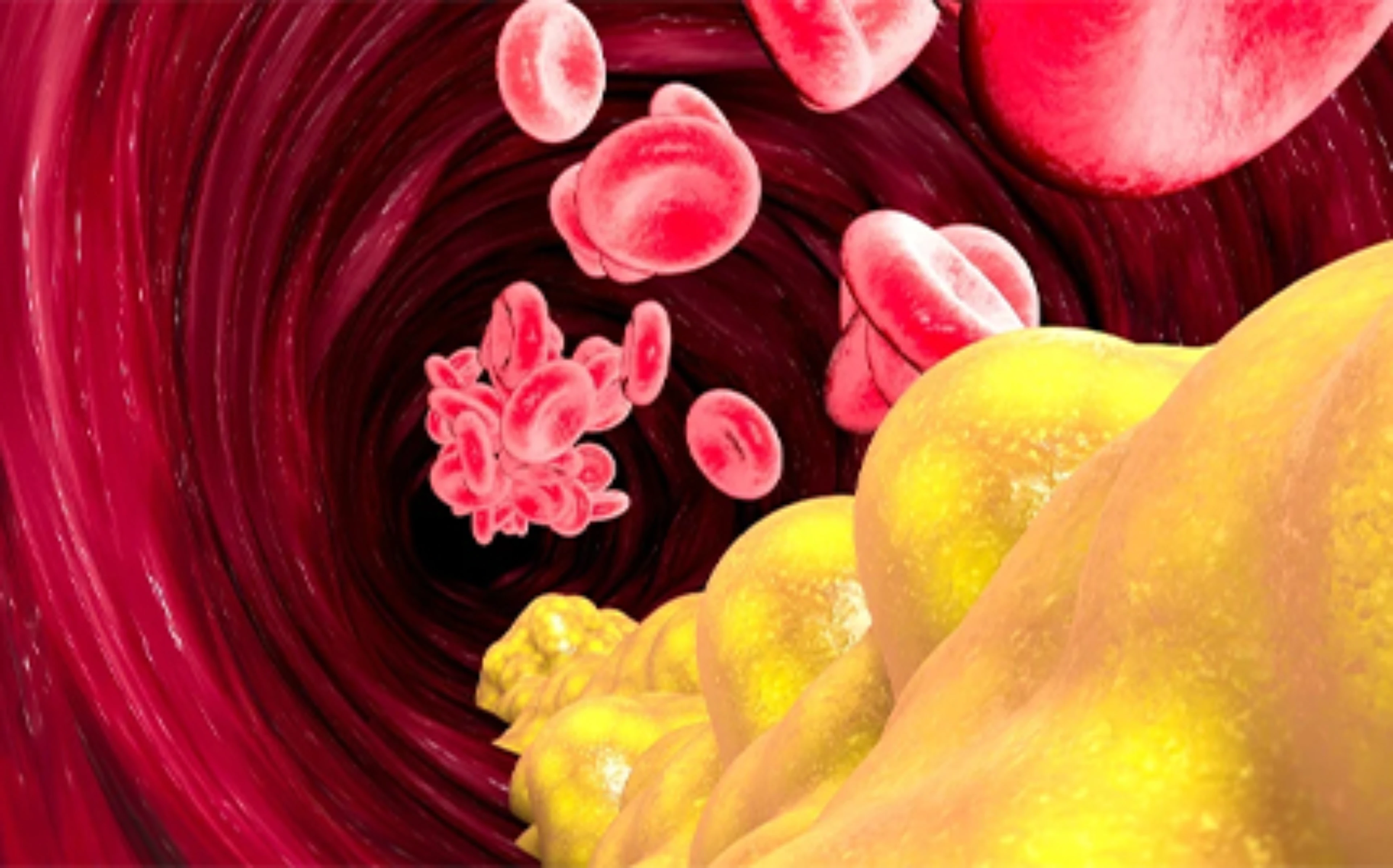
This session highlights the place of combination therapies for the management of dyslipidemia in the current guidelines and evaluates the advantages of combination therapy to achieve LDL-C goals as per current guidelines.
Key Takeaway
- Step-by-step approach requires an optimization of LLT during follow-up that is not observed in real life.
- Early systematic combination therapy:
- Corresponds to a treat-to-target strategy in line with ESC guidelines.
- Is easier to apply in practice than any algorithm.
- Is supported by scientific evidence (Prove It and Improve-it studies)
- Provides the largest decrease in LDL-C with clinical benefits in observational studies.
- Enables early decision on introducing PCSK9 inhibitors.
Key Highlights
- The 2019 ESC guidelines for dyslipidemia include risk assessment (low, moderate, high, and very high) and treat-to-target strategy.
- Two strategies for LLT:
- Step-by-step strategy to reach the LDL-C target: Start low–moderate statins, increase LLT intensity, add ezetimibe, and add PCSK9 inhibitor to reach the LDL-C target
- Start with high-intensity statins + ezetimibe and add PCSK9 inhibitor to reach the LDL-C target
Real-life results of the step-by-step strategy
- EUROASPIRE V: Included patients with acute coronary artery events or interventions.
- It was found that only 23% of women had LDL-C <1.8 mmol/L (70 mg/dL) compared to 32% of men.
- At first prescription (discharge), 58% patients were treated with high-intensity statins.
- During follow-up: Among the patients treated with high-intensity statins, there was a decrease in intensity (to low/moderate intensity or no LLT) in 20.8% patients vs an increase in LLT in 11.7% patients.
- As a result, instead of an increase, there was mostly a decrease in low-intensity treatment; hence, the step-by-step approach was not efficient, and only few patients fulfilled this target.
Treat-to-target strategy linked to combination LLT
- Percent LDL-C reduction with LLT combination makes it possible to select the appropriate LLT to reach the LDL-C target, according to baseline LLT.
- Example of treat-to-target prescription in a very high-risk patient:
- Target is <1.4 mmol/L (<55 mg/dL): Cannot be reached with high intensity alone if baseline LDL-C is >3 mmol/L (115 mg/dL) and needs additional effect of ezetimibe.
- Target is >50% decrease in LDL-C: Cannot be reached with high-intensity statin alone; additional effect of ezetimibe is needed.
An innovative lipid-lowering approach to enhance attainment of LDL-C goals
- Real-life application in 270 randomly selected very high-risk patients:
- Admission LDL-C: 120 ± 47 mg/dL (33% already under statins at admission).
- Compliance with treatment algorithm was 76% despite a discharge treatment with 97% higher intensity statins plus 67% ezetimibe.
- LDL-C target according to the recent guidelines (ESC 2019) was reached in only 46%; even with use of ezetimibe for old patients, this algorithm would have only 56% of patients at this target.
- Hence, giving the systematic combination is much simpler and much more efficient than any algorithm.
Early combination: Evidence for high-intensity statin
- Prove-it: Trial demonstrated that high-intensity statins were much better than low-intensity statins (LDL-C during study: 62 vs 95 mg/dL: RRR = 16%).
- However, before PCI, the use of high-intensity statin is suggested instead of no or moderate-intensity statins because it is safe for MACE.
Early combination: Evidence for ezetimibe
- Improve-it: When added to statin therapy, ezetimibe resulted in incremental lowering of LDL-C levels and improved CV outcomes.
- Addition of ezetimibe to statin therapy in stable patients who had an ACS and had LDL-C levels within guideline recommendations further lowered the risk of CV events.
Early combination: Observational studies
- Swedeheart registry in post-MI patients showed larger LDL-C reduction, and more intensive statin therapy after MI was associated with a reduced hazard of all CV outcomes and all-cause mortality.
- Thus, earlier lowering of LDL-C after an MI conferred the greatest benefits.
Early combination: Timely decision for PCSK9 inhibitors
- Evidence for early PCSK9 inhibitor use:
- PCSK9i reduces MACE and all-cause mortality immediately after MI. In ODYSSEY outcomes, PCSK9 inhibitor showed 15% RRR in MACE at 33 months.
- In Fourier trial, few patients had recent MI and remote MI; most patients got the advantage of using PCSK9 inhibitor.
ACS, acute coronary syndrome; CV, cardiovascular; ESC, European Society of Cardiology; LDL-C, low-density lipoprotein cholesterol; LLT, lipid-lowering therapy; MACE, major adverse cardiovascular events; MI, myocardial infarction; PCI, percutaneous coronary intervention; PCSK9i, proprotein convertase subtilisin/kexin-9 inhibitor; RRR, relative risk reduction.
-
Schiele F. Should we encourage earlier and broader use of combination therapies in dyslipidemia? Presented at the European Society of Cardiology (ESC) conference on August 28, 2021.
-
De Backer G, Jankowski P, Kotseva K, Mirrakhimov E, Reiner Ž, Rydén L, et al. Management of dyslipidemia in patients with coronary heart disease: Results from the ESC-EORP EUROASPIRE V survey in 27 countries. Atherosclerosis. 2019;285:135–146. doi:10.1016/j.atherosclerosis.2019.03.014.
-
Cannon CP, Braunwald E, McCabe CH, Rader DJ, Rouleau JL, Belder R, et al. Intensive versus moderate lipid lowering with statins after acute coronary syndromes [published correction appears in N Engl J Med. 2006;354(7):778]. N Engl J Med. 2004;350(15):1495–1504. doi:10.1056/NEJMoa040583.
-
Cannon CP, Blazing MA, Giugliano RP, McCagg A, White JA, Theroux P, et al. Ezetimibe added to statin therapy after acute coronary syndromes. N Engl J Med. 2015;372(25):2387–2397. doi:10.1056/NEJMoa1410489.
MAT-KW-2200299/v2/Jan 2024