- Article
- Source: Campus Sanofi
- 4 Jun 2025
Acquired Thrombotic Thrombocytopenic Purpura (aTTP)
.png)
What is TTP?
Thrombotic thrombocytopenic purpura (TTP)—
A rare, life-threatening medical emergency
TTP is a rare, life-threatening thrombotic microangiopathy (TMA). There are approximately 3 cases per million people.1,2
The name thrombotic thrombocytopenic purpura describes the 3 main characteristics of the disease.

Thrombotic: characterized by the formation of microthrombi (blood clots) within a blood vessel, which clog the vessel and prevent blood circulation.

Thrombocytopenic: a lower-than-normal platelet count due to the consumption of platelets during microthrombi formation, which causes occlusion of microvasculature.

Purpura: spots of variable size on the skin or in the mucous membranes, due to small hemorrhages; they can be dark red and as small as a pinhead (petechiae) or purplish and 2 to 3 cm in diameter (ecchymosis).
Types of TTP
Acquired TTP3,4
- aTTP, also known as immune-mediated thrombotic thrombocytopenic purpura (iTTP)
- The most common form of TTP; approximately 95% of TTP cases are aTTP
- Caused by autoantibody inhibition of ADAMTS13 activity.
ADAMTS13=a disintegrin and metalloproteinase with thrombospondin type 1 motif, 13.
Hereditary TTP4,5
- Also known as congenital TTP, inherited TTP, familial TTP, or Upshaw–Schulman syndrome
- Very rare form of TTP; mainly detected in children
- Caused by mutations in the ADAMTS13 gene
Primary aTTP vs secondary aTTP2,6,7
Primary aTTP
- Primary aTTP refers to acquired autoimmune TTP for which there is no obvious underlying/precipitating cause/disease
- Primary aTTP accounts for the majority of cases of TTP
Secondary aTTP
- Secondary aTTP refers to acquired autoimmune TTP for which a defined underlying disorder or trigger can be identified, including connective tissue disease (eg, systemic lupus erythematosus), HIV infection, cytomegalovirus infection, and/or a specific precipitating factor (eg, pregnancy or drugs)
- Treatment of the underlying disorder and/or removal of the underlying precipitant may be required, as well as standard TTP therapy
|
TTP causes systemic microthrombi and consequent thrombocytopenia, hemolytic anemia, and organ ischemia. These symptoms—coupled with TTP’s rarity—can cause confusion with other TMAs, making TTP a challenge to diagnose.8-10 |
Signs and symptoms of aTTP include1,7-10

Petechiae, purpura, bruising (skin)

Headache, confusion, seizures, coma (neurological)

EKG abnormalities (cardiac)

Abdominal pain, diarrhea (gastrointestinal)

Proteinuria/hematuria (kidney)
|
Suspect aTTP? |
The incidence of TTP is 2 to 6 per million individuals4
|
Rare diseases defined as <500 cases per million 11 |
|
Ultra-rare diseases defined as <20 cases per million 12 |
aTTP primarily affects young, healthy adults13,14

years of age on average
.2025-07-08-07-29-53.png)
of people affected are women
.2025-07-08-07-30-12.png)
higher aTTP incidence in the Black population
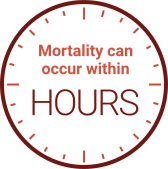
If left untreated, TTP is rapidly fatal8,15-17

acute mortality rate16,17

of TTP deaths occur within 24 hours of presentation8
Even with plasma exchange therapy (PEX), mortality risk persists15,16,18
|
|
|
9 days median time from diagnosis to death16,18 in acute phase of TTP in patients treated with PEX15,18 |
-
Joly BS, Coppo P, Veyradier A. Thrombotic thrombocytopenic purpura. Blood. 2017;129(21):2836-2846. doi:10.1182/blood-2016-10-709857
-
Arnold DM, Patriquin CJ, Nazy I. Thrombotic microangiopathies: a general approach to diagnosis and management. CMAJ. 2017;189(4):E153-E159. doi:10.1503/cmaj.160142
-
Scully M, Cataland SR, Peyvandi F, et al; HERCULES Investigators. Caplacizumab treatment for acquired thrombotic thrombocytopenic purpura. N Engl J Med. 2019;380(4):335-346. doi:10.1056/NEJMoa1806311
-
Zheng XL, Vesely SK, Cataland SR, et al. ISTH guidelines for the diagnosis of thrombotic thrombocytopenic purpura. J Thromb Haemost. 2020;18(10):2486-2495. doi:10.1111/jth.15006
-
National Institutes of Health. Congenital thrombotic thrombocytopenic purpura. Updated July 12, 2018. Accessed February 15, 2022. https://rarediseases.info.nih.gov/diseases/9430/congenital-thrombotic-thrombocytopenic-purpura
-
Sukumar S, Lämmle B, Cataland SR. Thrombotic thrombocytopenic purpura: pathophysiology, diagnosis, and management. J Clin Med. 2021;10(3):536. doi:10.3390/jcm10030536
-
Azoulay E, Bauer PR, Mariotte E, et al; Nine-i Investigators. Expert statement on the ICU management of patients with thrombotic thrombocytopenic purpura. Intensive Care Med. 2019;45(11):1518-1539. doi:10.1007/s00134-019-05736-5
-
Scully M, Hunt BJ, Benjamin S, et al; British Committee for Standards in Haematology. Guidelines on the diagnosis and management of thrombotic thrombocytopenic purpura and other thrombotic microangiopathies. Br J Haematol. 2012;158(3):323-335. doi:10.1111/j.1365-2141.2012.09167.x
-
Gallan AJ, Chang A. A new paradigm for renal thrombotic microangiopathy. Semin Diagn Pathol. 2020;37(3):121-126. doi:10.1053/j.semdp.2020.01.002
-
Tsai H-M. Pathophysiology of thrombotic thrombocytopenic purpura. Int J Hematol. 2010;91(1):1-19. doi:10.1007/s12185-009-0476-1
-
Kaplan W, Wirtz VJ, Mantel-Teeuwisse A, Stolk P, Duthey B, Laing R. Rare diseases. In: Priority Medicines for Europe and the World. 2013 Update. Chap 6.19. World Health Organization. Accessed January 27, 2022. https://www.who.int/medicines/areas/priority_medicines/MasterDocJune28_FINAL_Web.pdf?ua=1
-
Harari S, Humbert M. Ultra-rare disease: an European perspective. Eur Respir Rev. 2020;29(156):200195. doi:10.1183/16000617.0195-2020
-
Terrell DR, Williams LA, Vesely SK, Lämmle B, Hovinga JAK, George JN. The incidence of thrombotic thrombocytopenic purpura-hemolytic uremic syndrome: all patients, idiopathic patients, and patients with severe ADAMTS-13 deficiency. J Thromb Haemost. 2005;3(7):1432-1436. doi:10.1111/j.1538-7836.2005.01436.x
-
Reese JA, Muthurajah DS, Kremer Hovinga JA, Vesely SK, Terrell DR, George JN. Children and adults with thrombotic thrombocytopenic purpura associated with severe, acquired Adamts13 deficiency: comparison of incidence, demographic and clinical features. Pediatr Blood Cancer. 2013;60(10):1676-1682. doi:10.1002/pbc.24612
-
Goel R, King KE, Takemoto CM, Ness PM, Tobian AAR. Prognostic risk-stratified score for predicting mortality in hospitalized patients with thrombotic thrombocytopenic purpura: nationally representative data from 2007 to 2012. Transfusion. 2016;56(6):1451-1458. doi:10.1111/trf.13586
-
Kremer Hovinga JA, Vesely SK, Terrell DR, Lämmle B, George JN. Survival and relapse in patients with thrombotic thrombocytopenic purpura. Blood. 2010;115(8):1500-1511. doi:10.1182/blood-2009-09-243790
-
Sayani FA, Abrams CS. How I treat refractory thrombotic thrombocytopenic purpura. Blood. 2015;125(25):3860-3867. doi:10.1182/blood-2014-11-551580
-
Peyvandi F, Scully M, Kremer Hovinga JA, et al. Caplacizumab reduces the frequency of major thromboembolic events, exacerbations and death in patients with acquired thrombotic thrombocytopenic purpura. J Thromb Haemost. 2017;15(7):1448-1452. doi:10.1111/jth.13716
The burden of thrombotic thrombocytopenic purpura (TTP)
Short- and long-term implications threaten patients with aTTP
Short-term implications
Mortality
- Untreated, aTTP has an acute mortality rate of up to 90%1-3
- Approximately 55% to 80% of deaths among patients with aTTP occur within 2 weeks of diagnosis4-6
- Significantly higher rates of in-hospital mortality have also been reported in patients with TTP and CV complications(19.7% vs 4.1%)7
Health-related quality of life
- Rates of depression (10% to 73%) are considerably higher in patients following an episode of TTP, compared with both healthy individuals and reference populations8-12
Morbidity
- Most common complications in patients hospitalized with TTP are CV complications (25%), such as stroke (10%), heart failure (8%), and acute coronary syndrome (6%)7
Economic burden
- Short-term treatment of acute thromboembolism such as stroke, acute MI, or TIA requires multiple healthcare resources, including hospitalization with diagnostic tests (eg, CT scans), administration of thrombolytic and/or other drugs, admittance to intensive care/critical care unit, and/or ongoing specialist nursing care (eg, physiotherapy, speech therapy)13-15
|
An increased time at risk of microvascular thrombosis can lead to irreversible organ damage to the heart, brain, and kidneys16 |
Long-term implications
Mortality
- 23-fold increase in mortality was observed in patients who did not reach a platelet recovery rate of 5 × 10⁹/L per day by day 3 of PEX17
- Inability to normalize platelet count over 7 days of PEX was associated with a significantly increased risk of death18
Health-related quality of life
- Long-term outcomes are driven by the consequences of platelet aggregation, leading to systemic microvascular thrombosis7,19
Morbidity
- Recovery following an acute episode of aTTP is not a resolution of symptoms but the beginning of a long-term morbidity burden: hypertension, stroke, and depression requiring pharmacological treatment were significantly greater for TTP survivors versus the age- and sex-matched US population8,9,20
Economic burden
- Other long-term consequences that have been reported include neurocognitive impairment, depression, hypertension, headaches, and SLE; all require healthcare resources on an ongoing basis11,20
|
Long-term morbidity leads to suboptimal health-related quality of life, in both mental (anxiety, depression) and physical functioning, and potentially reduces life expectancy8-20 |
aTTP=acquired thrombotic thrombocytopenic purpura; CT=computed tomography; CV=cardiovascular; MI=myocardial infarction; PEX=plasma exchange; SLE=systemic lupus erythematosus; TIA=transient ischemic attack; TTP=thrombotic thrombocytopenic purpura.
-
Scully M, Hunt BJ, Benjamin S, et al; British Committee for Standards in Haematology. Guidelines on the diagnosis and management of thrombotic thrombocytopenic purpura and other thrombotic microangiopathies. Br J Haematol. 2012;158(3):323-335. doi:10.1111/j.1365-2141.2012.09167.x
-
Kremer Hovinga JA, Vesely SK, Terrell DR, Lämmle B, George JN. Survival and relapse in patients with thrombotic thrombocytopenic purpura. Blood. 2010;115(8):1500-1511. doi:10.1182/blood-2009-09-243790
-
Sayani FA, Abrams CS. How I treat refractory thrombotic thrombocytopenic purpura. Blood. 2015;125(25):3860-3867. doi:10.1182/blood-2014-11-551580
-
Goel R, King KE, Takemoto CM, Ness PM, Tobian AAR. Prognostic risk-stratified score for predicting mortality in hospitalized patients with thrombotic thrombocytopenic purpura: nationally representative data from 2007 to 2012. Transfusion. 2016;56(6):1451-1458. doi:10.1111/trf.13586
-
Benhamou Y, Assié C, Boelle P-Y, et al. Development and validation of a predictive model for death in acquired severe ADAMTS13 deficiency-associated idiopathic thrombotic thrombocytopenic purpura: the French TMA Reference Center experience. Haematologica. 2012;97(8):1181-1186. doi:10.3324/haematol.2011.049676
-
Chaturvedi S, Bhatia N. Predictors of survival in thrombotic thrombocytopenic purpura. Haematologica. 2013;98(5):e58. doi:10.3324/haematol.2012.079400
-
Balasubramaniyam N, Yandrapalli S, Kolte D, Pemmasani G, Janakiram M, Frishman WH. Cardiovascular complications and their association with mortality in patients with thrombotic thrombocytopenic purpura. Am J Med. 2021;134(2):e89-e97. doi:10.1016/j.amjmed.2020.06.020
-
Chaturvedi S, Abbas H, McCrae KR. Increased morbidity during long-term follow-up of survivors of thrombotic thrombocytopenic purpura. Am J Hematol. 2015;90(10):E208. doi:10.1002/ajh.24138
-
Falter T, Schmitt V, Herold S, et al. Depression and cognitive deficits as long-term consequences of thrombotic thrombocytopenic purpura. Transfusion. 2017;57(5):1152-1162. doi:10.1111/trf.14060
-
Han B, Page EE, Stewart LM, et al. Depression and cognitive impairment following recovery from thrombotic thrombocytopenic purpura. Am J Hematol. 2015;90(8):709-714. doi:10.1002/ajh.24060
-
Riva S, Mancini I, Maino A, et al. Long-term neuropsychological sequelae, emotional wellbeing and quality of life in patients with acquired thrombotic thrombocytopenic purpura. Haematologica. 2020;105(7):1957-1962. doi:10.3324/haematol.2019.226423
-
Alwan F, Mahdi D, Tayabali S, et al. Cerebral MRI findings predict the risk of cognitive impairment in thrombotic thrombocytopenic purpura. Br J Haematol. 2020;191(5):868-874. doi:10.1111/bjh.17126
-
Hughes PA. Comprehensive care of adults with acute ischemic stroke. Crit Care Nurs Clin N Amer. 2011;23(4):661-675. doi:10.1016/j.ccell.2011.08.009
-
Reed GW, Rossi JE, Cannon CP. Acute myocardial infarction. Lancet. 2017;389(10065):197-210. doi:10.1016/s0140-6736(16)30677-8
-
Lau CS, Mak A. The socioeconomic burden of SLE. Nat Rev Rheumatol. 2009;5(7):400-404. doi:10.1038/nrrheum.2009.106
-
Thejeel B, Garg AX, Clark WF, et al. Long-term outcomes of thrombotic microangiopathy treated with plasma exchange: a systematic review. Am J Hematol. 2016;91(6):623-630 doi:10.1002/ajh.24339
-
Liu C, Kallogjeri D, Dynis M, Grossman BJ. Platelet recovery rate during plasma exchange predicts early and late responses in patients with thrombotic thrombocytopenic purpura. Transfusion. 2013(5):1096-1107. doi:10.1111/j.1537-2995.2012.03857.x
-
Staley EM, Cao W, Pham HP, et al. Clinical factors and biomarkers predict outcome in patients with immune-mediated thrombotic thrombocytopenic purpura. Haematologica. 2019;104(1):166-175. doi:10.3324/haematol.2018.198275
-
Kremer Hovinga JA, Coppo P, Lämmle B, Moake JL, Miyata T, Vanhoorelbeke K. Thrombotic thrombocytopenic purpura. Nat Rev Dis Primers. 2017;3:17020. doi:10.1038/nrdp.2017.20
-
Deford CC, Reese JA, Schwartz LH, et al. Multiple major morbidities and increased mortality during long-term follow-up after recovery from thrombotic thrombocytopenic purpura. Blood. 2013;122(12):2023-2029. doi:10.1182/blood-2013-04-496752
The pathophysiology of thrombotic thrombocytopenic purpura (TTP)
TTP is characterized by potentially fatal systemic microthrombi1,2
TTP is caused by severely decreased activity of the ADAMTS13 enzyme. ADAMTS13 is the protease that cleaves von Willebrand factor (vWF). In patients with acquired TTP (aTTP), this deficiency is immune mediated.1
Decreased ADAMTS13 activity leads to an accumulation of ultra-large von Willebrand factor (ULvWF) multimers, which spontaneously bind to platelets and induce aggregation. This results in dangerous microthrombi that drive severe thrombocytopenia, microangiopathic hemolytic anemia, and organ ischemia.2
ADAMTS13=a disintegrin and metalloproteinase with thrombospondin type 1 motif, 13.
TTP pathophysiology
An in-depth exploration of the causes of TTP and the severe consequences of the disease.
What is the pathophysiology of aTTP?
3 key mechanisms drive the pathophysiology of aTTP2

Auto antibody formation
Autoantibodies to ADAMTS13 inhibit its activity or enhance clearance of the enzyme
ADAMTS13 deficiency causes uncleaved ULvWF
ADAMTS13 (the enzyme responsible for cleaving vWF in the blood-clotting process) is deficient, leaving platelet-hyperadhesive ULvWF strands intact to circulate without being cleaved.
Microthrombi formation
ULvWF accumulates and spontaneously binds to platelets, forming microthrombi.
Normal physiology2,3
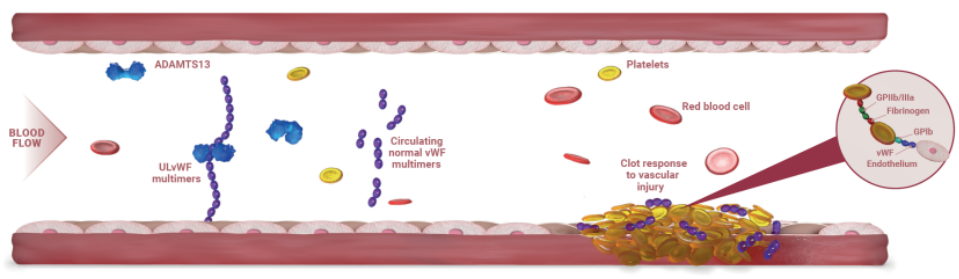
Thrombotic thrombocytopenic purpura2,3

Adapted from Joly B et al. Blood 2017 and Saad J & Schoenberger L 2018.
Formation of microthrombi causes2
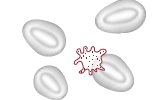
Severe thrombocytopenia
(often platelets <30 × 109/L)

Microangiopathic hemolytic anemia (MAHA)
characterized by the presence of schistocytes in blood smear

Organ ischemia
(lesions can occur in any organ, but they most frequently affect the heart, brain, gastrointestinal tract, and kidney)
|
Platelet aggregation leads to microthrombi formation, which can have fatal consequences.1,2 |
-
Tsai H-M. Pathophysiology of thrombotic thrombocytopenic purpura. Int J Hematol. 2010;91(1):1-19. doi:10.1007/s12185-009-0476-1
-
Joly BS, Coppo P, Veyradier A. Thrombotic thrombocytopenic purpura. Blood. 2017;129(21):2836-2846. doi:10.1182/blood-2016-10-709857
-
Saad J, Asuka E, Schoenberger L. Physiology, platelet activation. Updated May 9, 2021. Accessed November 15, 2021. https://www.ncbi.nlm.nih.gov/books/NBK482478/
Signs and symptoms of aTTP
The symptoms of aTTP are driven by microthrombi, which are unpredictable and potentially fatal1,2
Microthrombi can have serious acute and chronic consequences in TTP—putting patients at risk for devastating effects and death without urgent treatment.
Microthrombi can occur in any organ with microvessels, but the most commonly affected are3
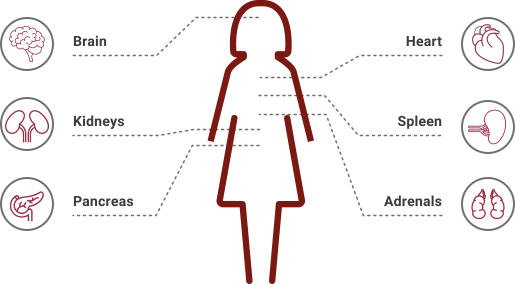
Tissue and organ damage resulting from ischemia leads to increased levels of lactate dehydrogenase (LDH), troponins (heart), and creatinine (kidney).¹,⁴
Expert Opinion About aTTP
Signs and symptoms of acquired thrombotic thrombocytopenic purpura (aTTP) include1,4,5
Petechiae, purpura, bruising (skin)
Headache, confusion, seizures, coma (neurological)
EKG abnormalities (cardiac)
Abdominal pain, diarrhea (gastrointestinal)
Proteinuria/hematuria (kidney)

of TTP episodes result in ischemia due to platelet aggregation in the microcirculation of the brain.3
The consequences of microthrombi can be severe, with TTP potentially resulting in acute thromboembolic events such as1,2,4

Stroke
.2025-06-20-09-27-30.png)
Myocardial infarction

Arterial thrombosis

Early death
-
Joly BS, Coppo P, Veyradier A. Thrombotic thrombocytopenic purpura. Blood. 2017;129(21):2836-2846. doi:10.1182/blood-2016-10-709857
-
Goel R, King KE, Takemoto CM, Ness PM, Tobian AAR. Prognostic risk-stratified score for predicting mortality in hospitalized patients with thrombotic thrombocytopenic purpura: nationally representative data from 2007 to 2012. Transfusion. 2016;56(6):1451-1458. doi:10.1111/trf.13586
-
Moake JL. Thrombotic thrombocytopenic purpura: the systemic clumping “plague.” Annu Rev Med. 2002;53:75-88. doi:10.1146/annurev.med.53.082901.103948
-
Scully M, Hunt BJ, Benjamin S, et al; British Committee for Standards in Haematology. Guidelines on the diagnosis and management of thrombotic thrombocytopenic purpura and other thrombotic microangiopathies. Br J Haematol. 2012;158(3):323-335. doi:10.1111/j.1365-2141.2012.09167.x
-
Azoulay E, Bauer PR, Mariotte E, et al; Nine-i Investigators. Expert statement on the ICU management of patients with thrombotic thrombocytopenic purpura. Intensive Care Med. 2019;45(11):1518-1539. doi:10.1007/s00134-019-05736-5
Identifying thrombotic thrombocytopenic purpura (TTP) among thrombotic microangiopathies (TMAs)
TMAs require urgent management, but variable presentation can make them difficult to distinguish1,2
TMA is a pathologic term used to describe occlusive microvascular or macrovascular disease, often with intraluminal thrombus formation.3 Presentation of TMAs varies widely, including but not limited to stroke, neurologic complications, severe renal failure, flu-like symptoms, and simple fatigue.4,5
This leads to the involvement of several physician specialists at the outset of patient care in clinic and hospital settings. Both—the variability of TMAs and the involvement of many specialties—pose a challenge to prompt recognition and diagnosis of TTP.4,5
Your role is crucial to the diagnosis and speed of appropriate treatment for TMAs6
In most cases, patients present at the emergency department for a nonspecific somatic complaint, and thrombocytopenia is subsequently discovered. More rarely, the results of a CBC can reveal thrombocytopenia during an appointment in a non-hospital setting.6
It is critical to suspect TMA when you see7,8:
Thrombocytopenia
(often platelets <30 × 109/L)
Microangiopathic hemolytic anemia (MAHA)
characterized by the presence of schistocytes in blood smear
Organ failure
of varying severity
Thrombocytopenia associated with MAHA should suggest a TMA syndrome, even in the absence of organ failure.9
Important TMA lab markers6,10,11
Biological report sheet
|
Blood count |
• Thrombocytopenia |
|
|
• Hemolytic anemia |
| |
|
Reticulocyte count |
High (>120 g/L)* |
|
|
Hemoglobin |
Low |
|
|
Schistocytes on blood smear |
Present† |
A hallmark of TTP, but absence
|
|
Coombs test |
Negative‡ |
|
|
Hemolysis evaluation |
• Hyperbilirubinemia |
|
|
• Haptoglobin low, even undetectable |
| |
|
• High LDH rate§ |
While not diagnostic, elevated LDH
| |
|
Hemostasis assessment |
• Most often normal |
|
|
• D-dimer rate may be moderately elevated |
|
Understanding the types of TMAs can change how you treat the patient1,12
TMAs are classified into 2 types: primary and secondary. Primary TMAs have no clear underlying cause, while secondary TMAs may be caused by a number of clinical conditions. Recognizing the underlying cause, or lack thereof, can determine treatment course.1,12
Types of TMAs1,12
Primary TMAs
- TTP (acquired/immune-mediated and hereditary)
- HUS (atypical/complement-mediated and Shiga toxin–producing E coli)
Secondary TMAs
- Systemic lupus erythematosus
- Pregnancy-associated (eg, hemolysis, elevated liver enzymes, low platelet count [HELLP] syndrome)
- Hematopoietic progenitor cell transplantation
- Drug-induced
The 2 primary TMAs—TTP and HUS—are often confused, but differentiating them is critical to determining appropriate treatment1,2
Historically, TTP and hemolytic uremic syndrome (HUS) were classified based on clinical findings: TTP for predominant neurologic involvement and HUS for the kidney-dominant diseases.1,13 With recent understanding of the molecular basis of TMAs, definitions have changed.1,7,8,11,13
|
TTP is now defined as
(<10%) | vs | HUS may be caused by Shiga toxin-producing E coli (STEC-HUS)
OR genetic mutations in complement regulatory proteins (atypical or complement mediated HUS) |
Differentiation of TTP from HUS can be confounded by kidney involvement in TTP. 25% of patients with TTP had kidney injury in the Oklahoma TTP Registry.5,14,15
Variable presentation of TMAs, potential confusion with HUS, and lack of diagnostic protocols can result in a missed or delayed diagnosis of aTTP2,16
20 %of patients with aTTP were misdiagnosed 16
|
This number may be underestimated due to the study being unable to exclude the possibility that some misdiagnosed patients may have died before their TTP diagnosis was made.16
|
The consequences of delayed diagnosis and treatment of TTP can be devastating, including organ failure or even death.7,11,15-17 |
aTTP=acquired thrombotic thrombocytopenic purpura; CBC=complete blood count; E coli=Escherichia coli; LDH=lactate dehydrogenase.
*Emphasizes the regenerative nature of anemia.
†Nonsystematic presence of schistocytes, possibly late onset, hence the importance of repeating this test several times to increase the sensitivity of the examination.16
‡Test may turn out to be slightly positive in an autoimmune environment.16 §Related to hemolysis and organ tissue damage.6
-
Arnold DM, Patriquin CJ, Nazy I. Thrombotic microangiopathies: a general approach to diagnosis and management. CMAJ. 2017;189(4):E153-E159. doi:10.1503/cmaj.160142
-
Gallan AJ, Chang A. A new paradigm for renal thrombotic microangiopathy. Semin Diagn Pathol. 2020;37(3):121-126. doi:10.1053/j.semdp.2020.01.002
-
Scully M, Cataland S, Coppo P, et al. Consensus on the standardization of terminology in thrombotic thrombocytopenic purpura and related thrombotic microangiopathies. J Thromb Haemostasis. 2017;15(2):312-322. doi:10.1111/jth.13571
-
Bommer M, Wölfle-Guter M, Bohl S, Kuchenbauer F. The differential diagnosis and treatment of thrombotic microangiopathies. Dtsch Arztebl Int. 2018;115(19):327-334. doi:10.3238/arztebl.2018.0327
-
Coppo P, Veyradier A. Current management and therapeutical perspectives in thrombotic thrombocytopenic purpura. Presse Med. 2012;41(3 pt 2):e163-e176. doi:10.1016/j.lpm.2011.10.024
-
Gardy O, Gay J, Pateron D, Coppo P. Les microangiopathies aux urgences. Presented at: Urgences 2014; June 4-6, 2014; Paris. Accessed February 18, 2022. https://www.sfmu.org/upload/70_formation/02_eformation/02_congres/Urgences/urgences2014/donnees/pdf/077.pdf
-
Joly BS, Coppo P, Veyradier A. Thrombotic thrombocytopenic purpura. Blood. 2017;129(21):2836-2846. doi:10.1182/blood-2016-10-709857
-
Zheng XL, Vesely SK, Cataland SR, et al. ISTH guidelines for the diagnosis of thrombotic thrombocytopenic purpura. J Thromb Haemost. 2020;18(10):2486-2495. doi:10.1111/jth.15006
-
Van der Linden T, Souweine B, Dupic L, Soufir L, Meyer P. Management of thrombocytopenia in the ICU (pregnancy excluded). Ann. Intensive Care. 2012;2(1):42. doi:10.1186/2110-5820-2-42
-
Azoulay E, Bauer PR, Mariotte E, et al; Nine-i Investigators. Expert statement on the ICU management of patients with thrombotic thrombocytopenic purpura. Intensive Care Med. 2019;45(11):1518-1539. doi:10.1007/s00134-019-05736-5
-
Scully M, Hunt BJ, Benjamin S, et al; British Committee for Standards in Haematology. Guidelines on the diagnosis and management of thrombotic thrombocytopenic purpura and other thrombotic microangiopathies. Br J Haematol. 2012;158(3):323-335. doi:10.1111/j.1365-2141.2012.09167.x
-
Radhakrishnan J. Anticomplement therapies in “secondary thrombotic microangiopathies”: ready for prime time? Kidney Int. 2019;96(4):833-835. doi:10.1016/j.kint.2019.08.00f
-
Tsai H-M. Pathophysiology of thrombotic thrombocytopenic purpura. Int J Hematol. 2010;91(1):1-19. doi:10.1007/s12185-009-0476-1
-
George JN. The remarkable diversity of thrombotic thrombocytopenic purpura: a perspective. Blood Adv. 2018;2(12):1510-1516. doi:10.1182/bloodadvances.2018018432
-
Kremer Hovinga JA, Vesely SK, Terrell DR, Lämmle B, George JN. Survival and relapse in patients with thrombotic thrombocytopenic purpura. Blood. 2010;115(8):1500-1511. doi:10.1182/blood-2009-09-243790
-
Grall M, Azoulay E, Galicier L, et al. Thrombotic thrombocytopenic purpura misdiagnosed as autoimmune cytopenia: causes of diagnostic errors and consequence on outcome. Experience of the French Thrombotic Microangiopathies Reference Centre. Am J Hematol. 2017;92(4):381-387. doi:10.1002/ajh.24665
-
Sayani FA, Abrams CS. How I treat refractory thrombotic thrombocytopenic purpura. Blood. 2015;125(25):3860-3867. doi:10.1182/blood-2014-11-551580
How to diagnose thrombotic thrombocytopenic purpura (TTP)
Diagnosing TTP rapidly is critical and can save a life1
When a patient presents with2
Severe thrombocytopenia
(often platelets <30 × 109/L).
Microangiopathic hemolytic anemia (MAHA)
characterized by the presence of schistocytes in blood smear

With no identified cause

The risk of death is acute and imminent if TTP remains undiagnosed and untreated1,3,4

of untreated patients1,3,4
of the acute event if untreated1
Why TTP can be difficult to diagnose
TTP is rare and presents similarly to other thrombotic microangiopathies (TMAs), making it a challenge to diagnose. All TMAs result in thrombosis of capillaries and arterioles due to endothelial injury.5,6
A delay in diagnosing TTP can leave patients at risk for organ damage and death. The uncertainty around what’s happening to these patients can cause fear and frustration.5,7-9
|
It's critical to differentiate TTP from other TMAs quickly so patients can get started on appropriate treatment |
Diagnosing TTP in adults: Step-by-step1,7,10-15
Presentation
Neurological symptoms
Headache and/or confusion and/or seizures and/or other cerebral abnormalities
Gastrointestinal symptoms
Abdominal pain, nausea, and diarrhea
Cardiac symptoms
Chest pain and/or hypotension and/or myocardial infarction and/or congestive heart failure and/or sudden cardiac arrest and/or other cardiac abnormalitiesChest pain and/or hypotension and/or myocardial infarction and/or congestive heart failure and/or sudden cardiac arrest and/or other cardiac abnormalities
Renal impairment
Hematuria and proteinuria; creatinine <2 mg/dL; typically not severe
Neurological symptoms
Headache and/or confusion and/or seizures and/or other cerebral abnormalities
Gastrointestinal symptoms
Abdominal pain, nausea, and diarrhea
Cardiac symptoms
Chest pain and/or hypotension and/or myocardial infarction and/or congestive heart failure and/or sudden cardiac arrest and/or other cardiac abnormalitiesChest pain and/or hypotension and/or myocardial infarction and/or congestive heart failure and/or sudden cardiac arrest and/or other cardiac abnormalities
Renal impairment
Hematuria and proteinuria; creatinine <2 mg/dL; typically not severe
Important TTP lab markers

The presence of schistocytes on the blood smear is the morphologic hallmark of the disease, but the absence of schistocytes does not rule out TTP.2,16

Although serum creatinine is typically <2.0 mg/dL at presentation, the Oklahoma TTP-HUS Registry reported kidney injury 25% of the time.2,15

While not diagnostic, elevated LDH may be predictive of severe organ damage, and elevated troponin may indicate cardiovascular risk.1,2

ADAMTS13 activity <10% confirms a TTP diagnosis and supports TTP treatment, but ADAMTS13 levels of 10% to 20% do not rule out TTP. TTP management will rely on clinical judgment.2,7,13
|
ADAMTS13 <10% confirms TTP. Test as soon as possible when TMA is suspected.2,7,13 |
LDH=lactose dehydrogenase; MAHA=microangiopathic hemolytic anemia; TMA=thrombotic microangiopathy; TTP=thrombotic thrombocytopenic purpura.
-
Scully M, Hunt BJ, Benjamin S, et al; British Committee for Standards in Haematology. Guidelines on the diagnosis and management of thrombotic thrombocytopenic purpura and other thrombotic microangiopathies. Br J Haematol. 2012;158(3):323-335. doi:10.1111/j.1365-2141.2012.09167.x
-
Joly BS, Coppo P, Veyradier A. Thrombotic thrombocytopenic purpura. Blood. 2017;129(21):2836-2846. doi:10.1182/blood-2016-10-709857
-
Kremer Hovinga JA, Vesely SK, Terrell DR, Lämmle B, George JN. Survival and relapse in patients with thrombotic thrombocytopenic purpura. Blood. 2010;115(8):1500-1511. doi:10.1182/blood-2009-09-243790
-
Sayani FA, Abrams CS. How I treat refractory thrombotic thrombocytopenic purpura. Blood. 2015;125(25):3860-3867. doi:10.1182/blood-2014-11-551580
-
Arnold DM, Patriquin CJ, Nazy I. Thrombotic microangiopathies: a general approach to diagnosis and management. CMAJ. 2017;189(4):E153-E159. doi:10.1503/cmaj.160142
-
Tsai H-M. Pathophysiology of thrombotic thrombocytopenic purpura. Int J Hematol. 2010;91(1):1-19. doi:10.1007/s12185-009-0476-1
-
Zheng XL, Vesely SK, Cataland SR, et al. ISTH guidelines for the diagnosis of thrombotic thrombocytopenic purpura. J Thromb Haemost. 2020;18(10):2486-2495. doi:10.1111/jth.15006
-
Grall M, Azoulay E, Galicier L, et al. Thrombotic thrombocytopenic purpura misdiagnosed as autoimmune cytopenia: causes of diagnostic errors and consequence on outcome. Experience of the French Thrombotic Microangiopathies Reference Centre. Am J Hematol. 2017;92(4):381-387. doi:10.1002/ajh.24665
-
Gallan AJ, Chang A. A new paradigm for renal thrombotic microangiopathy. Semin Diagn Pathol. 2020;37(3):121-126. doi:10.1053/j.semdp.2020.01.002
-
Sukumar S, Lämmle B, Cataland SR. Thrombotic thrombocytopenic purpura: pathophysiology, diagnosis, and management. J Clin Med. 2021;10(3):536. doi:10.3390/jcm10030536
-
Wiernek SL, Jiang B, Gustafson GM, Dai X. Cardiac implications of thrombotic thrombocytopenic purpura. World J Cardiol. 2018;10(12):254-266.
-
Hawkins BM, Abu-Fadel M, Vesely SK, George JN. Clinical cardiac involvement in thrombotic thrombocytopenic purpura: a systematic review. Transfusion. 2008;48:382-392. doi:10.1111/j.1537-2995.2007.01534.x
-
Supplement to (Acquired TTP): George JN. The remarkable diversity of thrombotic thrombocytopenic purpura: a perspective. Blood Adv. 2018;2(12):1510-1516. doi:10.1182/bloodadvances.2018018432
-
Supplement to (Approach to Patient): George JN. The remarkable diversity of thrombotic thrombocytopenic purpura: a perspective. Blood Adv. 2018;2(12):1510-1516. doi:10.1182/bloodadvances.2018018432
-
George JN. The remarkable diversity of thrombotic thrombocytopenic purpura: a perspective. Blood Adv. 2018;2(12):1510-1516. doi:10.1182/bloodadvances.2018018432
-
Azoulay E, Bauer PR, Mariotte E, et al; Nine-i Investigators. Expert statement on the ICU management of patients with thrombotic thrombocytopenic purpura. Intensive Care Med. 2019;45(11):1518-1539. doi:10.1007/s00134-019-05736-5
Guidelines for diagnosing and treating thrombotic thrombocytopenic purpura (TTP)

Most recent publication
The ISTH Guidelines for Diagnosis and Treatment were published July 2020.

About ISTH
With more than 5000 members across 100 countries, the ISTH is the leading thrombosis and hemostasis–related professional organization in the world.2
Why the ISTH Guidelines were developed
Diagnosing and treating TTP can be complicated.1
- The rarity of TTP—and its similar presentation to other TMAs—can make recognition a challenge
- Management of TTP varies among healthcare professionals (HCPs)
- Treatment recommendations in TTP have evolved
ISTH created the guidelines as a comprehensive, uniform, international resource to inform the diagnosis and management of TTP1
The ISTH Guidelines can aid HCPs—both those with limited experience with TTP and those considered experts in TTP—in making a TTP diagnosis and following an appropriate treatment strategy.
These include1
- Emergency/critical care physicians
- Hematologists
- Nephrologists
- Neurologists
- Transfusion medicine specialists
- Hospitalists
- Policy makers
|
The ISTH has created the first evidence-based guidelines to support rapid TTP diagnosis and treatment. |
-
Zheng XL, Vesely SK, Cataland SR, et al. ISTH Guidelines for the diagnosis of thrombotic thrombocytopenic purpura. J Thromb Haemost. 2020;18(10):2486-2495. doi:10.1111/jth.15006
-
ISTH History. International Society on Thrombosis and Haemostasis website. Accessed November 16, 2021. http://www.ISTH.org/page/History
The prognosis of thrombotic thrombocytopenic purpura (TTP) can be unpredictable1,2
Patients can experience refractory disease or recurrence of their TTP (exacerbation or relapse), highlighting the need for vigilant monitoring3,4
The risks and effects of TTP extend beyond the first acute events that patients experience.5-7
Here are some of the various ways TTP can affect your patients after diagnosis and treatment.
TTP episode
Even with plasma exchange therapy (PEX), mortality risk persists8-10

acute mortality associated with episodes of aTTP9,10
Refractory TTP
Occurs when patients do not have a clinical response after 5 sessions of PEX. Clinical response is defined as sustained platelet count ≥150 × 109/L and LDH <1.5 times ULN and no clinical evidence of new or progressive organ injury.4
Refractory TTP can indicate poor prognosis for survival3

of aTTP patients experience unpredictable refractoriness
TTP exacerbation
A platelet count decrease after a clinical response and before a clinical remission. A clinical exacerbation is defined as platelet count decrease to <150 × 109/L (with other causes of thrombocytopenia excluded), with or without clinical evidence of new or progressive ischemic organ injury, within 30 days of stopping plasma exchange or anti-vWF therapy.4
TTP exacerbation is a threat to patient recovery
.png)
of patients have ≥1 TTP episode within 30 days of stopping plasma exchange*
*Retrospective review of French Reference Centre for TMA registry (N=388).
TTP relapse
A new episode of TTP after achieving clinical remission.† A clinical relapse is defined as platelet count decrease to <150 × 109/L (with other causes of thrombocytopenia ruled out), with or without clinical evidence of new ischemic organ injury and a confirmed documentation of severe ADAMTS13 deficiency.4
ADAMTS13 = a disintegrin and metalloproteinase with a thrombospondin type 1 motif, member 13.
†Clinical remission is defined as sustained clinical response with no plasma exchange and no anti-vWF therapy for ≥30 days or attainment of ADAMTS13 remission.
TTP exacerbation is a threat to patient recovery11

reported relapse rate in studies of TTP7
TTP episode
Even with plasma exchange therapy (PEX), mortality risk persists8-10
acute mortality associated with episodes of aTTP9,10
Refractory TTP
Occurs when patients do not have a clinical response after 5 sessions of PEX. Clinical response is defined as sustained platelet count ≥150 × 109/L and LDH <1.5 times ULN and no clinical evidence of new or progressive organ injury.4
Refractory TTP can indicate poor prognosis for survival3
of aTTP patients experience unpredictable refractoriness
TTP exacerbation
A platelet count decrease after a clinical response and before a clinical remission. A clinical exacerbation is defined as platelet count decrease to <150 × 109/L (with other causes of thrombocytopenia excluded), with or without clinical evidence of new or progressive ischemic organ injury, within 30 days of stopping plasma exchange or anti-vWF therapy.4
TTP exacerbation is a threat to patient recovery
of patients have ≥1 TTP episode within 30 days of stopping plasma exchange*
*Retrospective review of French Reference Centre for TMA registry (N=388).
TTP relapse
A new episode of TTP after achieving clinical remission.† A clinical relapse is defined as platelet count decrease to <150 × 109/L (with other causes of thrombocytopenia ruled out), with or without clinical evidence of new ischemic organ injury and a confirmed documentation of severe ADAMTS13 deficiency.4
ADAMTS13 = a disintegrin and metalloproteinase with a thrombospondin type 1 motif, member 13.
†Clinical remission is defined as sustained clinical response with no plasma exchange and no anti-vWF therapy for ≥30 days or attainment of ADAMTS13 remission.
TTP exacerbation is a threat to patient recovery11
reported relapse rate in studies of TTP7
|
Monitor patients closely. Make them aware of the potential for recurrence (exacerbation or relapse) and educate on symptoms and triggers so they know to reach out immediately. |
ULN = upper limit of normal.
-
Scully M, Cataland SR, Peyvandi F, et al; HERCULES Investigators. Caplacizumab treatment for acquired thrombotic thrombocytopenic purpura. N Engl J Med. 2019;380(4):335-346. doi:10.1056/NEJMoa1806311
-
Joly BS, Coppo P, Veyradier A. Thrombotic thrombocytopenic purpura. Blood. 2017;129(21):2836-2846. doi:10.1182/blood-2016-10-709857
-
Sayani FA, Abrams CS. How I treat refractory thrombotic thrombocytopenic purpura. Blood. 2015;125(25):3860-3867. doi:10.1182/blood-2014-11-551580
-
Cuker A, Cataland SR, Coppo P, et al; International Working Group for Thrombotic Thrombocytopenic Purpura. Redefining outcomes in immune TTP: an international working group consensus report. Blood. 2021;137(14):1855-1861. doi:10.1182/blood.2020009150
-
Han B, Page EE, Stewart LM, et al. Depression and cognitive impairment following recovery from thrombotic thrombocytopenic purpura. Am J Hematol. 2015;90(8):709-714. doi:10.1002/ajh.24060
-
Deford CC, Reese JA, Schwartz LH, et al. Multiple major morbidities and increased mortality during long-term follow-up after recovery from thrombotic thrombocytopenic purpura. Blood. 2013;122(12):2023-2029. doi:10.1182/blood-2013-04-496752
-
Thejeel B, Garg AX, Clark WF, et al. Long-term outcomes of thrombotic microangiopathy treated with plasma exchange: a systematic review. Am J Hematol. 2016;91(6):626-630. doi:10.1002/ajh.24339
-
Goel R, King KE, Takemoto CM, Ness PM, Tobian AAR. Prognostic risk-stratified score for predicting mortality in hospitalized patients with thrombotic thrombocytopenic purpura: nationally representative data from 2007 to 2012. Transfusion. 2016;56(6):1451-1458. doi:10.1111/trf.13586
-
Kremer Hovinga JA, Vesely SK, Terrell DR, Lämmle B, George JN. Survival and relapse in patients with thrombotic thrombocytopenic purpura. Blood. 2010;115(8):1500-1511. doi:10.1182/blood-2009-09-243790
-
Peyvandi F, Scully M, Kremer Hovinga JA, et al. Caplacizumab reduces the frequency of major thromboembolic events, exacerbations and death in patients with acquired thrombotic thrombocytopenic purpura. J Thromb Haemost. 2017;15(7):1448-1452. doi:10.1111/jth.13716
-
Grall M, Azoulay E, Galicier L, et al. Thrombotic thrombocytopenic purpura misdiagnosed as autoimmune cytopenia: causes of diagnostic errors and consequence on outcome. Experience of the French Thrombotic Microangiopathies Reference Centre. Am J Hematol. 2017;92(4):381-387. doi:10.1002/ajh.24665
The long-term impact of thrombotic thrombocytopenic purpura (TTP)
Patients can experience the effects of TTP long after their first episodes
The consequences of TTP can lead to many long-term complications and health risks. Approaching TTP with a long-term mindset can help ensure comprehensive care for your patients.1-3

Microthrombi may result in long-term neurocognitive decline in patients with TTP1
63% of patients with TTP have neurological signs and symptoms during their first event, including2-4
- Coma
- Focal neurological signs
- Seizures
- Stroke
- Seizures
- Stroke
In these patients, studies have shown4
Persistent neurological impairment during remission (49%)
- Disorientation
- Loss of concentration
- Dizziness
- Lack of balance
- Headache
- Diplopia
Significant impairment in memory domains
(direct, backward, and deferred memory) vs the general population
Higher prevalence of relapse in TTP
vs those without neurological symptoms (41% vs 8%)

Patients with TTP may have increased risk of stroke after recovery5
Stroke during the median observation follow-up period (3.08 years) after recovery from TTP occurred in 13.1% of patients, which is five-fold higher than the expected prevalence from an age- and sex-matched reference population.
Stroke risk is common after recovery from TTP and is associated with ADAMTS13 levels
Low ADAMTS13 activity after recovery from an acute episode is associated with an increased risk of
ischemic stroke during the follow-up period (P=0.007).
0 %of patients with >70% ADAMTS13 levels experienced stroke (0/22) |
27.6 %of patients with >70% ADAMTS13 levels experienced stroke (0/22) |
Patients with TTP reported decreased quality of life1,4
TTP affects patients’ quality of life over the long term, owing to exacerbations, relapses, and sustained neurocognitive defects. Patients’ responses across health-related quality of life measures suggest that living with TTP is a considerable emotional burden.
Clinical anxiety and depression are serious risks for patients with TTP4
40 %of patients with >70% ADAMTS13 levels experienced stroke (0/22) |
20 %of patients with >70% ADAMTS13 levels experienced stroke (0/22) |
|
It’s important to monitor the physical and mental health of your patients with TTP.1,4,5 |
-
Zheng XL, Vesely SK, Cataland SR, et al. ISTH guidelines for the diagnosis of thrombotic thrombocytopenic purpura. J Thromb Haemost. 2020;18(10):2486-2495. doi:10.1111/jth.15006
-
Han B, Page EE, Stewart LM, et al. Depression and cognitive impairment following recovery from thrombotic thrombocytopenic purpura. Am J Hematol. 2015;90(8):709-714. doi:10.1002/ajh.24060
-
Deford CC, Reese JA, Schwartz LH, et al. Multiple major morbidities and increased mortality during long-term follow-up after recovery from thrombotic thrombocytopenic purpura. Blood. 2013;122(12):2023-2029. doi:10.1182/blood-2013-04-496752
-
Riva S, Mancini I, Maino A, et al. Long-term neuropsychological sequelae, emotional wellbeing and quality of life in patients with acquired thrombotic thrombocytopenic purpura. Haematologica. 2020;105(7):1957-1962. doi:10.3324/haematol.2019.226423
-
Upreti H, Kasmani J, Dane K, et al. Reduced ADAMTS13 activity during TTP remission is associated with stroke in TTP survivors. Blood. 2019;134(13):1037-1045. doi:10.1182/blood.2019001056
TTP resources for you

The International Society on Thrombosis and Haemostasis (ISTH) TTP Guideline
The ISTH TTP Guidelines are the first evidence-based, international guidelines on the diagnosis, treatment, and management of TTP. The guidelines emphasize the importance of diagnosis through clinical assessment or risk assessment tools, such as the French or PLASMIC score. Clinical assessment can help predict the likelihood of severe ADAMTS13 deficiency in a patient with suspected TTP and guide treatment decisions.1
Inform your approach to thrombotic thrombocytopenic purpura (TTP) treatment by understanding key clinical considerations and therapeutic options.
Expert Opinion About aTTP
MAT-AE-2200643-V1-Nov-22