
.2025-02-19-14-39-47.svg)
Significantly reduced risk of first AFib recurrence at 1 year1,2
Primary endpoint: Time to first AFib recurrence (N=1237)2
%20Desktop.2025-12-16-09-51-28.svg)
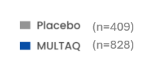
Primary endpoint: First documented recurrence of AFib/AFL, defined as an episode lasting for ≥10 minutes, and confirmed by 2 consecutive ECG recordings taken 10 minutes apart on ECG or transtelephonic monitoring, within the 12-month period.2
The majority of first AFib recurrences were symptomatic.2
Patients on MULTAQ remained in sinus rhythm 2.2x LONGER than patients on placebo2

62.3% of patients were AFib-symptom free with MULTAQ at 1 year2
Patients freed from symptomatic AFib at Year 12
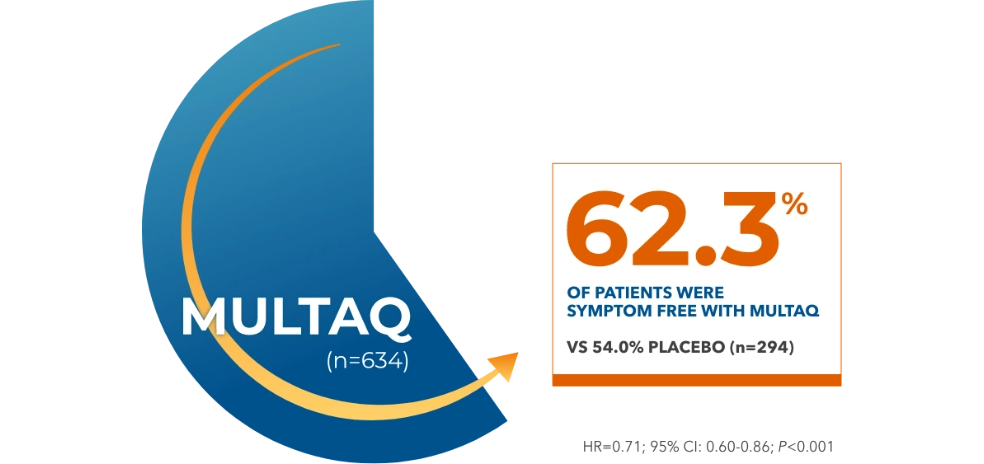
This preplanned analysis (N=928) was an assessment of the primary endpoint data that excluded patients who discontinued treatment or experienced recurrence of atrial fibrillation before reaching 5 days of study drug exposure.2
Recurrence of AFib symptoms was defined as AFib symptoms during recordings of 12-lead ECG or transtelephonic monitoring and included 1 or more of the following symptom(s): palpitations, dizziness, fatigue, chest pain, and/or dyspnea.2
Recurrence of AFib symptoms in recently cardioverted patients (post hoc analysis)3
Secondary endpoint of a post hoc analysis:
Median time to first recurrence of AFib symptoms (N=364)3,*
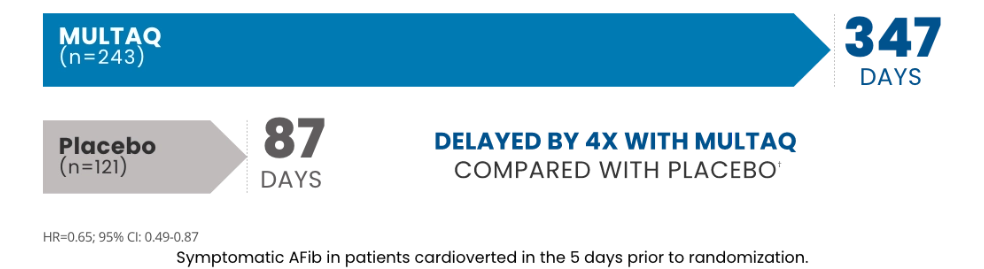
The median time to first symptomatic AFib recurrence in the non-cardioverted group was 288 days with MULTAQ and 120 days with placebo (HR=0.74; 95% CI: 0.62-0.90).3,‡
The median time to documented adjudicated AFib recurrence in the cardioverted group was 50 days with MULTAQ vs 15 days with placebo (HR=0.76; 95% CI: 0.59-0.97) and in the non-cardioverted group was 150 days with MULTAQ vs 77 days with placebo (HR=0.76; 95% CI: 0.64-0.90).3
*Recurrence of AFib symptoms was defined as AFib symptoms during recordings of 12-lead ECG or transtelephonic monitoring and included 1 or more of the following symptom(s): palpitations, dizziness, fatigue, chest pain, and/or dyspnea.3
†Patients had to be in normal sinus rhythm to be eligible for the trial. This patient group was in sinus rhythm after undergoing cardioversion in the 5 days before initiating MULTAQ.3
‡Documented AFib recurrence was confirmed by 2 consecutive 12-lead ECG or transtelephonic monitoring recordings taken at least 10 minutes apart.
EURIDIS/ADONIS Post Hoc Analysis
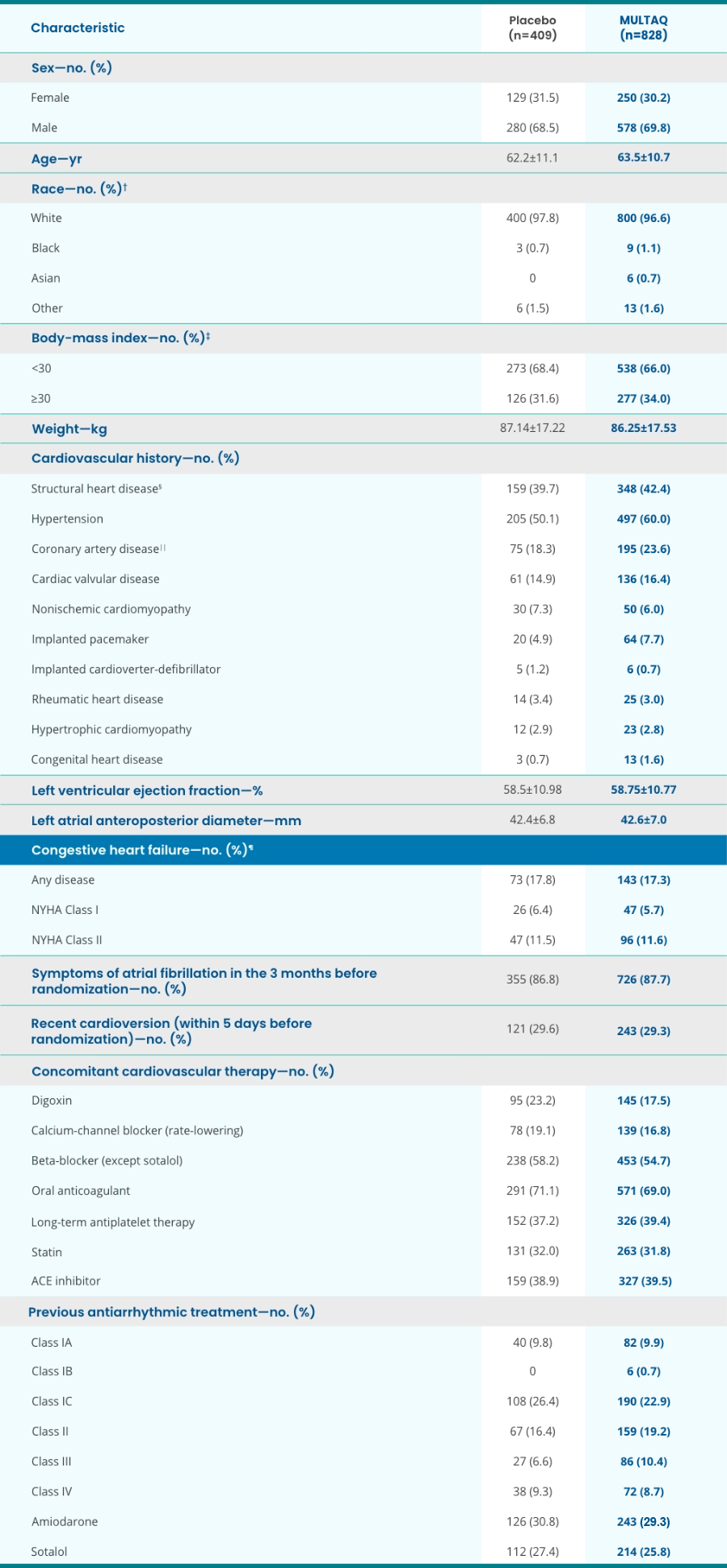
This post hoc analysis of EURIDIS/ADONIS studies evaluated treatment outcomes by baseline cardioversion status. Of the 1237 patients in the EURIDIS/ADONIS studies, 364 patients received cardioversion at study entry (MULTAQ: 243; placebo: 121) and 873 patients did not (MULTAQ: 585; placebo: 288).2,3
Study limitations3
- Study considered exploratory
- Study not powered to evaluate efficacy and safety by cardioversion status
- Lack of multivariate analyses to identify factors associated with AFib/AFL
- Lack of characterization of AFib/AFL patient types
Significantly reduced risk of first AFib recurrence at 1 year1,2
Primary endpoint: Time to first AFib recurrence (N=1237)2
Primary endpoint: First documented recurrence of AFib/AFL, defined as an episode lasting for ≥10 minutes, and confirmed by 2 consecutive ECG recordings taken 10 minutes apart on ECG or transtelephonic monitoring, within the 12-month period.2
The majority of first AFib recurrences were symptomatic.2
Patients on MULTAQ remained in sinus rhythm 2.2x LONGER than patients on placebo2
62.3% of patients were AFib-symptom free with MULTAQ at 1 year2
Patients freed from symptomatic AFib at Year 12
This preplanned analysis (N=928) was an assessment of the primary endpoint data that excluded patients who discontinued treatment or experienced recurrence of atrial fibrillation before reaching 5 days of study drug exposure.2
Recurrence of AFib symptoms was defined as AFib symptoms during recordings of 12-lead ECG or transtelephonic monitoring and included 1 or more of the following symptom(s): palpitations, dizziness, fatigue, chest pain, and/or dyspnea.2
Recurrence of AFib symptoms in recently cardioverted patients (post hoc analysis)3
Secondary endpoint of a post hoc analysis:
Median time to first recurrence of AFib symptoms (N=364)3,*
The median time to first symptomatic AFib recurrence in the non-cardioverted group was 288 days with MULTAQ and 120 days with placebo (HR=0.74; 95% CI: 0.62-0.90).3,‡
The median time to documented adjudicated AFib recurrence in the cardioverted group was 50 days with MULTAQ vs 15 days with placebo (HR=0.76; 95% CI: 0.59-0.97) and in the non-cardioverted group was 150 days with MULTAQ vs 77 days with placebo (HR=0.76; 95% CI: 0.64-0.90).3
*Recurrence of AFib symptoms was defined as AFib symptoms during recordings of 12-lead ECG or transtelephonic monitoring and included 1 or more of the following symptom(s): palpitations, dizziness, fatigue, chest pain, and/or dyspnea.3
†Patients had to be in normal sinus rhythm to be eligible for the trial. This patient group was in sinus rhythm after undergoing cardioversion in the 5 days before initiating MULTAQ.3
‡Documented AFib recurrence was confirmed by 2 consecutive 12-lead ECG or transtelephonic monitoring recordings taken at least 10 minutes apart.
EURIDIS/ADONIS Post Hoc Analysis
This post hoc analysis of EURIDIS/ADONIS studies evaluated treatment outcomes by baseline cardioversion status. Of the 1237 patients in the EURIDIS/ADONIS studies, 364 patients received cardioversion at study entry (MULTAQ: 243; placebo: 121) and 873 patients did not (MULTAQ: 585; placebo: 288).2,3
Study limitations3
- Study considered exploratory
- Study not powered to evaluate efficacy and safety by cardioversion status
- Lack of multivariate analyses to identify factors associated with AFib/AFL
- Lack of characterization of AFib/AFL patient types
.2025-12-16-09-52-36.svg)
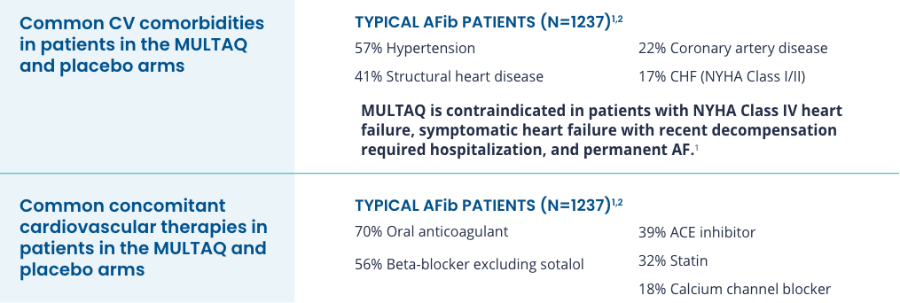

AAD=antiarrhythmic drug; ADONIS=American–Australian–African Trial With Dronedarone in Patients With Atrial Fibrillation or Atrial Flutter Patients for the Maintenance of Sinus Rhythm; AE=adverse event; AFib=atrial fibrillation; AFL=atrial flutter; ATHENA=A Placebo-Controlled, Double-Blind, Parallel Arm Trial to Assess the Efficacy of Dronedarone 400 mg bid for the Prevention of Cardiovascular Hospitalization or Death From Any Cause in Patients With Atrial Fibrillation/Atrial Flutter; CAD=coronary artery disease; CI=confidence interval; CV=cardiovascular; ECG=electrocardiogram; EURIDIS=European Trial in Atrial Fibrillation or Flutter Patients Receiving Dronedarone for the Maintenance of Sinus Rhythm; HFpEF=heart failure with preserved ejection fraction; HR=hazard ratio; RRR=relative risk reduction; TEAE=treatment-emergent adverse event.
References:
1. MULTAQ [package insert]. Morristown, NJ. Sanofi.
2. Singh BN, Connolly SJ, Crijns HJ, et al. Dronedarone for maintenance of sinus rhythm in atrial fibrillation or flutter. N Engl J Med. 2007;357(10):987-999.
3. Thind M, Crijns HJ, Naccarelli GV, et al. Dronedarone treatment following cardioversion in patients with atrial fibrillation/flutter: a post hoc analysis of the EURIDIS and ADONIS trials. J Cardiovasc Electrophysiol. 2020;31(5):1022-1030.
