
.2025-02-19-14-39-47.svg)
Significant risk reduction in CV hospitalization or death from any cause1
Primary composite endpoint
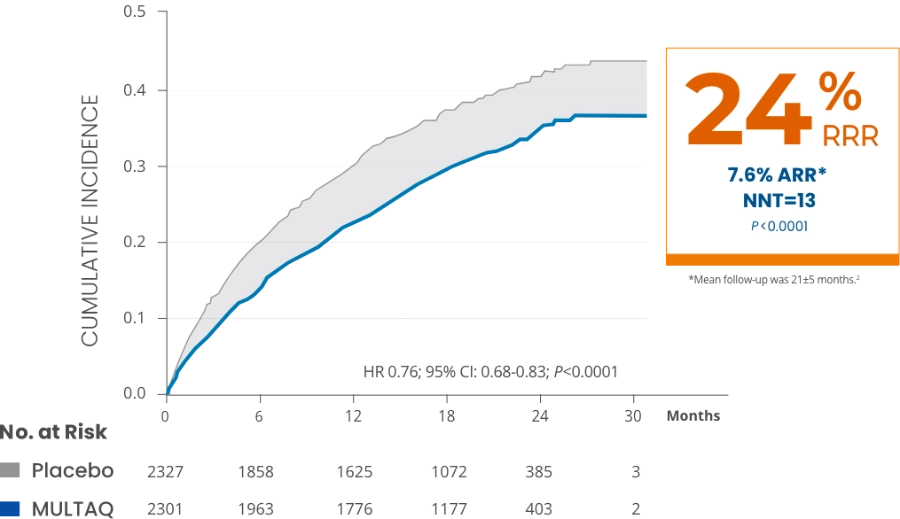
Time to first CV hospitalization or death from any cause Placebo and Multaq1
.2025-10-20-08-31-06.svg)
Relative risk reduction in the primary composite endpoint was entirely attributable to reduction in CV hospitalization, principally hospitalization related to AFib.
Rates of the primary composite endpoint of CV hospitalization or death from any cause were 31.6% with MULTAQ vs 39.2% with placebo.
MULTAQ reduces the risk of AFib hospitalization with a 39% RRR1
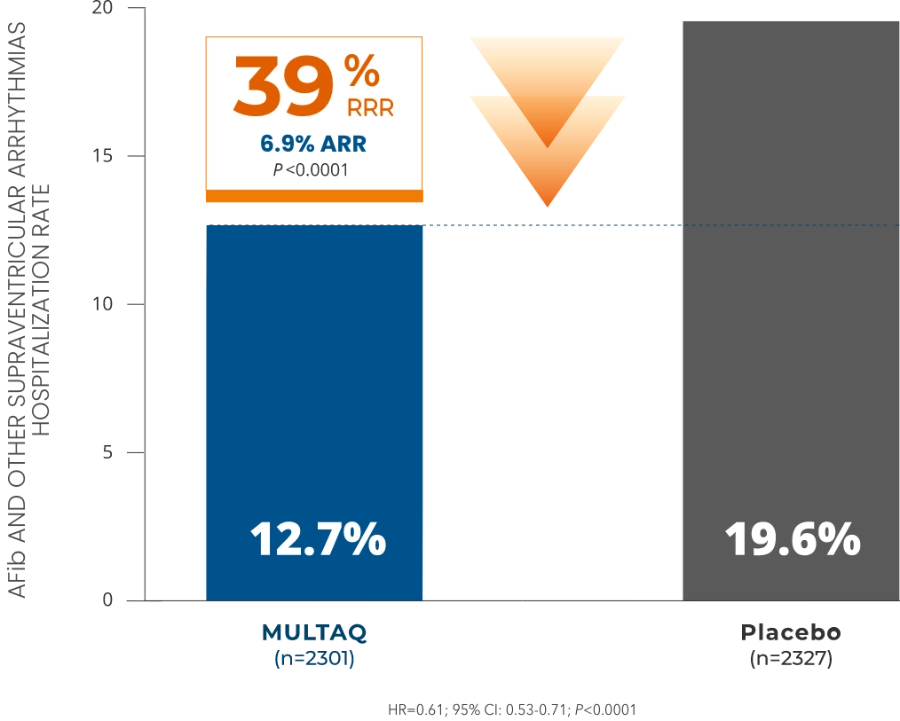
39% RRR in hospitalization due to AFib and other supraventricular arrhythmias.1,*
CV hospitalization rates were 29.1% with MULTAQ vs 36.8% with placebo (HR=0.74; 95% CI: 0.67-0.82; P<0.0001).1
*Hospitalization due to AFib and other supraventricular rhythm disorders was a component of the secondary endpoint of CV hospitalization.1
CV hospitalization in AFib + CAD (post hoc)
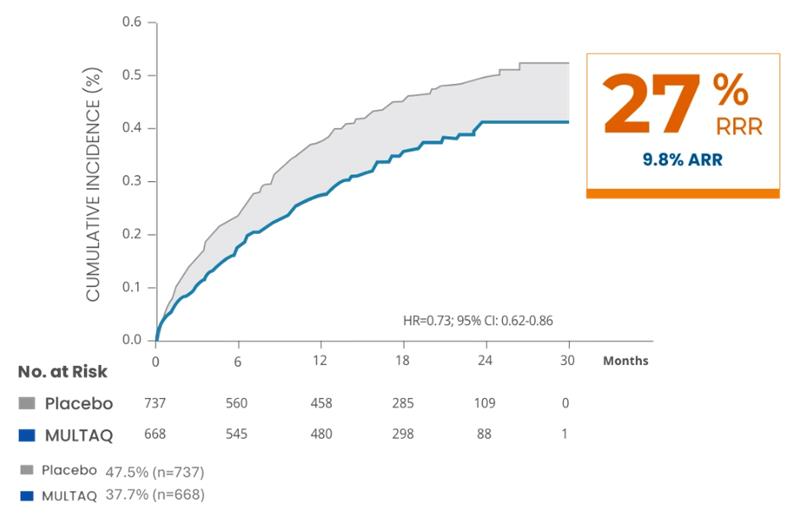
ATHENA post hoc analysis primary composite endpoint:
Time to first CV hospitalization or death from any cause in patients with
AFib + CAD (n=1405)2,3
Study limitations3
- Post hoc analysis where potential bias could be introduced, given that patients were randomized based on CAD status. The analysis was retrospective, exploratory, and based on a much smaller population than the full randomized population in the ATHENA trial
- In patients who had a history of CAD, patients receiving MULTAQ had similar rates of any TEAEs and serious TEAEs as patients receiving placebo, but had significantly higher rates of bradycardia, QT interval prolongation, gastrointestinal events, and increases in serum creatinine
ATHENA Post Hoc Analysis
AFib + CAD
Results in the primary composite endpoint were consistent in patients with or without CAD (MULTAQ: 482/1663 or 29.52%; placebo: 567/1590 or 35.66%).3
This post hoc analysis assessed safety and cardiovascular outcomes of MULTAQ in a total of 1405 patients with CAD from the ATHENA study.3
CAD was defined as a documented history of either ischemic dilated cardiomyopathy, evidenced by clinically significant left ventricular dilatation secondary to CAD, or CAD, which was defined as acute myocardial infarction and/or the following: significant (≥70%) coronary artery stenosis, history of revascularization procedure (percutaneous transluminal coronary angioplasty, stent implantation in a coronary artery, coronary artery bypass grafting, etc), positive exercise test, and positive nuclear scan of cardiac perfusion.3
Significant risk reduction in CV hospitalization or death from any cause1
Primary composite endpoint
Time to first CV hospitalization or death from any cause Placebo and Multaq1
Relative risk reduction in the primary composite endpoint was entirely attributable to reduction in CV hospitalization, principally hospitalization related to AFib.
Rates of the primary composite endpoint of CV hospitalization or death from any cause were 31.6% with MULTAQ vs 39.2% with placebo.
MULTAQ reduces the risk of AFib hospitalization with a 39% RRR1
39% RRR in hospitalization due to AFib and other supraventricular arrhythmias.1,*
CV hospitalization rates were 29.1% with MULTAQ vs 36.8% with placebo (HR=0.74; 95% CI: 0.67-0.82; P<0.0001).1
*Hospitalization due to AFib and other supraventricular rhythm disorders was a component of the secondary endpoint of CV hospitalization.1
CV hospitalization in AFib + CAD (post hoc)
ATHENA post hoc analysis primary composite endpoint:
Time to first CV hospitalization or death from any cause in patients with
AFib + CAD (n=1405)2,3
Study limitations3
- Post hoc analysis where potential bias could be introduced, given that patients were randomized based on CAD status. The analysis was retrospective, exploratory, and based on a much smaller population than the full randomized population in the ATHENA trial
- In patients who had a history of CAD, patients receiving MULTAQ had similar rates of any TEAEs and serious TEAEs as patients receiving placebo, but had significantly higher rates of bradycardia, QT interval prolongation, gastrointestinal events, and increases in serum creatinine
ATHENA Post Hoc Analysis
AFib + CAD
Results in the primary composite endpoint were consistent in patients with or without CAD (MULTAQ: 482/1663 or 29.52%; placebo: 567/1590 or 35.66%).3
This post hoc analysis assessed safety and cardiovascular outcomes of MULTAQ in a total of 1405 patients with CAD from the ATHENA study.3
CAD was defined as a documented history of either ischemic dilated cardiomyopathy, evidenced by clinically significant left ventricular dilatation secondary to CAD, or CAD, which was defined as acute myocardial infarction and/or the following: significant (≥70%) coronary artery stenosis, history of revascularization procedure (percutaneous transluminal coronary angioplasty, stent implantation in a coronary artery, coronary artery bypass grafting, etc), positive exercise test, and positive nuclear scan of cardiac perfusion.3

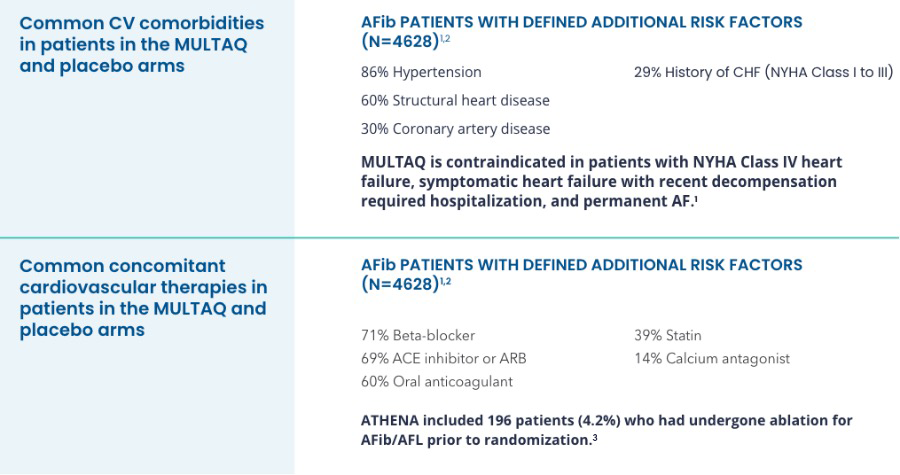

AAD=antiarrhythmic drug; ADONIS=American–Australian–African Trial With Dronedarone in Patients With Atrial Fibrillation or Atrial Flutter Patients for the Maintenance of Sinus Rhythm; AE=adverse event; AFib=atrial fibrillation; AFL=atrial flutter; ATHENA=A Placebo-Controlled, Double-Blind, Parallel Arm Trial to Assess the Efficacy of Dronedarone 400 mg bid for the Prevention of Cardiovascular Hospitalization or Death From Any Cause in Patients With Atrial Fibrillation/Atrial Flutter; CAD=coronary artery disease; CI=confidence interval; CV=cardiovascular; ECG=electrocardiogram; EURIDIS=European Trial in Atrial Fibrillation or Flutter Patients Receiving Dronedarone for the Maintenance of Sinus Rhythm; HFpEF=heart failure with preserved ejection fraction; HR=hazard ratio; RRR=relative risk reduction; TEAE=treatment-emergent adverse event.
References:
1. MULTAQ [package insert]. Morristown, NJ. Sanofi.
2. Hohnloser SH, Crijns HJ, van Eickels M, et al. Effect of dronedarone on cardiovascular events in atrial fibrillation. N Engl J Med. 2009;360(7):668-678.
3. Vamos M, Calkins H, Kowey PR, et al. Efficacy and safety of dronedarone in patients with a prior ablation for atrial fibrillation/flutter: Insights from the ATHENA study. Clin Cardiol. 2020;43(3):291-297.
