.2025-08-27-15-36-02.svg)
In the LixiLan-L Pivotal Trial,
SOLIQUA 100/33 demonstrated ~2x greater A1C reductions vs Lantus®1,2
1.1% mean reduction from baseline for SOLIQUA 100/33 vs 0.6% for Lantus. Consider other antidiabetic therapies in patients with a history of pancreatitis.1
The most common adverse events were nausea, nasopharyngitis, headache, diarrhea, vomiting, and upper respiratory tract infection.1
Study Design: A randomized, 30-week, open-label, multicenter study of adult patients with T2DM was conducted to evaluate the efficacy and safety of SOLIQUA 100/33 (n=365) or Lantus (n=365). Metformin was continued if previously taken and any other OADs were discontinued. The primary endpoint was change from baseline A1C at Week 30. The maximum allowable insulin glargine dose was 60 Units for both treatment groups. The trial was designed to show the contribution of the GLP-1 RA component to glycemic lowering, and the insulin glargine dose and dosing algorithm were selected in order to isolate the effect of the GLP-1 RA component.1,2
Analysis limitations: The difference in effect observed in the trial may not necessarily reflect the effect that will be observed in the care setting where alternative insulin glargine dosages can be used.1
-svg.2025-02-14-13-05-47.png)
Not actual patient or profile. Individual results may vary.
Claire, 77
Retired
Current treatment
- Metformin 1000 mg BID
- Lantus® U-100, 30 Units QD
- Humalog® U-100, 7 Units TID
- Lisinopril 20 mg QD
- Atorvastatin 10 mg QD
SoliComplex Real-World Observational Analysis
SoliComplex Study Design and Limitations3
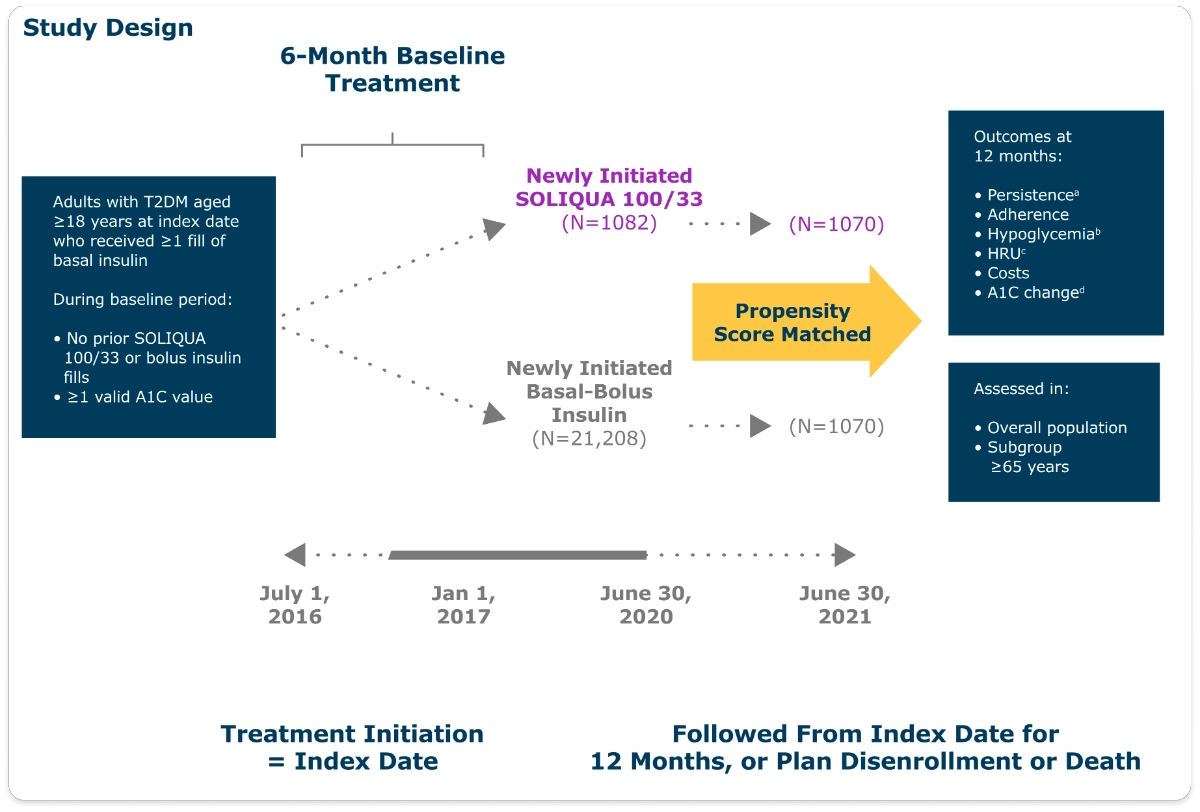
Limitations:
- Hypothesis-generating and has inherent limitations as it was not prespecified.
- Not powered to determine causal relationships between variables and endpoints; evaluates association only.
- Based on a retrospective chart review, which can have the potential for selection bias.
- Based on a persistency assessment that did not account for titration, hospitalization, or other sources of insulin (e.g., samples) that can cause a delay in filling prescriptions.
aPrimary outcome (statistical analysis was prespecified for the primary outcome [treatment persistence; overall population] only). All other endpoints were secondary.3
bLaboratory defined; using one count per person per day.3
cED visits and hospitalizations.3
dFor inclusion in the A1C analysis participants had to have a valid baseline and a follow-up A1C value at 12 months; therefore, this analysis was conducted in a small proportion of the overall population.3
SoliComplex Real-World Observational Analysis
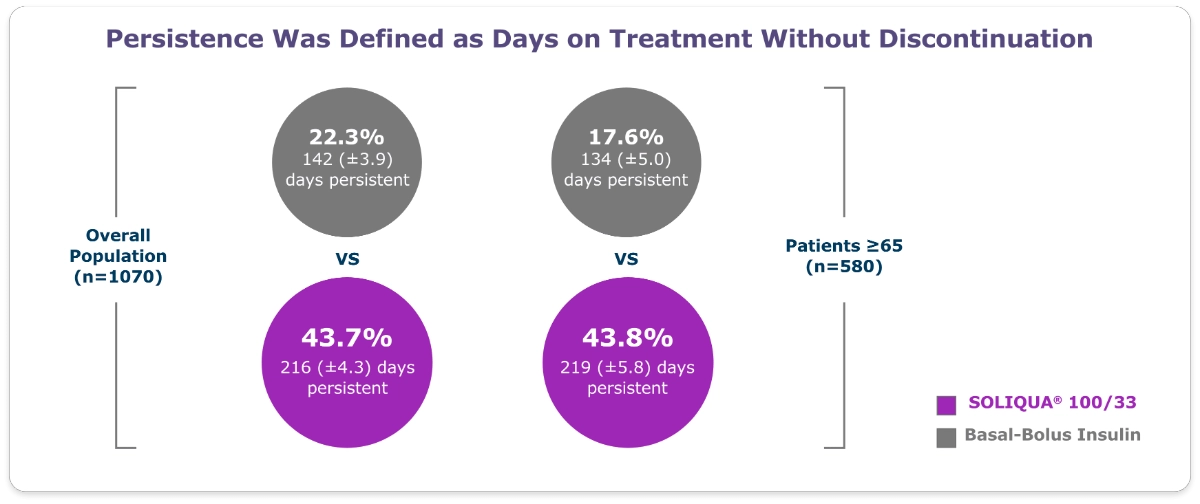
Adults With T2DM Were 2x More Persistent Taking SOLIQUA 100/33 vs Basal-Bolus Insulin3
SoliComplex Real-World Observational Analysis
Reduced Rates of Hypoglycemia Were Observed in Adults With T2DM Taking SOLIQUA 100/33 vs Basal-Bolus Insulin3
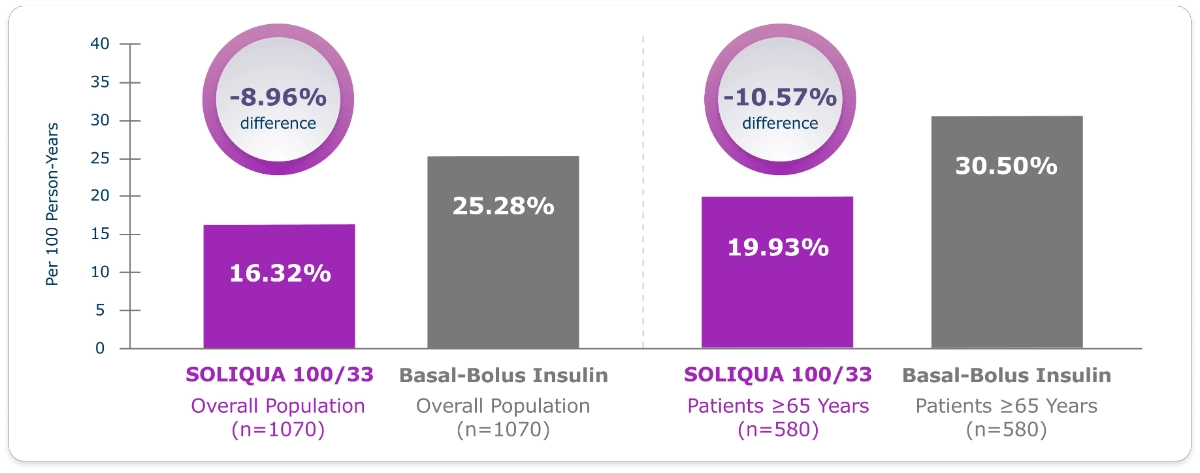
Hypoglycemia is the most common adverse event with insulin-containing therapy.1 |
- Hypoglycemia events were defined by either ICD-10-CM codes or by laboratory results with a blood glucose level <70 mg/dL.3
SoliComplex Real-World Observational Analysis
Adults With T2DM Were 2x More Persistent Taking SOLIQUA 100/33 vs Basal-Bolus Insulin3
SoliComplex Real-World Observational Analysis
Reduced Rates of Hypoglycemia Were Observed in Adults With T2DM Taking SOLIQUA 100/33 vs Basal-Bolus Insulin3
Hypoglycemia is the most common adverse event with insulin-containing therapy.1 |
- Hypoglycemia events were defined by either ICD-10-CM codes or by laboratory results with a blood glucose level <70 mg/dL.3
Important Safety Information
Abbreviations: A1C, glycated hemoglobin; BID, twice per day; BMI, body mass index; CGM, continuous glucose monitor; FPG, fasting plasma glucose; GLP-1, glucagon-like peptide-1; OAD, oral antidiabetic drug; PPG, post-prandial glucose; QD, daily; QHS, every night at bedtime; RA, receptor agonist; SMPG, self-monitored plasma glucose; T2DM, type 2 diabetes mellitus.
References:
- SOLIQUA 100/33 Prescribing Information.
- Data on File CSR 12405. Sanofi US.
- Pantalone KM, Heller C, Lajara R, et al. Initiation of iGlarLixi Versus Basal-Bolus Insulin in Adults With Type 2 Diabetes Advancing From Basal Insulin Therapy: The SoliComplex Real-World Study. Diabetes Spectr. 2023;36(3):253-263.
