.2025-08-27-15-36-02.svg)
LixiLan-O Study Design and Limitations including Post Hoc subgroup analysis1
-
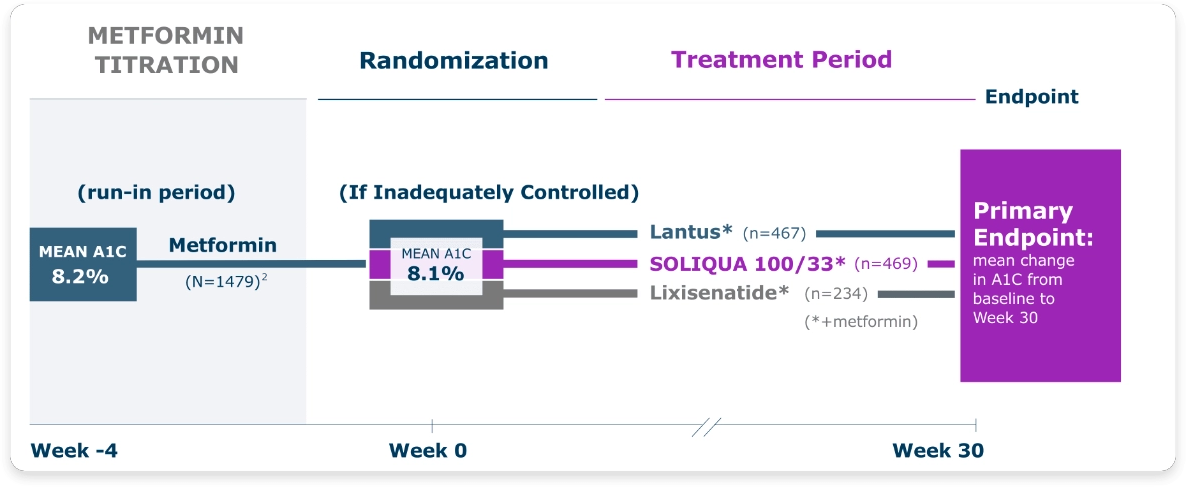
Eligible patients (N=1479) were enrolled in a 4-week run-in period, during which they stopped taking any second OAD, and titrated metformin to ≥2000 mg/dL or maximum tolerated dose (≥1500 mg/dL).2
-
Patients inadequately controlled at the end of the run-in period (N=1170) were randomized to either SOLIQUA 100/33 (n=469), Lantus (n=467), or lixisenatide (n=234) with metformin.2
- Criteria for randomization2:
- A1C between 7% and 10%.
- FPG ≤250 mg/dL.
- The maximum allowable insulin glargine dose was 60 Units for both the SOLIQUA 100/33 and Lantus treatment groups.1
Post Hoc Analysis Description: In this post hoc subgroup analysis of LixiLan-O patients ≥65, efficacy endpoints were changes from baseline in A1C, FPG, and PPG; the proportion of patients achieving A1C goal; and change in body weight. Safety measures assessed were the incidence of documented symptomatic hypoglycemia or severe hypoglycemia and the incidence of gastrointestinal adverse events.3
Post Hoc Analysis Limitations: This study was not designed or powered to detect differences between treatments within this subgroup. The difference in effect observed in this subgroup analysis may not necessarily be reflected in the care setting where alternative insulin glargine dosage can be used.1,3
LixiLan-O Pivotal Data
SOLIQUA 100/33 Significantly Reduced A1C Over 30 Weeks1,2
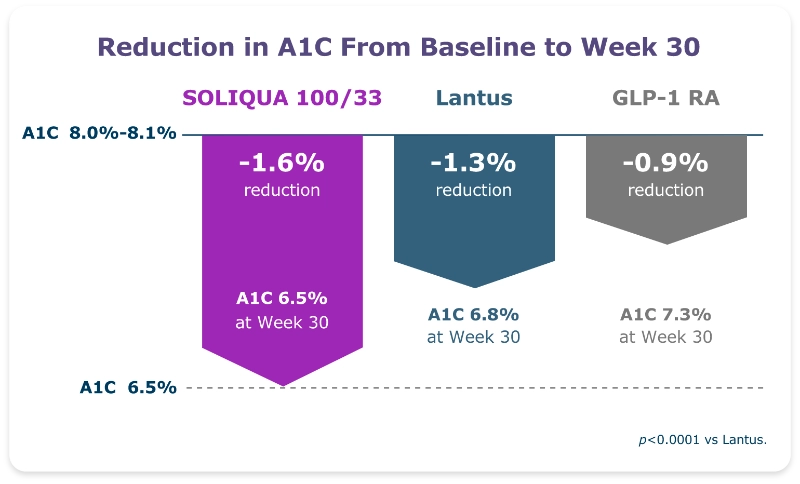
The difference in effect observed in the trial may not necessarily reflect the effect that will be observed in the care setting where alternative insulin glargine dosage can be used.1
-
74% of patients got to ADA goal (<7%) with SOLIQUA 100/33.1
- 33% of GLP-1 RA (lixisenatide) patients and 59% of Lantus patients got to goal.1

Not actual patient or profile. Individual results may vary.
Otto, 67
Retired
Current treatment
- Metformin 1000 mg BID
- Dapagliflozin 10 mg QD
- Lisinopril 20 mg QD
- Atorvastatin 10 mg QD
LixiLan-O Pivotal Study
LixiLan-O Post Hoc Subgroup Analysis
Greater A1C Reductions Were Observed With SOLIQUA 100/33 in Older Adults (≥65) With T2DM vs Lantus or a GLP-1 RA3
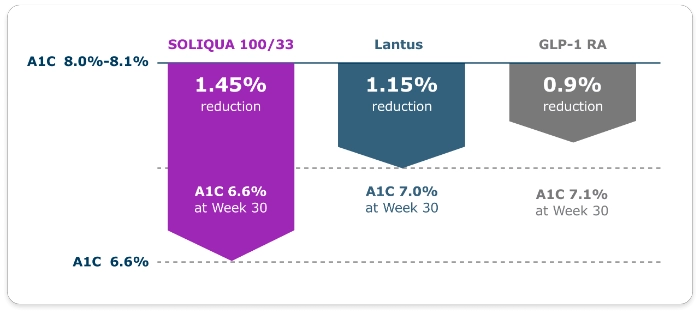
This study was not designed or powered to detect differences between treatments within this subgroup. The difference in effect observed in this subgroup analysis may not necessarily reflect the effect that will be observed in the care setting where alternative insulin glargine dosage can be used.1,3
LixiLan-O Post Hoc Subgroup Analysis
SOLIQUA 100/33 Was Up to 2x More Likely to Help Older Adults (≥65) With T2DM Reach Goal Than Lantus or a GLP-1 RA Alone3
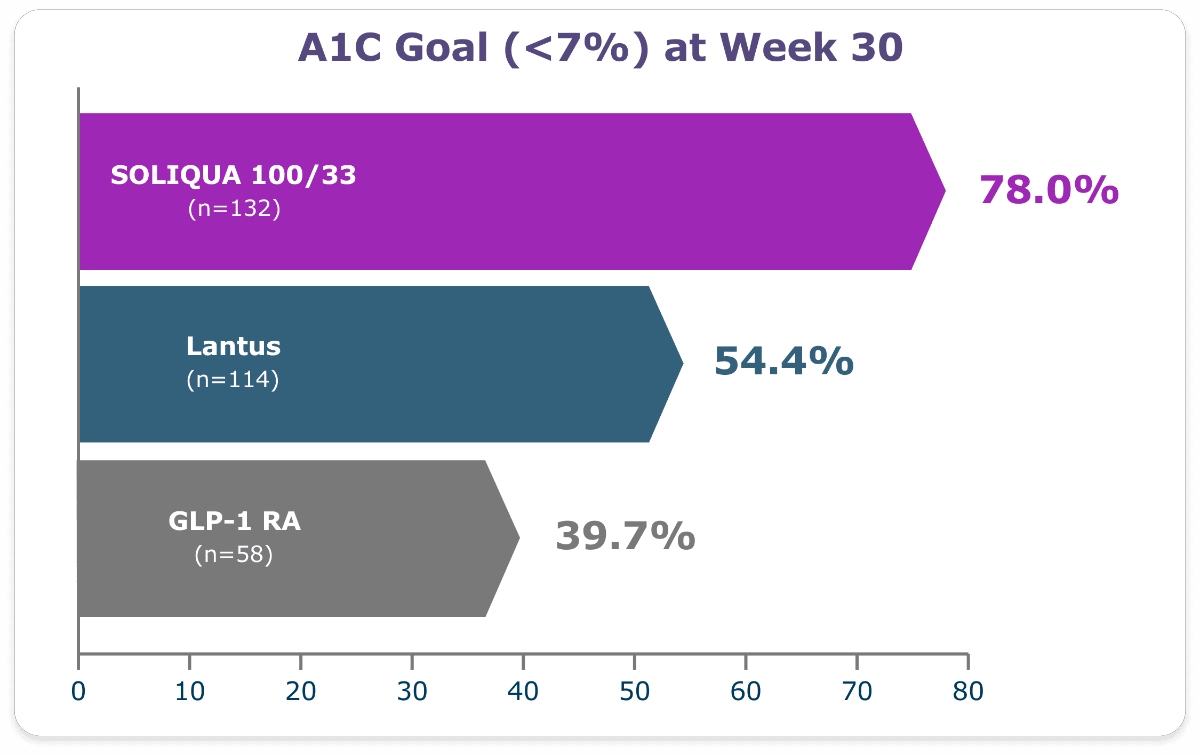
| ~1.4x and ~2x more patients reached goal with SOLIQUA 100/33 vs Lantus and GLP-1 RA, respectively.1,3 |
This study was not designed or powered to detect differences between treatments within this subgroup. The difference in effect observed in this subgroup analysis may not necessarily reflect the effect that will be observed in the care setting where alternative insulin glargine dosage can be used.1,3
LixiLan-O Post Hoc Subgroup Analysis
SOLIQUA 100/33 More Effectively Lowered PPG Levels vs Lantus or a GLP-1 RA in Older Adults With T2DM3
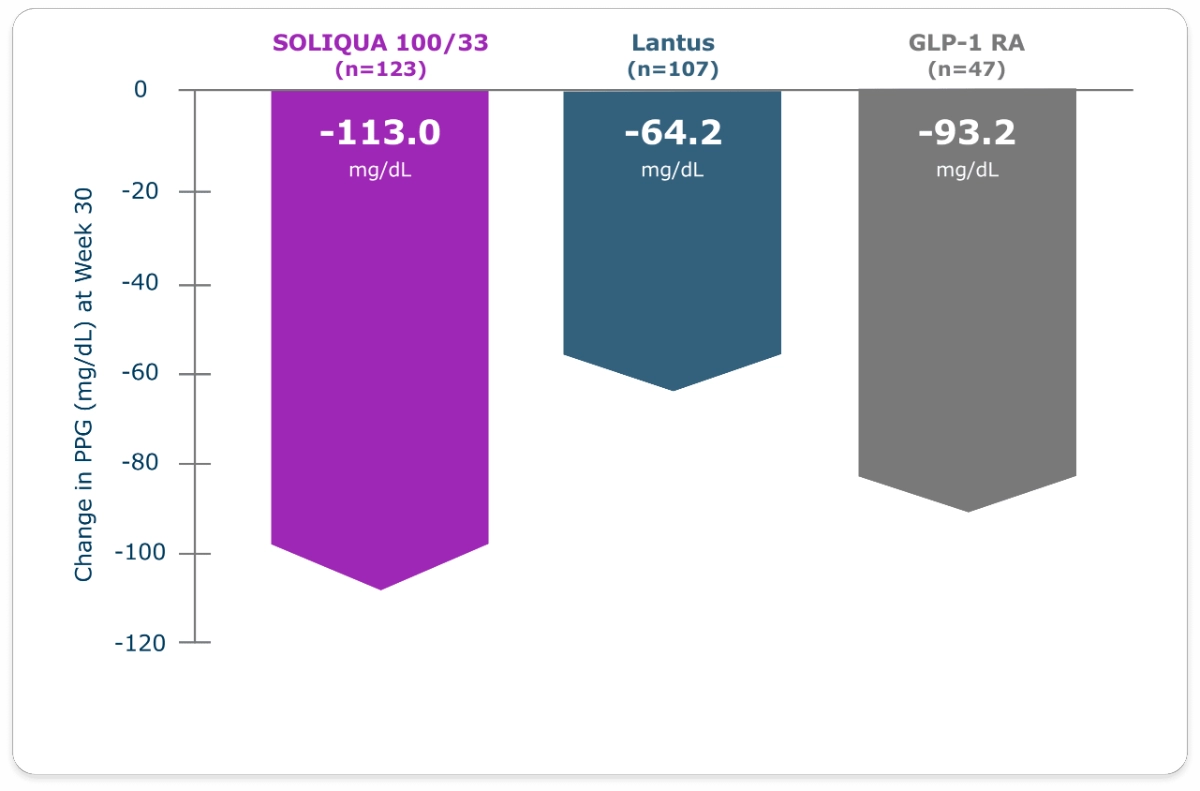
| ~1.2x and ~2x improvement with SOLIQUA vs GLP-1 RA and Lantus, respectively.1,3 |
This study was not designed or powered to detect differences between treatments within this subgroup. The difference in effect observed in this subgroup analysis may not necessarily reflect the effect that will be observed in the care setting where alternative insulin glargine dosage can be used.1,3
LixiLan-O Post Hoc Subgroup Analysis
Reduction in A1C Without Additional Weight Gain Was Observed in Older Adults (≥65) With T2DM Taking SOLIQUA 100/333
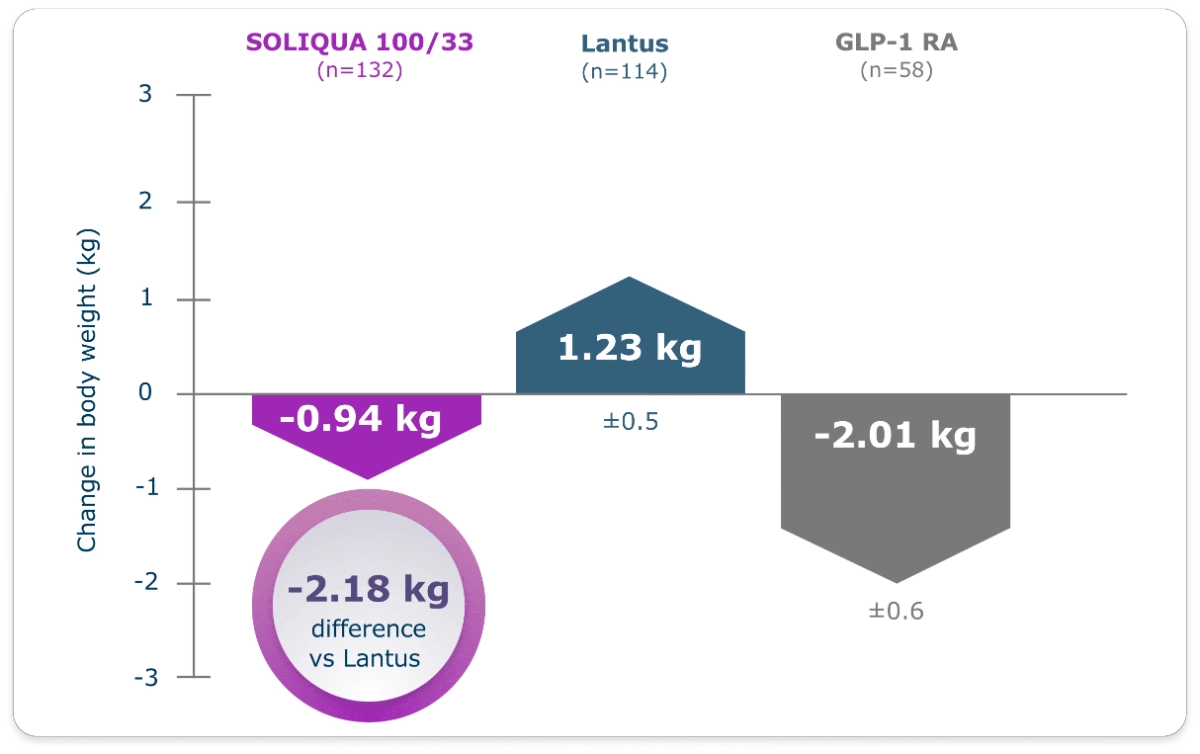
This study was not designed or powered to detect differences between treatments within this subgroup. The difference in effect observed in this subgroup analysis may not necessarily reflect the effect that will be observed in the care setting where alternative insulin glargine dosage can be used.1,3
LixiLan-O Post Hoc Subgroup Analysis
Reduced Hypoglycemic Events Were Observed in Older Adults (≥65) With T2DM3
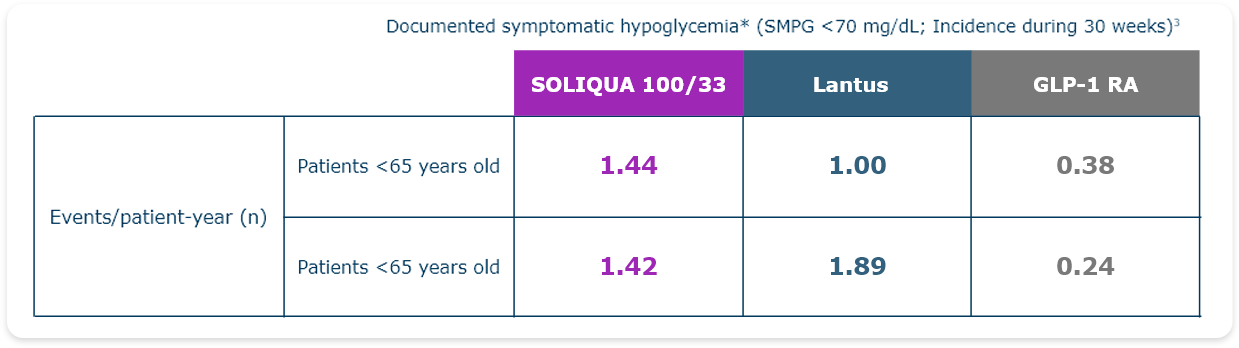
This study was not designed or powered to detect differences between treatments within this subgroup. The difference in effect observed in this subgroup analysis may not necessarily reflect the effect that will be observed in the care setting where alternative insulin glargine dosage can be used.1,3
Hypoglycemia is the most common adverse event with insulin-containing therapy.1 |
- Documented symptomatic hypoglycemia was defined as typical symptoms of hypoglycemia accompanied by an SMPG value of <70 mg/dL.1
LixiLan-O Post Hoc Subgroup Analysis
Greater A1C Reductions Were Observed With SOLIQUA 100/33 in Older Adults (≥65) With T2DM vs Lantus or a GLP-1 RA3
This study was not designed or powered to detect differences between treatments within this subgroup. The difference in effect observed in this subgroup analysis may not necessarily reflect the effect that will be observed in the care setting where alternative insulin glargine dosage can be used.1,3
LixiLan-O Post Hoc Subgroup Analysis
SOLIQUA 100/33 Was Up to 2x More Likely to Help Older Adults (≥65) With T2DM Reach Goal Than Lantus or a GLP-1 RA Alone3
| ~1.4x and ~2x more patients reached goal with SOLIQUA 100/33 vs Lantus and GLP-1 RA, respectively.1,3 |
This study was not designed or powered to detect differences between treatments within this subgroup. The difference in effect observed in this subgroup analysis may not necessarily reflect the effect that will be observed in the care setting where alternative insulin glargine dosage can be used.1,3
LixiLan-O Post Hoc Subgroup Analysis
SOLIQUA 100/33 More Effectively Lowered PPG Levels vs Lantus or a GLP-1 RA in Older Adults With T2DM3
| ~1.2x and ~2x improvement with SOLIQUA vs GLP-1 RA and Lantus, respectively.1,3 |
This study was not designed or powered to detect differences between treatments within this subgroup. The difference in effect observed in this subgroup analysis may not necessarily reflect the effect that will be observed in the care setting where alternative insulin glargine dosage can be used.1,3
LixiLan-O Post Hoc Subgroup Analysis
Reduction in A1C Without Additional Weight Gain Was Observed in Older Adults (≥65) With T2DM Taking SOLIQUA 100/333
This study was not designed or powered to detect differences between treatments within this subgroup. The difference in effect observed in this subgroup analysis may not necessarily reflect the effect that will be observed in the care setting where alternative insulin glargine dosage can be used.1,3
LixiLan-O Post Hoc Subgroup Analysis
Reduced Hypoglycemic Events Were Observed in Older Adults (≥65) With T2DM3
This study was not designed or powered to detect differences between treatments within this subgroup. The difference in effect observed in this subgroup analysis may not necessarily reflect the effect that will be observed in the care setting where alternative insulin glargine dosage can be used.1,3
Hypoglycemia is the most common adverse event with insulin-containing therapy.1 |
- Documented symptomatic hypoglycemia was defined as typical symptoms of hypoglycemia accompanied by an SMPG value of <70 mg/dL.1

Not actual patient or profile. Individual results may vary.
Omar, 58
Teacher and coach
Current treatment
- Metformin 1000 mg BID
- Rosuvastatin 10 mg QD
- Dapagliflozin 10 mg QD
- Olmesartan 40 mg QD
LixiLan-O Post Hoc Subgroup Analysis
A 2.9% A1C Reduction Was Observed With SOLIQUA 100/33 in Adults With A1C ≥9%4
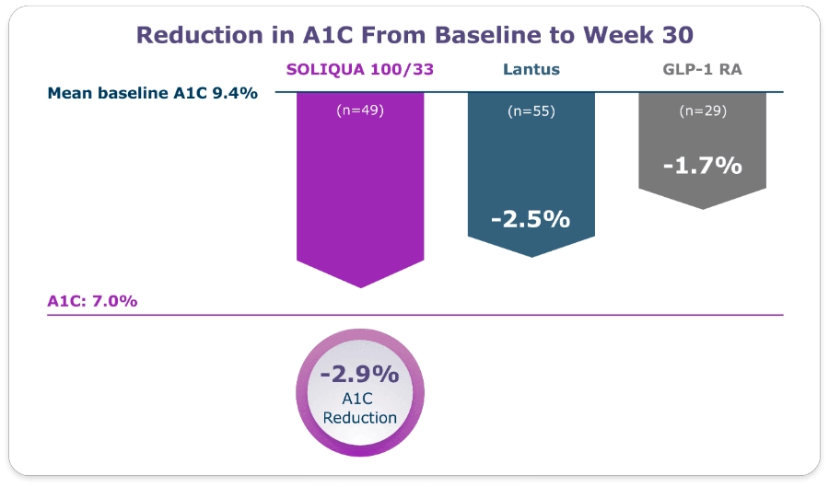
This study was not designed or powered to detect differences between treatments within this subgroup. The difference in effect observed in this subgroup analysis may not necessarily reflect the effect that will be observed in the care setting where alternative insulin glargine dosage can be used.1
LixiLan-O Post Hoc Subgroup Analysis
More Patients Who had A1C ≥9% Achieved ADA Goal (7% A1C) With SOLIQUA 100/334
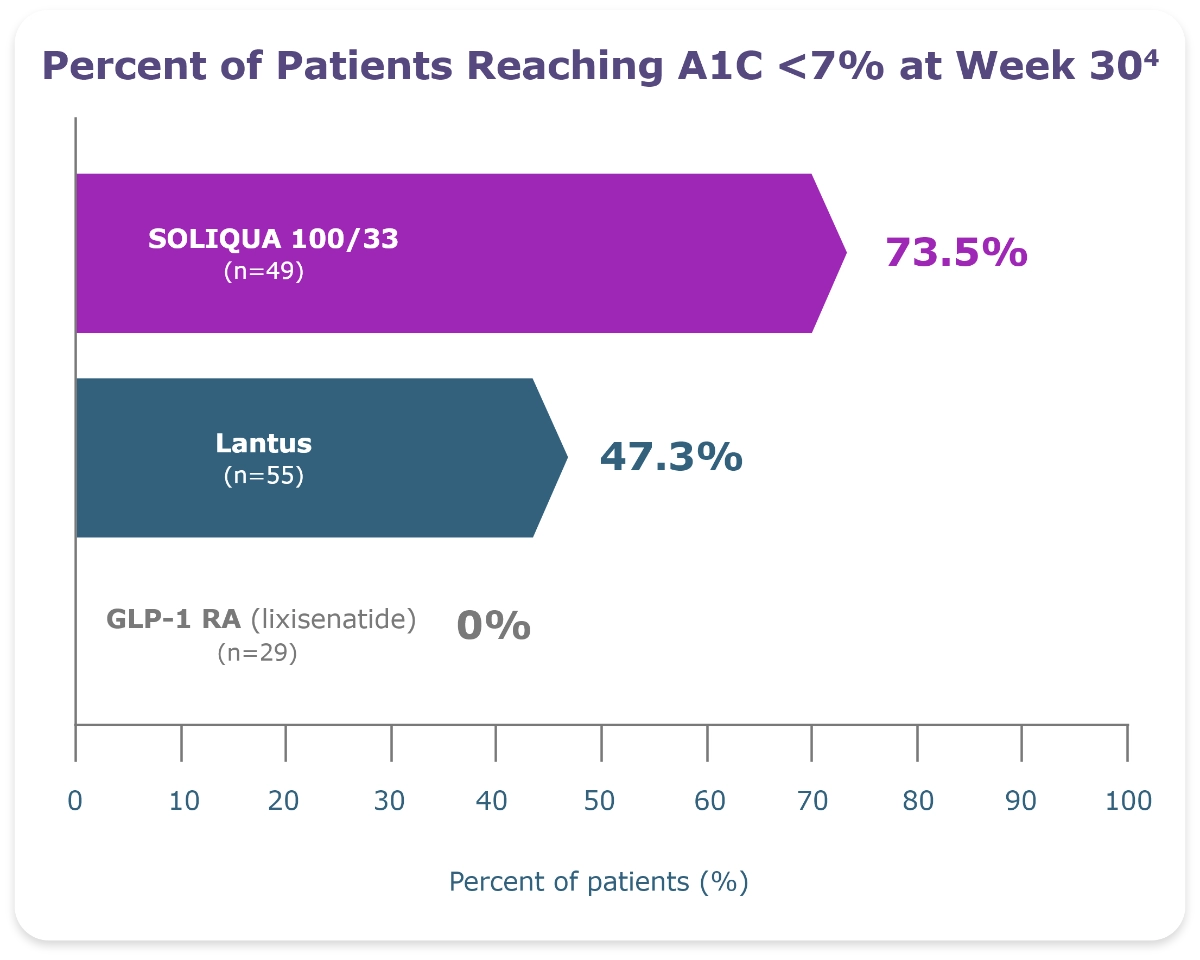
This study was not designed or powered to detect differences between treatments within this subgroup. The difference in effect observed in this subgroup analysis may not necessarily reflect the effect that will be observed in the care setting where alternative insulin glargine dosage can be used.1
LixiLan-O Post Hoc Subgroup Analysis
Patients with A1C ≥9% Taking SOLIQUA 100/33 Experienced Improved Glycemic Values Throughout the Day5
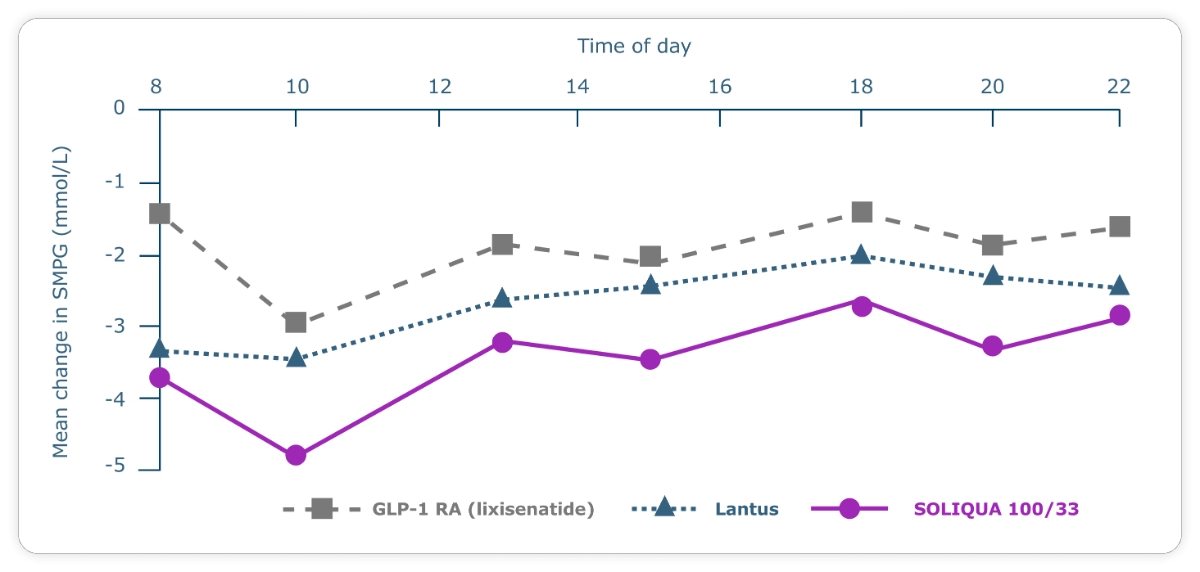
This study was not designed or powered to detect differences between treatments within this subgroup. The difference in effect observed in this subgroup analysis may not necessarily reflect the effect that will be observed in the care setting where alternative insulin glargine dosage can be used.1
LixiLan-O Post Hoc Subgroup Analysis
A 2.9% A1C Reduction Was Observed With SOLIQUA 100/33 in Adults With A1C ≥9%4
This study was not designed or powered to detect differences between treatments within this subgroup. The difference in effect observed in this subgroup analysis may not necessarily reflect the effect that will be observed in the care setting where alternative insulin glargine dosage can be used.1
LixiLan-O Post Hoc Subgroup Analysis
More Patients Who had A1C ≥9% Achieved ADA Goal (7% A1C) With SOLIQUA 100/334
This study was not designed or powered to detect differences between treatments within this subgroup. The difference in effect observed in this subgroup analysis may not necessarily reflect the effect that will be observed in the care setting where alternative insulin glargine dosage can be used.1
LixiLan-O Post Hoc Subgroup Analysis
Patients with A1C ≥9% Taking SOLIQUA 100/33 Experienced Improved Glycemic Values Throughout the Day5
This study was not designed or powered to detect differences between treatments within this subgroup. The difference in effect observed in this subgroup analysis may not necessarily reflect the effect that will be observed in the care setting where alternative insulin glargine dosage can be used.1
Important Safety Information
Abbreviations: ADA, American Diabetes Association; A1C, glycated hemoglobin; BID, twice per day; BMI, body mass index; CGM, continuous glucose monitor; FPG, fasting plasma glucose; GIP, glucose-dependent insulinotropic polypeptide; GLP-1, glucagon-like peptide-1; OAD, oral antidiabetic drug; PPG, post-prandial glucose; PPO, preferred provider organization; QD, daily; RA, receptor agonist; SMPG, self-monitored plasma glucose; T2DM, type 2 diabetes mellitus.
References:
-
SOLIQUA 100/33 Prescribing Information.
-
Data on File CSR 12404. Sanofi US.
-
Handelsman Y, Chovanes C, Dex T, et al. Efficacy and safety of insulin glargine/lixisenatide (iGlarLixi) fixed-ratio combination in older adults with type 2 diabetes. J Diabetes Complications. 2019;33(3):236-242.
-
Davies MJ, Russell-Jones D, Barber TM, et al. Glycaemic benefit of iGlarLixi in insulin-naive type 2 diabetes patients with high HbA1c or those with inadequate glycaemic control on two oral antihyperglycaemic drugs in the LixiLan-O randomized trial. Diabetes Obes Metab. 2019;21:1967-1972. doi:10.1111/dom.13791
-
Aronson R, Umpierrez G, Stager W, Kovatchev B. Insulin glargine/lixisenatide fixed-ratio combination improves glycaemic variability and control without increasing hypoglycaemia. Diabetes Obes Metab. 2019;21:726-731. doi:10.1111/dom.13580
-
American Diabetes Association Professional Practice Committee for Diabetes. 9. Pharmacologic Approaches to Glycemic Treatment: Standards of Care in Diabetes-2026. Diabetes Care. 2026;49(Supplement_1):S183-S215.
